
Tags
Badfinger, Bee Bee Sea, Bill Lloyd, Bob Jackson, Brian Bilston and the Caternary Wires, Caleb Nichols, Conspiracy of Owls, Crocodiles, Gay Skeleton Club, Lande Hekt, Mich Harrison, Mike Delevante, Oddfellows, Pet Sounds, Pete Ham, Radio Days, Radioactivity, Railcard, Richard Barone, Rob Bonfiglio, Sassyhiya, Sharp Pins, Special Friend, The Burning Hell, The Cords, The Magnetic Fields, The Midnight Callers, Tugboat Captain, US Highball, Wild Honey Records

A true miscellany is a random mix of things. Think jumble sale. By contrast, our melodic miscellany does contain consistent themes but the variety can be found in the execution. Here are a few collections where a wide variety of contributors work their magic in oh so many ways.
This long-player named Pet Sounds is not what you expect. No Beach Boys, no Brian Wilson. Instead what you get is a collection of 15 tunes, all focused on various kinds of pets. The range of styles here maps all over the indie rock scene, from the upbeat shoe-gaze of Lande Hekt’s “Lola,” to the baroque whispery pop of Railcard’s “Foxy,” to the deadpan talk-singing of The Burning Hell’s “Kings of the Animal Kingdom.” Some of what appears here is just full-on fun, like Gay Skeleton Club’s mesmerizing “2 Cats.” Late nineties indie hipsters will undoubtedly recall The Magnetic Fields’ “Fido, Your Leash is Too Long.” Tugboat Captain’s “Rufus” and Sassyhiya’s “Crayon Potato” provide a country turn while Brian Bilston and the Caternary Wires give off a Velvet Underground “The Gift” vibe on “Under a Cat” (sans the terminal ending). Despite the most tenuous of thematic links joining them together, Pet Sounds really is a solid collection. Though if I had to single out just a few cuts my personal faves trend toward the groovy guitar pop stylings of The Cords on “Bo’s New Haircut” and especially Special Friend’s “Breakfast.” I’m also drawn to the introspective “Dark Age” from Caleb Nichols and winsome “Marjorie Says” by US Highball.
Wild Honey Records Sampler 2026 gives you a snapshot of 19 different acts currently on the label. These sorts of compilations can be pretty hit and miss, often covering more stylistic ground than any one listener can withstand or offering an uneven mix in terms of the quality of the tunes themselves. But not this LP, not with this roster of talent. The songs here are strong while the collection sounds coherent stylistically without tending toward sameness. Things break out strongly with opening cut “One Day” from the wall-of-guitars bangers Radioactivity. Solid rockers Bee Bee Sea keep the amps twisted right to 11 on “Holy Money.” There’s plenty of party approved dancing numbers here, like Oddfellows’ pumping “The Burden.” Of course, my own tastes run to those selections that crank up the pop quotient on their rocking out. Radio Days offer up driving lead guitar runs and enticing hooks on “I Won’t Give Up.” Crocodiles have a more guitar-rock combo sound akin to the early 1980s new wave with “Let’s Be Strangers.” On “Three” Conspiracy of Owls even manage to dig out a neo-Merseybeat feel. I could go on and on for each tune here, the quality is that consistent over the whole record.
Pete Ham wrote or co-wrote most of Badfinger’s big hits (e.g. “No Matter What,” “Baby Blue,” and “Without You”) and left behind an amazing catalogue of both released and unreleased compositions when he died by his own hand in 1975. Just Look Inside the Cover: Songs of Pete Ham honours that legacy, bringing together an impressive roster of 21 different indie artists to re-interpret those songs. Stylistically, it’s almost as if the acts have divided his sonic territory amongst themselves, covering the different periods when Ham was composing. The opening salvo from Mike Delevante is a wonderful acoustic guitar-heavy, early 1970s version of “A Lonely Day.” Sharp Pins recreate the lush mid-1970s power pop sound on “Just How Lucky We Are.” Then Richard Barone (of the Bongos, backed here by the Midnight Callers) channels 1965 on his sixties-perfect rendition of “I’m Only Human.” The 1970s were known for a particular brand of pop polish and Rob Bonfiglio and The Parlophonics apply that liberally to “Hand in Hand” and “Makes Me Feel Good” respectively. Another strong seventies stylistic motif was a loose, almost careening rock and roll vibe and that definitely appears on Bob Jackson’s take on “Just Look Inside the Cover” and Mic Harrison’s version of “A Little Bit of Rock and Roll.” Again, we have here a collection that never misses a step, though I won’t comment on everything. But my own personal fave is Bill Lloyd’s timeless poprock rendering of “Our Song.”
It’s good to mix things up and stretch our sense of what might appeal to us. That’s where compilation albums do most of the work. If the cover caught your eye, there’s probably something inside you’ll really like and whole lot else you could stand to discover.
Photo courtesy Thomas Hawk Flikr collection.
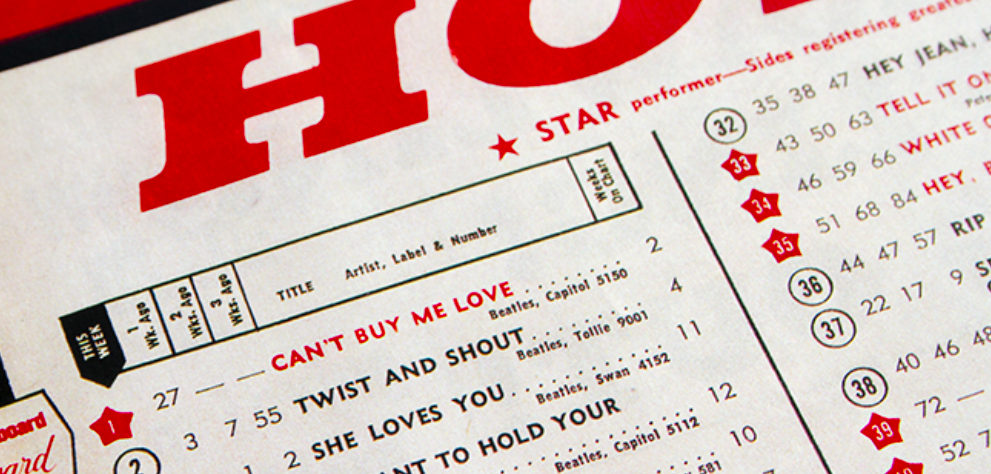 2018 was a freakin’ fantastic year for poprock! How do I know? Every year-end I put together a playlist of tunes released that year. In 2016 it consisted of 58 songs clocking in at just over 3 hours. By 2017 that list expanded to 98 songs running over 5 hours. This year the list exploded to 175 songs going on for over 9 hours! My list of should-be hit singles had to expand to a top 50 just to accommodate all this talent. Hit the links below to find each artist as featured in my original blog post this past year or to go to their bandcamp or Facebook page if I didn’t write them up.
 All the power pop blogs are talking at me. I don’t hear every word they’re saying but it’s hard not to catch the drift. They’re pretty bonkers over this crew of performers and for good reason. They pop rock! Today I play catch up on some pretty superior tune-age. What’s fun in the ever-so-slightly competitive world of blogging is seeing who puts up what and when. Early adopters are cool! But even when we post the same things – and why not? It’s all about supporting the music – it’s fun to notice how we don’t necessarily highlight the same songs. Here I’ve tried to shine a light on some different cuts from these new albums.
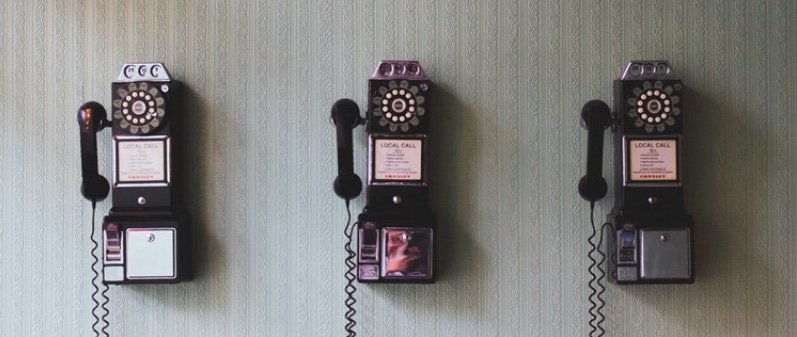 Ah, the telephone. That iconic 20th century technology is all over the rock and roll canon, mostly in its original analog form but with a few recent smartphone additions. Plenty of obvious telephone songs to choose from in terms of hits: The Marvelettes’ “Beechwood-45789,” ELO’s “Telephone Line,” Blondie’s “Call Me,” Tommy Tutone’s “867-5309,” and many, many more. There’s also a slew of less obvious yet popular niche tunes like the Nerves’ “Hanging on the Telephone,” Nick Lowe’s “Switchboard Susan,” and R.E.M.’s “Star 69.” But in this post I wanted to feature some less obvious material, either with songs that focus on key aspects of the phone experience or by lesser known but certainly deserving artists.
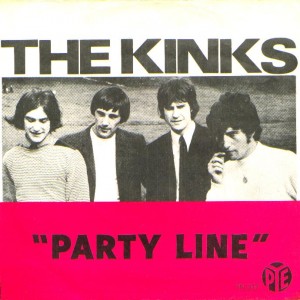 “Party Line” appeared on the Kinks’ 1966 album Face to Face and even saw release as a single in Norway (it was the B-side of “Dandy” everywhere else). Leave it to the Kinks to go right for the classed aspect of the modern phone experience, no surprise really given Ray Davies’ lyrical attention to social issues. Nearly everybody from a working class background in the 1950s and 1960s had a party line, a cheaper phone service that you had to share with other households. Like “Dead End Street” and “Picture Book” the song catalogued the not-so-hidden injuries of class in 1960s England, in this case the indignity of the singer’s failed efforts to make a private call. At one point he even mock threatens, “I’m not voting in the next election if they don’t do something about finding out who is on my party line.” One can definitely hear the cross-pollination of Kinks/Beatles reciprocal musical influences on this tune, particularly on the guitar work.
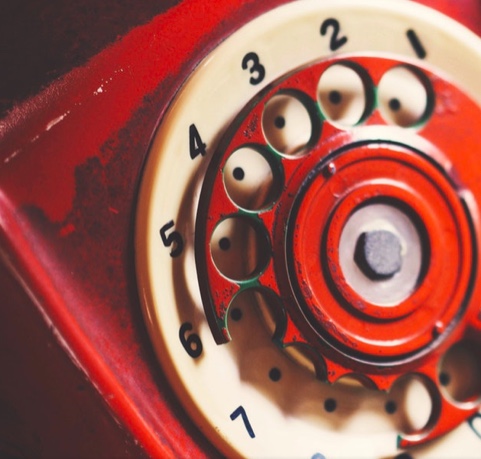 The Records debuted with a pretty great album, 1979’s Shades in Bed, featuring should-be hits like “Starry Eyes” and “Teenarama.” The record also featured “The Phone,” which opened with a classic operator voice-over announcing “I’m sorry, but that number doesn’t answer. Would you please try your number again.” The singer bemoans the phone’s ability to bring food, love and possibly danger but not necessarily connection. In contrast to such serious themes, Rupert Holmes showcases the lighter side of 1970s telephonic tunes on “Answering Machine” from his 1979 album Partners in Crime. In the late 1970s answering machines were just taking off as mass market items and Holmes’ protagonists play an early game of telephone tag with a marriage proposal and response, including the distinctive (and jarring) message-ending beep.
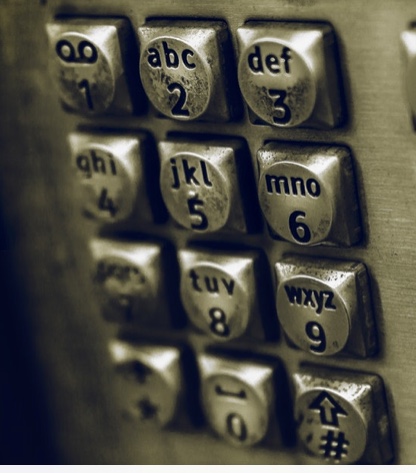 But enough of the past – there are some great recent telephone songs too. Twin Peaks kick up their heels on the rollicking “Telephone” from their 2014 album Wild Onion, a song that sounds so light but recounts love lost via the phone line. Mo Kenney also finds the phone a barrier to communication with her significant other. From Kenny’s 2014 release In My Dreams, the song has some great lines, both lyrical and melodic, and a great
