Tags
American Bees, Black Nuns, David Woodard, Electric Johnson, Freedom Fry, Halloween, Los Straightjackets, monsters, Ryan Allen, Vista Blue
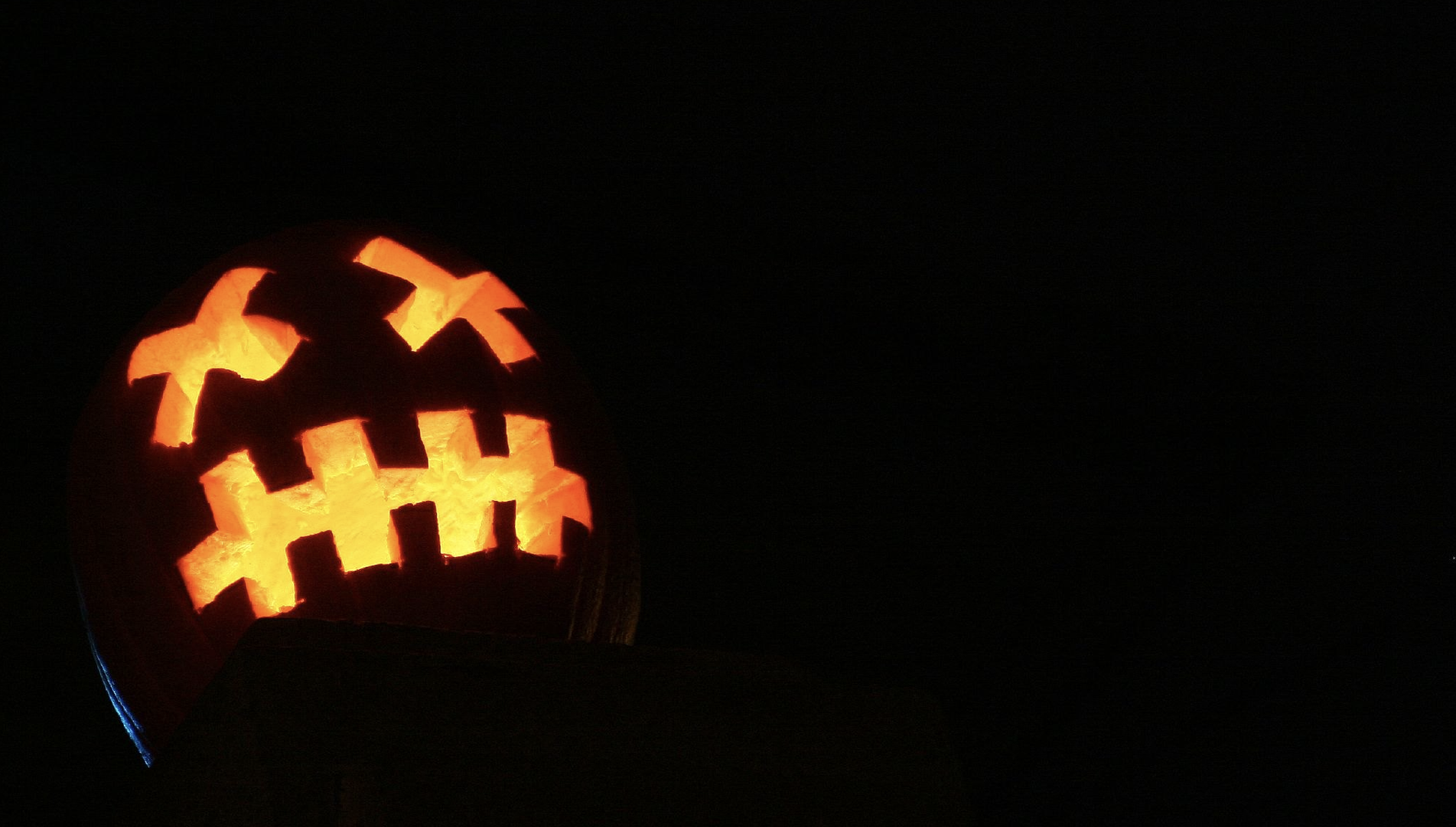
We pretend monsters only come out one night a year. But they walk amongst us. They’re inside the house for sure. After all, monstrous things are going on all the time. Halloween is just our human a way of coping. And there is candy. Now you can add great music to the festivities. Here you’ll find a treat bag of tunes to accompany the wolf’s howl and tricks from your own neighbourhood’s tiny monsters.
Let’s have the American Bees set the scene with “It was a Dark and Stormy Night” from their just released Halloween-themed album Be Afraid. The track kicks off like some old scratchy Alfred Hitchcock record before jump-starting things with an accordion and plenty of maniacal laughter. The over-the-top vocal delivery and creepy musical adornments help this song ace the seasonal elan. Electric Johnson work up a 1950s-meets-the-Ramones vibe for “Frankenstein Island.” The combination of fifties monster motifs somehow lock into certain kinds of rock and roll riffs that are just so perfectly executed there. Black Nuns are really into Halloween. Like, in a big way. How big? They’ve produced three volumes of Halloween songs and have a compilation album that incorporates the 30 odd songs from them and about 70 more. That’s committing to the bit. You can get the feel for what they do with “My Creepy House.” But don’t stop there – there’s plenty more treats buried in this catalogue.
LA folk hipsters Freedom Fry have produced a stunning seasonal EP that really delivers some Halloween depth. Haunts strips things back with its mostly acoustic delivery, lulling you up before springing the chills. Opening cut “Come Little Children” adds mystery and a sliver of fear to a track from the 1993 movie Hocus Pocus. It also features a special vocal appearance from Hocus Pocus actress Vinessa Shaw! “Red Right Hand” is a Nick Cave tune the duo mange to give a slow-burning propulsive edge to. Then we get to the EPs most intriguing remake, a hypnotic rendering of Michael Jackson’s “Thriller” driven by a lonely acoustic rhythm strum. The instrumental title-theme from John Carpenter’s Halloween is ominous but engaging while the band’s own composition “Zombie Love” is a pleasing exploration of how to really never let love go. This is the Halloween soundtrack to die for this year.
Ok, I know I’m cheating a bit with my next few selections. Ryan Allen’s “Used Copy of Monster” is obviously more about REM’s Monster album that Halloween monsters. But why not take the opportunity to promote a cool song? Allen has a such a sweet crunchy sense of melody and it really shines through on this ode REM’s most misunderstood album. So too David Woodard’s “Skeletons” is not really about fully assembled fleshless bones terrorizing somebody somewhere. But here too the tasty guitar licks really deserve a wide audience. It’s the title track of his most recent fabulous album – come for the song, stay for the whole package. Now there’s no bait and switch when it comes to holidays and Vista Blue. They know how to celebrate the seasons in their own inimitable style, which is noisy pop punk. “Here Comes the Rougarou” is paean to a half man, half wolf killer of lapsed Catholics. It’s a New Orleans thing.
To wrap things up, Los Straightjackets get their surf twang revved up on “It’s Monster Surfing Time,” complete with grunting monster sounds. Surf is another unlikely monster setting that something clicked in the early 1960s, effectively bringing these two great tastes together.
Plenty of musical monsters here to aid your seasonal monster therapy. And nothing soothes savage beasts quite like a great tune. And candy.
Photo ‘Smile’ courtesy Thomas Hawk Flikr collection.