Phil Dutra strikes me as an eminently nice guy. His songs have a pleasant 1970s soft rock aura, roughed up just a bit around the edges with some 1980s new wave and 1990s indie sensibilities. His recorded output has emerged in fits and starts in 1999, 2007, and more recently in 2014. I like a lot of what he does. But I was floored on first listen to what I think should be a monster hit, his anthemic “She Walks Away,” particularly the Michael Lloyd remix featured on his 2007 EP Right Behind the Rain with its more tweaked vocal effects. This is a big song, with changes that ring out with that ‘I’m a classic song’ feel. I can’t believe the song has not been picked up by some hit-belting vocal giant like Michael Buble or Rod Stewart. Of course, I’d prefer covers more in the Fountains of Wayne register but you get my drift. The song deserves to be sung and should be Dutra’s regular paycheque. Well, for now we have Dutra’s version and make no mistake it’s pretty special.
Catch up with Phil’s recordings on Bandcamp or his latest music news on his Facebook page. And recommend this song to some insanely popular vocalist you know.
Gregory Pepper is no stranger to Poprock Record. We’ve lauded his early work (“Gregory Pepper is not a problem”), tested the audience reaction to his many changing moods (“The Pepper challenge: Classic Greg versus New Greg”), and included his tunes on themed blog posts (“Celebrity poprock: What’s in a name?“). We’ve even shamelessly name-dropped him and his talents when we’re featuring other artists. But now we can offer you more, much more – a veritable ticket to Pepperland! Now you can see inside the creative process of this superlatively talented artist by joining his Song of the Week Club on Patreon or Bandcamp. Every Friday Pepper posts a new song and the website features Pepper sharing insights into his creative process, answering fan queries, and trading quips with the creative people who’ve signed up to support him.
Now I know what you’re thinking. You’ve seen these sort of crazy K-tel-esque offers before and they just seem too good to be true. Oh, it all starts off nice but after a few weeks of genuinely new material the whole operation degenerates into live album outtakes and crude demo tapes. But hey, would I steer you wrong? As your poprock curator I’ve already sampled the goods and I can assure you everything has an address on quality street. The Song of the Week Club got its start July 4 with the anthemically timely “Going Back to the U.S.A.” Since then he’s produced 14 wholly new poprock gems. By special permission from the head Pepper himself, I can showcase some of this new material here to whet your appetite.
Only 14 songs into his 52 song odyssey and already the wide range of material presents too much choice. But the four songs below I think give you a sense of what Gregory Pepper is doing. The songs capture his musical dexterity, sublime lyrical creativity, and sense of fun. “Sublime Sun Tattoo” has a late 1950s, early 1960s melodrama pop sound, with a lyric devoted to exploring Enya’s possibly castle-fed loneliness. “Worrier Spirit” has very Elvis Costello melodic subtones circa Punch the Clock to my ears. I love the way the guitars charge out of the gate, only to drop out with the vocals, the great pulsing organ, and the theramin/Quinn Martin Productions sound that appears at the three-quarter mark, capped by a cool James Bond chord ending. It’s the little details that make these such melodic masterpieces! “Give Yourself a Hand” has a great swinging feel with sweetened vocals that add just a touch of light to the desperate drabness so typical of a bachelor party trip to the strip joint. “Two Speeds” showcases Pepper’s mastery of different stylistic eras, with some nice Merseybeat touches, particularly the guitar riff and the overall song structure. I gotta stop here or I’ll give away the store.Sublime Sun TattooWorrier SpiritGive Yourself a HandTwo Speeds
And the price? Just $4 a month for a new tune every Friday. That is some crazy bargain. Of course, you can always offer to pay more. Hustle over to the Patreon or Bandcamp sites and sign up today – you won’t regret it.
An enormous amount of talent cruises through the internet everyday with yours truly discovering barely a smidgen of what’s out there. But there are times when I have to ask myself ‘how did I miss this’? Well, actually, it happens so much we have a whole department looking into it here at Poprock Record.
Fruit Bats is the least forgiveable because we previously featured the band’s delightful “Rainbow Sign” with its great acoustic feel and harmony vocals from 2003’s Mouthfuls. Somehow I missed their most recent album, released just last year. Absolute Loser is a more muscular effort, showcasing a full band sound. “From a Soon-to-Be Ghost Town” ripples along with just a hint of that countrypolitan sound indie bands like so much, with vocals that remind of James Mercer of the Shins. “Humbug Mountain Song” kicks off nicely enough but then suddenly introduces a hypnotic banjo riff that keeps coming back, with a smooth 1970s soft rock chorus. Title track “Absolute Loser” is a slow burn hook, with vocals that remind me of You Won’t’s unusual harmonic charms. All in all, this is one eminently listenable album.From a Soon-to-Be Ghost TownAbsolute Loser
Ok, I can be forgiven for missing The Mayflies U.S.A. because they fall into the power pop ghetto that has long proved a hit with critics but a dud with mainstream audiences, at least in the period when most of their records came out. When guys like Matthew Sweet can barely register in the mainstream, there just isn’t much chance this sort of talent is going to register outside of niche circles. And that is shame because these guys (pop) rock! The songs are hooky and the vocals meld into a special kind of ear candy. Just check out the title track from 2002’s Walking in a Straight Line – churning guitar hooks and pleasantly sibilant vocals galore. Or tune into “The End of Line” from 2000’s The Pity List with its subtle but seductive hook buried at the end of the chorus. I couldn’t hit replay fast enough. “I Just Wanna Be Your Gun” is also pretty special.
How I passed over Pete Droge is more mysterious because I actually have long owned a copy of The Thorns album he recorded with Matthew Sweet and Shawn Mullins. But I think I was going through a pretty heavy Sweet fix at the time and judged the album to be too low key. In any event, I recently stumbled across Droge in an iTunes ‘listeners also bought’ section and haven’t looked back. Droge has five solo albums and a soundtrack that are all pretty good but I find myself really digging 1994’s Necktie Second and 2008’s Under the Waves, the former channeling a mellow Tom Petty vibe while the latter has a strikingly spare acoustic demeanor. From Necktie Second “If You Don’t Love Me (I’ll Kill Myself)” reinvents the old “Mockingbird” song in an original way, all sparkling guitar lines and nicely reverby vocals. Meanwhile, I swear “So I Am Over You” comes on like a really great Tom Petty out-take. Fast forward to 2008 and the material from Under the Waves has Droge digging deep into more atmospheric territory on the title track or channeling Paul Simon circa Graceland on “Giving it All Away” with some very ABBA guitar. Even more recently his The Droge and Summer Blend project takes off in another direction, this time a folky/country harmony-rich concoction, with great tracks like “Sad Clown” and “Island.”So I Am Over YouUnder the WavesGive it All AwayIsland
Making up for lost time is a never too late proposition. Scurry on over to these web portals hosted by Fruit Bats, The Mayflies U.S.A., and Pete Droge to find out just how to catch up on their great recordings, live shows, and future plans.
When rock critics got wind of a new supergroup forming in early 2009 that would combine talent from the Smashing Pumpkins, Fountains of Wayne, Cheap Trick and Hanson they were giddy with anticipation. But when Tinted Windows’ self-titled debut dropped in April, the gloves suddenly came off. Pitchfork called the record “hopelessly dated and irrelevant,” declaring “the whole of Tinted Windows is so much less than the sum of its considerable parts…” The review ended thus: “If there are dollar bins in the future, that’s where you’ll find this failed debut.” Ouch. Others were just as scathing. PopMatters complained that “Tinted Windows, tragically, is everything that a pop-rock disc shouldn’t be: bland, boring, and completely forgettable.” The reviewer thought the record was a “terrible, hookless affair,” perhaps “the worst album to be released in 2009 thus far.” There were more balanced reviews but they too were often hemmed in with backhanded compliments. The A.V. Club described the album as “wonderfully shallow,” Spin thought it “safe and bouncy enough for Jo Bros fans and Stacy’s mom alike,” while Rolling Stone preferred FOW more clever lyrics but allowed that “these likable tunes usually hit their modest marks.” Not exactly ringing endorsements.
I heard about these reviews at the time but only landed a copy of the record a few months ago. Imagine my surprise to discover that Tinted Windows is an amazing debut album. Forget all the rock critic super-group nonsense. Tinted Windows are a straight-up, guitar-driven poprock group, delivering a new century take on that stripped down late 70s/early 1980s melodic rock and roll sound, with all the usual nods to the Cars, the Knack, Big Star and the Cheap Trick. Adam Schlesinger writes most the songs and you can definitely hear the Fountains of Wayne influence on tracks like “Dead Serious” with its super hooky chorus or “Can’t Get a Read on You.” But as he noted in interviews, he deliberately toned down the signature FOW wordplay for a more direct lyrical style. You can really hear this on the debut single, “Kind of Girl,” with its solid thumping poprock groove. Other members of the group contribute a few songs: James Iha gets a nice slow Cheap Trick grind going with “Back with You” while lead singer Taylor Hanson’s “Nothing to Me” has some nice Beatlesque guitar changes. But the album’s hit single should have been “Without Love,” which opens with a killer hook that just won’t let up – hands down, best song on record. The Hanson/Schlesinger composition “Take Me Back” is another strong contender for a single with some very catchy hooks in the chorus.Without LoveTake Me Back
In separate interviews as recent as 2014 both Hanson and Iha claimed that Tinted Windows would be back with another record one day. Perhaps this time music critics will judge what the band actually delivers instead of what they thought the band should be. In the meantime, buy Tinted Windows wherever it can be found.
I don’t often get to use a word like ‘redux’ but when I do it’s definitely for collections like this. In Songs, Bond Songs: The Music of 007 twenty-five artists ‘restore, bring back’ and ‘present in a new way’ the entire canon of theme songs from the James Bond movies, with an accent on indie, poprock treatments. Why bother, you might ask? Well the Bond canon is unique in so many ways. The quality of the songs stretching over a half century is surprisingly strong and consistent. And, as is apparent from the performances on this record, they are open to broad and varied re-interpretations. Some performances here are fairly safe and unremarkable but most try to do something original with the basic raw material of their specific Bond song. I won’t comment on everything but rather just highlight what I think are the more unique, sometimes daring, and ultimately single-worthy remakes from the collection.
It makes sense to start with the ever-present James Bond Theme itself. Peppered throughout the various Bond films, often featuring wildly different arrangements and orchestrations, the theme never failed to raise audience excitement, at least for my crew of 1970s ten year olds. What different kind of treatment could possibly be offered up now? Well Lannie Flowers rises to the challenge, offering up a self-referential postmodern pastiche of the theme, including bits from songs that were themselves influenced by it. First, Flowers cuts up the traditional parts and puts them back together in a new and interesting way. The basic electric guitar hook is there and played just a bit faster with a nice trebly bite. Then at 1:13 he throws in a riff from McCartney’s “Live and Let Die” which ultimately segues into the orchestral Bond-ish intro that appeared on the Beatles’ American album recording of “Help” – brilliant and inspired!
Next up, the amazingly talented and criminally underappreciated Wyatt Funderburk’s cover of Bacharach and David’s “The Look of Love.” Is he Dusty Springfield? No, nobody can touch that goddess. But what we have here is a classy treatment that offers up some nice vocal and instrumental twists, vibing ever so slightly on the Pet Shop Boys at times. In the ‘didn’t see that coming’ department, Ryan Hamilton put out a very boppy poprock record recently (2015’s Hell of a Day) so handing him Louis Armstrong’s rather laconic “We Have All the Time in the World” might seem a curious choice. But it works. Sometimes spare, sometimes intricate acoustic guitar work undergirds Ryan’s spacious take on the vocal. Very car-top-down wind-blowing sunshine music. Shifting gears, can you be an undiscovered superstar? Because Mike Viola has it all going on: record producer, movie music provider, songwriter, recording artist, etc. But his synthesizer-laden remake of Carly Simon’s “Nobody Does it Better” highlights his impressive vocal talent. Ultimately, understated and ear-wormy.
What we see on this record is a tendency to downplay glamour and bombast, staples of the Bond music genre, in favour of subtlety and nuance. Take the Freedy Johnston contribution, for instance. Now personally I’d gladly listen to Johnston sing his grocery list – there is just something about the combination of his voice and acoustic guitar. But his re-imagining of Sheena Easton’s “For Your Eyes Only” adds up to more than his usual genius. He has such a light touch on the vocal and guitar, it lets the tenderness and vulnerability of song really come through. Another surprising cover featured here is Jay Gonzalez’s samba-inflected take on Duran Duran’s “A View to a Kill.” He really rescues this tune from its overwrought mid-1980s over-production, demonstrating there really is a song here and it’s a good one. Look Park’s cover of “The World is Not Enough” represents another rescue mission, this time recovering the hooks buried in the original Garbage version. Hard to believe this is the same song. But if ever there was a song doctor, it would Chris Collingwood from Fountains of Wayne, working here with his new vehicle Look Park. Last up on this Bond remake playlist is Big Box Store’s playful remake of Madonna’s “Die Another Day.” I had a soft soft for the original, even if it was a bit busy and overwrought at times. BBS strip away everything that is not essential, anchoring the song in what sound like the low buttons on the accordion. Eerie, haunting, and catchy.
Songs, Bond Songs is a creative project put together by Curry Cuts, some guys who seem to have nothing better to do than dream up kooky compilation ideas and then get a whole load of cool bands to go along with their crazy schemes. I say we encourage them.
This turn around the dial provides a blast of Americana in various forms, with just a dash of melodic British 1960s-influenced psych-rock.
Matt Whipkey’s Best New Music may just be. His 2017 release is a solid album, sprinkled liberally with melodic rock influences that range from 1970s to the 1990s. The most likely single, “Aliens,” kicks off with a killer Byrds-influenced guitar introduction, but then shifts to a nice country-infused lilting number a la Wilco in hit mode. “Danielle” is another song with a great roll-out introduction, this time exuding a more Springsteen vibe. “Amy You Are Everything” has a familiar diminished chord progression that attentive listeners will recognize from so many songs (for example, Lennon’s “Happy Xmas”) but melodically pulls on the more pop elements of Springsteen’s 1980s work, with some nice jangly lead guitar. And there are many more highlights. Whipkey has an enormous back catalogue which you can purchase from Bandcamp right now super cheap (though you should pay more – he’s worth it).
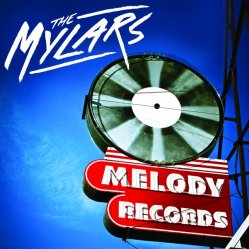
New Jersey’s The Mylars hail from that state’s Union City and named their debut album after the local record store, Melody Records. It makes sense because the record is an updated homage to that great period of American poprock, circa 1978-83. The band even offers up an inspired cover of the Cars’ “Let’s Go,” just in case you didn’t catch on. It all comes together on the debut single and video, “Forever Done,” with its wall of surging guitars and hooky, sibilant vocals. The single has a great AM radio-friendly rock and roll sound c. early 1980s, though without sounding derivative. In fact, the whole album is eminently listenable and would undoubtedly sound great live. There’s no protection from this kind of ear worm, thankfully.
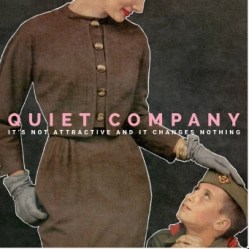
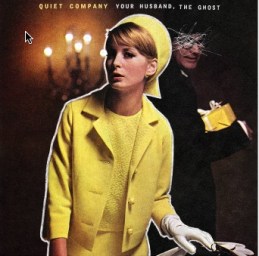
Austin’s Quiet Company have always provided more adult fare at the poprock table, adding just a bit more depth and complexity to the three minute problems that conventional singles typically handle. Though lately they’re becoming a bit darker and noticeably less quiet. 2017 witnessed the band release two EPs rather than a more conventional album, each offering up a harsher sound and seemingly harsher view of human relationships and the world they exist in. It’s Not Attractive and It Changes Nothing came out in April and its opening track “Celebrity Teeth Poacher” sounded deceptively typical of Quiet Company, at least at first. Nice acoustic guitar and melodic vocals open the song but things turn a bit more discordant in the chorus. “On Single Moms” is a nice pop single, with some great horns appearing here and there. By August Your Husband, the Ghost arrived, featuring more complex, harsh textures and messages. Melody is still there, particularly on the epic “We Should Go to Counseling,” but the listener has to work a little harder to feel the hooks. This is a band going somewhere, though they’re honest enough to admit they don’t really know where.
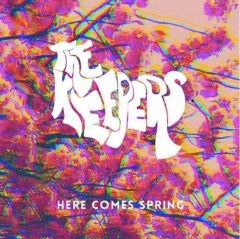
Crossing the pond with our final spin of the dial, The Keepers mine that particular vein of British poprock that stretches from late 1960s psychedelia through a variety of 1980s and 1990s indie sounds. Their new single “Here Comes Spring” is a delightful mélange of 1960s organ and fuzzed out guitars, a decidedly more slick and radio-friendly sound than their more garage rock sounding (though no less delightful) debut album, 2015’s No Exit. How this fits into a new album is not clear yet but the single is very promising. While waiting for more new releases, check out the band’s catchy remake of the Fine Young Cannibals’ “Good Thing” on Soundcloud.
New releases require new fans to really take off. It’s an age old equation in popular music. So start clicking through the links provided to Matt Whipkey, The Mylars, Quiet Company, and The Keepers to help turn this new music into a hit song or two.
Trying to separate out the various genres that have contributed to modern poprock is a bit hopeless. Take country, for instance. It’s right there in the rock and roll DNA of Elvis, Buddy Holly, Roy Orbison, and so many others. But country has a special relationship with poprock due to its buoyant approach to melody. Some of the greats of 1940s and 1950s country were hook masters who knew how to write a tune that would leave people singing in the shower. Merle Travis, the Louvin Brothers, Johnny Horton and, of course, the grandmaster tunesmith, Hank Williams Sr. The country rock of the late 1960s and early 1970s then was really just a return to rock and roll’s roots. And, of course, some country artists that rode the border of country pop and rock and roll never really went away in the 1960s – think the Everly Brothers or Buck Owens. Happily the tradition lives on with more recent acts mining the particular joy that is country poprock. It’s country time!
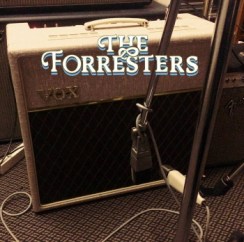
Australia must be a magical place. So many super creative people live there and they all seem to start a new band every other week. Anthony Bautovitch is the driving force behind The Forresters, just one of many musical projects he’s had a hand in over the years (you might have heard of the Orange Humble Band). Read his blog entries about this project and it’s like all the musical royalty of Australia showed up to do something on these recordings. “Tremblin’’ is from the 2008 debut Skin Deep and strikes a more traditional country vibe but check out the cool horns that slide in half way through. “Are You Ready” is from 2016’s self-titled album The Forresters and it has a stronger poprock feel. The chorus unfolds like a 1960s dream sequence. Hooky goodness here.Are You Ready
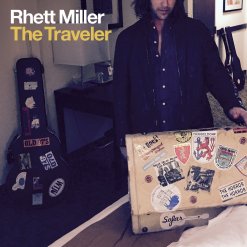
I was grooving on Rhett Miller for months before I discovered he was the lead singer for the Old 97s. “Our Love” from 2002’s The Instigator has a nice new wave aura to it, even as it takes the form of a classic country song construction. By contrast, “Lost Without You” from 2012’s The Dreamer has a more traditional country feel, if channeled a bit through Wilco. Improving with age (if that’s possible), Miller has some killer recent material, including the duet with Madison King, “Feel Like Fallin’ in Love,” and the recent collaboration with Black Prairie, 2015’s The Traveler. Love “Most in the Summertime” with its great lilting chorus line ‘Don’t give up … on me.’ The pause really makes the hook work.Our LoveLost Without You
I was digging the Steve Deaton Three’s self-titled album from 2015 when I hit their cover of Buck Owen’s “Tall Dark Stranger.” How could I know I’d be in for the definitive treatment of the song? SDT ramp it up just enough to capture the melodic magic that was always there but latent in the rather languid original version. Really, I’m surprised Dwight Yoakam didn’t cog onto this great opportunity. But just to show that these guys are not just poprock rodeo kings, check out their fabulous, driving should-be hit single, “Open My Eyes.” Not country, but a poprock spectacular single. And these are not the only charms this album contains.
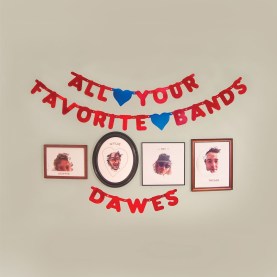
At a recent house concert in Toronto, the Sam Weber band performed “All Your Favourite Bands.” It being a house concert, the song ended and I asked them about it – and discovered the definitely alt-country/folk sound of Dawes. Early recordings like “When My Time Comes” from 2009 North Hills has the poetic charm of Bruce Springsteen’s first album while “If I Wanted Someone” from 2011’s Nothing is Wrong sounds more late period Eagles. But Dawes are hard to peg, with 2013’s Stories Don’t End serving up the very Steely Dan-ish “From a Window Seat” and their most recent, 2016’s We’re All Gonna Die, throwing in a bit more FM rock a la “Rocky Mountain Way” guitar and late Doobie Brothers vocals on “Roll With the Punches.”If I Wanted SomeoneRoll With the Punches
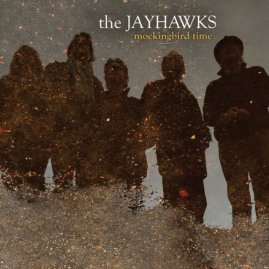
The Jayhawks were there when alt country hit the indie rock mainstream along with Wilco, Blue Rodeo and many others. We’re not going to play the obvious ones from the 1990s. These guys are masters for a reason – they’ve continued to put out solid recordings, as “She Walks in So Many Ways” from 2011’s Mockingbird Time showcases nicely. The song has a very Everly Brothers’ “Bowling Green” vibe to my ears. Oh, what the hell. “It’s Up to You” from 1997’s Sound of Lies is a pretty sweet album cut.She Walks in So Many WaysIt’s Up To You
Last up is a band I just discovered this last week, San Francisco’s Midnight North. “The Highway Song” is a peppy poprock number sweet enough to appeal to any Dolly Parton fan, with a melody that is nicely echoed by some trebly lead guitar. Great lyrics here: “So meet me on a highway … where we can sing some tunes like Johnny and June ..” The whole of their most recent album, 2017’s Under the Lights, is pretty strong, with “Greene County” turning the classic leaving scenario on its head while “Little Black Dog” harkens back to a more traditional country sound.
Propeller blasted into 2016 with their terrific Ramones-inflected romp, “Turn On the Radio.” Now they ‘re back with another slab of hooky 1960s and New Wave inspired tunes on their just released Don’t Ever Let This Let You Down. The record kicks off with album’s clear hit single, “Summer Arrives.” A great atmospheric opening (that reminds me of Porter Block) gives way to a yearning and sweet melodic ode to the beach season that wouldn’t be out of place on any mid-period Teenage Fanclub album. Another really catchy number is “We’re Better Than Nothing” with its alluring lead guitar work. “Little Unsteady” has the ‘ahhs’ and jangly lead guitar lines of a great Primitives or Sugar deep album cut. “Girl I Know” has a wonderful confessional Replacements quality. Meanwhile “Days Collide” is like someone took an Everly Brothers’ track and ran it through a garage rock filter, the basic magic is there but tweaked with some raw guitar amplifier voltage. The basic point I’m making here should be clear – this whole record is a solid poprock workout, one that bears repeated listening.
Propeller are waiting for some enormous fan adulation and that starts with pressing this hyperlink which will take you to their internet real estate. Let’s get this uncontrollable fame thing started.
“I’m With You” should have been the song that shot Montreal band The Stills to international stardom. Instead, it was the last single they released before breaking up in 2011. And that was a shame because “I’m With You” has all the hallmarks of a classic hit single. It opens with a killer hook that sets the pace for the whole song. The vocals are shimmery and understated, seemingly just behind the beat, giving the song a sense of urgency. The single opens with a distinctive clanging keyboard sound and ends just as mysteriously. And then chorus tag line “I’m with you” just keeps echoing in your head long after the song is over. Oh well. Really, it’s such a Canadian story – good press for albums one and two with some commercial success and Canadian radio play, culminating in what appears to be a positive international reception from critics for the last album, 2008’s Oceans Will Rise, including two Juno awards (Canadian Grammys). And then break up. Well, at least we can enjoy the band’s back catalogue.
To keep up with news about the Stills (such as it may be for a band that has disbanded) as well as updates on what former members are doing now, check out their Facebook page.
If you spend some time on Chris Lund’s website you might not feel so cheerful. The Lund Bros. story is all too common in the annals of rock and roll. Freakishly talented fellows slog away for decades, producing six albums of solid material, only to remain a regionally known quantity, mainly in the Pacific Northwest of the United States. But if you listen to the albums, you can’t help but be positive – this is simply marvelous stuff. From the early mix of influences on 1994’s Loving Cup, to the rejected demos for Geffen that would comprise the early-Beatles-sounding 1998 release Loser, you know you’re hearing a rising talent.I’ll Be ThereTold You So
That potential is definitely realized on the more slick and professionally produced International Pop Overthrow, released in 2002. Tracks like “Cain and Abel” sound a bit Matthew Sweet to me while the amazing “Power Lines” echoes the Britpop sound of The Real People or Cast. But really the whole album is strong on Beatles’ influence, particularly in the middle period Revolver era. Cain & AbelPower Lines
Failing to sign with a major label in the new millenium, the band took up an interesting strategy with their next two records: both were self-released double albums. 2004’s Tangents rocks out and here the two Lund brothers’ early love of Led Zeppelin shows up, though some poprock does shine through on tracks like “Wrong.” 2008’s Songbook IV mines the power pop sound a bit more consistently, as evident on cuts like “Can’t Read You,” “Listen,” and many others. But, as an aside, check out guitarist Chris Lund’s amazing guitar chops on the solo for “Such a Ride.”ListenSuch a RideWrong
Seven years passed before the Lund Bros. returned with 2015’s Sanguine, a title meaning literally ‘cheerful amid difficult circumstances.’ Apt much? But if the band was discouraged, it doesn’t show on the recordings, which are stellar, particularly the nice cover of Badfinger’s “No Matter What.” The obvious single is the perfectly paced “Blue,” which opens with some nice acoustic guitar and then builds to a great, vocal harmony-drenched chorus. Another nice tune with a pretty amazing guitar solo is “Ballad of a Former Martyr.” The lead guitar line ripples out at the 1:15 mark with some pretty beautiful runs.BlueBallad of a Former Martyr
Nearly all the Lund Bros. material is readily available on iTunes or you can connect with the band on Facebook or Chris Lund’s exhaustively detailed website. And you really should.

 Phil Dutra strikes me as an eminently nice guy. His songs have a pleasant 1970s soft rock aura, roughed up just a bit around the edges with some 1980s new wave and 1990s indie sensibilities. His recorded output has emerged in fits and starts in 1999, 2007, and more recently in 2014. I like a lot of what he does. But I was floored on first listen to what I think should be a monster hit, his anthemic “She Walks Away,” particularly the Michael Lloyd remix featured on his 2007 EP Right Behind the Rain with its more tweaked vocal effects. This is a big song, with changes that ring out with that ‘I’m a classic song’ feel. I can’t believe the song has not been picked up by some hit-belting vocal giant like Michael Buble or Rod Stewart. Of course, I’d prefer covers more in the Fountains of Wayne register but you get my drift. The song deserves to be sung and should be Dutra’s regular paycheque. Well, for now we have Dutra’s version and make no mistake it’s pretty special.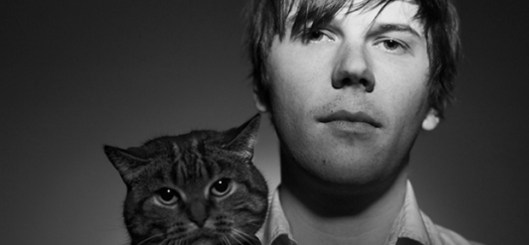
 Now I know what you’re thinking. You’ve seen these sort of crazy K-tel-esque offers before and they just seem too good to be true. Oh, it all starts off nice but after a few weeks of genuinely new material the whole operation degenerates into live album outtakes and crude demo tapes. But hey, would I steer you wrong? As your poprock curator I’ve already sampled the goods and I can assure you everything has an address on quality street. The Song of the Week Club got its start July 4 with the anthemically timely “Going Back to the U.S.A.” Since then he’s produced 14 wholly new poprock gems. By special permission from the head Pepper himself, I can showcase some of this new material here to whet your appetite.
 Only 14 songs into his 52 song odyssey and already the wide range of material presents too much choice. But the four songs below I think give you a sense of what Gregory Pepper is doing. The songs capture his musical dexterity, sublime lyrical creativity, and sense of fun. “Sublime Sun Tattoo” has a late 1950s, early 1960s melodrama pop sound, with a lyric devoted to exploring Enya’s possibly castle-fed loneliness. “Worrier Spirit” has very Elvis Costello melodic subtones circa Punch the Clock to my ears. I love the way the guitars charge out of the gate, only to drop out with the vocals, the great pulsing organ, and the theramin/Quinn Martin Productions sound that appears at the three-quarter mark, capped by a cool James Bond chord ending. It’s the little details that make these such melodic masterpieces! “Give Yourself a Hand” has a great swinging feel with sweetened vocals that add just a touch of light to the desperate drabness so typical of a bachelor party trip to the strip joint. “Two Speeds” showcases Pepper’s mastery of different stylistic eras, with some nice Merseybeat touches, particularly the guitar riff and the overall song structure. I gotta stop here or I’ll give away the store.Sublime Sun TattooWorrier SpiritGive Yourself a HandTwo Speeds
 An enormous amount of talent cruises through the internet everyday with yours truly discovering barely a smidgen of what’s out there. But there are times when I have to ask myself ‘how did I miss this’? Well, actually, it happens so much we have a whole department looking into it here at Poprock Record.
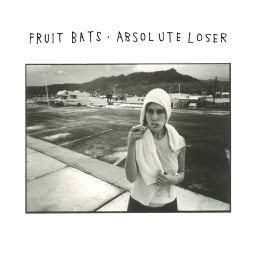 Fruit Bats is the least forgiveable because we previously featured the band’s delightful “Rainbow Sign” with its great acoustic feel and harmony vocals from 2003’s Mouthfuls. Somehow I missed their most recent album, released just last year. Absolute Loser is a more muscular effort, showcasing a full band sound. “From a Soon-to-Be Ghost Town” ripples along with just a hint of that countrypolitan sound indie bands like so much, with vocals that remind of James Mercer of the Shins. “Humbug Mountain Song” kicks off nicely enough but then suddenly introduces a hypnotic banjo riff that keeps coming back, with a smooth 1970s soft rock chorus. Title track “Absolute Loser” is a slow burn hook, with vocals that remind me of You Won’t’s unusual harmonic charms. All in all, this is one eminently listenable album.From a Soon-to-Be Ghost TownAbsolute Loser
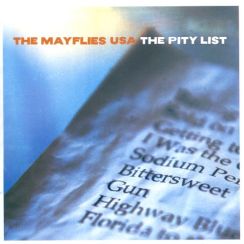 Ok, I can be forgiven for missing The Mayflies U.S.A. because they fall into the power pop ghetto that has long proved a hit with critics but a dud with mainstream audiences, at least in the period when most of their records came out. When guys like Matthew Sweet can barely register in the mainstream, there just isn’t much chance this sort of talent is going to register outside of niche circles. And that is shame because these guys (pop) rock! The songs are hooky and the vocals meld into a special kind of ear candy. Just check out the title track from 2002’s Walking in a Straight Line – churning guitar hooks and pleasantly sibilant vocals galore. Or tune into “The End of Line” from 2000’s The Pity List with its subtle but seductive hook buried at the end of the chorus. I couldn’t hit replay fast enough. “I Just Wanna Be Your Gun” is also pretty special.
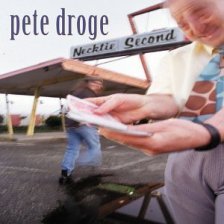 How I passed over Pete Droge is more mysterious because I actually have long owned a copy of The Thorns album he recorded with Matthew Sweet and Shawn Mullins. But I think I was going through a pretty heavy Sweet fix at the time and judged the album to be too low key. In any event, I recently stumbled across Droge in an iTunes ‘listeners also bought’ section and haven’t looked back. Droge has five solo albums and a soundtrack that are all pretty good but I find myself really digging 1994’s Necktie Second and 2008’s Under the Waves, the former channeling a mellow Tom Petty vibe while the latter has a strikingly spare acoustic demeanor.
 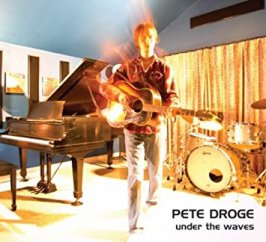 From Necktie Second “If You Don’t Love Me (I’ll Kill Myself)” reinvents the old “Mockingbird” song in an original way, all sparkling guitar lines and nicely reverby vocals. Meanwhile, I swear “So I Am Over You” comes on like a really great Tom Petty out-take. Fast forward to 2008 and the material from Under the Waves has Droge digging deep into more atmospheric territory on the title track or channeling Paul Simon circa Graceland on “Giving it All Away” with some very ABBA guitar. Even more recently his The Droge and Summer Blend project takes off in another direction, this time a folky/country harmony-rich concoction, with great tracks like “Sad Clown” and “Island.”So I Am Over YouUnder the WavesGive it All AwayIsland
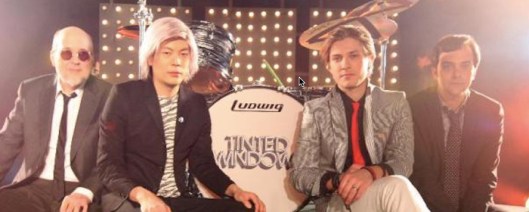 When rock critics got wind of a new supergroup forming in early 2009 that would combine talent from the Smashing Pumpkins, Fountains of Wayne, Cheap Trick and Hanson they were giddy with anticipation. But when Tinted Windows’ self-titled debut dropped in April, the gloves suddenly came off. Pitchfork called the record “hopelessly dated and irrelevant,” declaring “the whole of Tinted Windows is so much less than the sum of its considerable parts…” The review ended thus: “If there are dollar bins in the future, that’s where you’ll find this failed debut.” Ouch. Others were just as scathing. PopMatters complained that “Tinted Windows, tragically, is everything that a pop-rock disc shouldn’t be: bland, boring, and completely forgettable.” The reviewer thought the record was a “terrible, hookless affair,” perhaps “the worst album to be released in 2009 thus far.” There were more balanced reviews but they too were often hemmed in with backhanded compliments. The A.V. Club described the album as “wonderfully shallow,” Spin thought it “safe and bouncy enough for Jo Bros fans and Stacy’s mom alike,” while Rolling Stone preferred FOW more clever lyrics but allowed that “these likable tunes usually hit their modest marks.” Not exactly ringing endorsements.
 I heard about these reviews at the time but only landed a copy of the record a few months ago. Imagine my surprise to discover that Tinted Windows is an amazing debut album. Forget all the rock critic super-group nonsense. Tinted Windows are a straight-up, guitar-driven poprock group, delivering a new century take on that stripped down late 70s/early 1980s melodic rock and roll sound, with all the usual nods to the Cars, the Knack, Big Star and the Cheap Trick. Adam Schlesinger writes most the songs and you can definitely hear the Fountains of Wayne influence on tracks like “Dead Serious” with its super hooky chorus or “Can’t Get a Read on You.” But as he noted in interviews, he deliberately toned down the signature FOW wordplay for a more direct lyrical style. You can really hear this on the debut single, “Kind of Girl,” with its solid thumping poprock groove. Other members of the group contribute a few songs: James Iha gets a nice slow Cheap Trick grind going with “Back with You” while lead singer Taylor Hanson’s “Nothing to Me” has some nice Beatlesque guitar changes. But the album’s hit single should have been “Without Love,” which opens with a killer hook that just won’t let up – hands down, best song on record. The Hanson/Schlesinger composition “Take Me Back” is another strong contender for a single with some very catchy hooks in the chorus.Without LoveTake Me Back
 I don’t often get to use a word like ‘redux’ but when I do it’s definitely for collections like this. In Songs, Bond Songs: The Music of 007 twenty-five artists ‘restore, bring back’ and ‘present in a new way’ the entire canon of theme songs from the James Bond movies, with an accent on indie, poprock treatments. Why bother, you might ask? Well the Bond canon is unique in so many ways. The quality of the songs stretching over a half century is surprisingly strong and consistent. And, as is apparent from the performances on this record, they are open to broad and varied re-interpretations. Some performances here are fairly safe and unremarkable but most try to do something original with the basic raw material of their specific Bond song. I won’t comment on everything but rather just highlight what I think are the more unique, sometimes daring, and ultimately single-worthy remakes from the collection.
 This turn around the dial provides a blast of Americana in various forms, with just a dash of melodic British 1960s-influenced psych-rock.
 Matt Whipkey’s Best New Music may just be. His 2017 release is a solid album, sprinkled liberally with melodic rock influences that range from 1970s to the 1990s. The most likely single, “Aliens,” kicks off with a killer Byrds-influenced guitar introduction, but then shifts to a nice country-infused lilting number a la Wilco in hit mode. “Danielle” is another song with a great roll-out introduction, this time exuding a more Springsteen vibe. “Amy You Are Everything” has a familiar diminished chord progression that attentive listeners will recognize from so many songs (for example, Lennon’s “Happy Xmas”) but melodically pulls on the more pop elements of Springsteen’s 1980s work, with some nice jangly lead guitar. And there are many more highlights. Whipkey has an enormous back catalogue which you can purchase from
  New Jersey’s The Mylars hail from that state’s Union City and named their debut album after the local record store, Melody Records. It makes sense because the record is an updated homage to that great period of American poprock, circa 1978-83. The band even offers up an inspired cover of the Cars’ “Let’s Go,” just in case you didn’t catch on. It all comes together on the debut single and video, “Forever Done,” with its wall of surging guitars and hooky, sibilant vocals. The single has a great AM radio-friendly rock and roll sound c. early 1980s, though without sounding derivative. In fact, the whole album is eminently listenable and would undoubtedly sound great live. There’s no protection from this kind of ear worm, thankfully.
 Austin’s Quiet Company have always provided more adult fare at the poprock table, adding just a bit more depth and complexity to the three minute problems that conventional singles typically handle. Though lately they’re becoming a bit darker and noticeably less quiet. 2017 witnessed the band release two EPs rather than a more conventional album, each offering up a harsher sound and seemingly harsher view of human relationships and the world they exist in. It’s Not Attractive and It Changes Nothing came out in April and its opening track “Celebrity Teeth Poacher” sounded deceptively typical of Quiet Company, at least at first.
  Nice acoustic guitar and melodic vocals open the song but things turn a bit more discordant in the chorus. “On Single Moms” is a nice pop single, with some great horns appearing here and there. By August Your Husband, the Ghost arrived, featuring more complex, harsh textures and messages. Melody is still there, particularly on the epic “We Should Go to Counseling,” but the listener has to work a little harder to feel the hooks. This is a band going somewhere, though they’re honest enough to admit they don’t really know where.
 Crossing the pond with our final spin of the dial, The Keepers mine that particular vein of British poprock that stretches from late 1960s psychedelia through a variety of 1980s and 1990s indie sounds. Their new single “Here Comes Spring” is a delightful mélange of 1960s organ and fuzzed out guitars, a decidedly more slick and radio-friendly sound than their more garage rock sounding (though no less delightful) debut album, 2015’s No Exit. How this fits into a new album is not clear yet but the single is very promising. While waiting for more new releases, check out the band’s catchy remake of the Fine Young Cannibals’ “Good Thing” on
  Trying to separate out the various genres that have contributed to modern poprock is a bit hopeless. Take country, for instance. It’s right there in the rock and roll DNA of Elvis, Buddy Holly, Roy Orbison, and so many others. But country has a special relationship with poprock due to its buoyant approach to melody. Some of the greats of 1940s and 1950s country were hook masters who knew how to write a tune that would leave people singing in the shower. Merle Travis, the Louvin Brothers, Johnny Horton and, of course, the grandmaster tunesmith, Hank Williams Sr. The country rock of the late 1960s and early 1970s then was really just a return to rock and roll’s roots. And, of course, some country artists that rode the border of country pop and rock and roll never really went away in the 1960s – think the Everly Brothers or Buck Owens. Happily the tradition lives on with more recent acts mining the particular joy that is country poprock. It’s country time!
 Australia must be a magical place. So many super creative people live there and they all seem to start a new band every other week. Anthony Bautovitch is the driving force behind The Forresters, just one of many musical projects he’s had a hand in over the years (you might have heard of the Orange Humble Band). Read his blog entries about this project and it’s like all the musical royalty of Australia showed up to do something on these recordings. “Tremblin’’ is from the 2008 debut Skin Deep and strikes a more traditional country vibe but check out the cool horns that slide in half way through. “Are You Ready” is from 2016’s self-titled album The Forresters and it has a stronger poprock feel. The chorus unfolds like a 1960s dream sequence. Hooky goodness here.Are You Ready
 I was grooving on Rhett Miller for months before I discovered he was the lead singer for the Old 97s. “Our Love” from 2002’s The Instigator has a nice new wave aura to it, even as it takes the form of a classic country song construction. By contrast, “Lost Without You” from 2012’s The Dreamer has a more traditional country feel, if channeled a bit through Wilco. Improving with age (if that’s possible), Miller has some killer recent material, including the duet with Madison King, “Feel Like Fallin’ in Love,” and the recent collaboration with Black Prairie, 2015’s The Traveler. Love “Most in the Summertime” with its great lilting chorus line ‘Don’t give up … on me.’ The pause really makes the hook work.Our LoveLost Without You
 I was digging the Steve Deaton Three’s self-titled album from 2015 when I hit their cover of Buck Owen’s “Tall Dark Stranger.” How could I know I’d be in for the definitive treatment of the song? SDT ramp it up just enough to capture the melodic magic that was always there but latent in the rather languid original version. Really, I’m surprised Dwight Yoakam didn’t cog onto this great opportunity. But just to show that these guys are not just poprock rodeo kings, check out their fabulous, driving should-be hit single, “Open My Eyes.” Not country, but a poprock spectacular single. And these are not the only charms this album contains.
 At a recent house concert in Toronto, the Sam Weber band performed “All Your Favourite Bands.” It being a house concert, the song ended and I asked them about it – and discovered the definitely alt-country/folk sound of Dawes. Early recordings like “When My Time Comes” from 2009 North Hills has the poetic charm of Bruce Springsteen’s first album while “If I Wanted Someone” from 2011’s Nothing is Wrong sounds more late period Eagles. But Dawes are hard to peg, with 2013’s Stories Don’t End serving up the very Steely Dan-ish “From a Window Seat” and their most recent, 2016’s We’re All Gonna Die, throwing in a bit more FM rock a la “Rocky Mountain Way” guitar and late Doobie Brothers vocals on “Roll With the Punches.”If I Wanted SomeoneRoll With the Punches
 The Jayhawks were there when alt country hit the indie rock mainstream along with Wilco, Blue Rodeo and many others. We’re not going to play the obvious ones from the 1990s. These guys are masters for a reason – they’ve continued to put out solid recordings, as “She Walks in So Many Ways” from 2011’s Mockingbird Time showcases nicely. The song has a very Everly Brothers’ “Bowling Green” vibe to my ears. Oh, what the hell. “It’s Up to You” from 1997’s Sound of Lies is a pretty sweet album cut.She Walks in So Many WaysIt’s Up To You
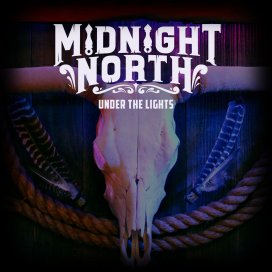 Last up is a band I just discovered this last week, San Francisco’s Midnight North. “The Highway Song” is a peppy poprock number sweet enough to appeal to any Dolly Parton fan, with a melody that is nicely echoed by some trebly lead guitar. Great lyrics here: “So meet me on a highway … where we can sing some tunes like Johnny and June ..” The whole of their most recent album, 2017’s Under the Lights, is pretty strong, with “Greene County” turning the classic leaving scenario on its head while “Little Black Dog” harkens back to a more traditional country sound.
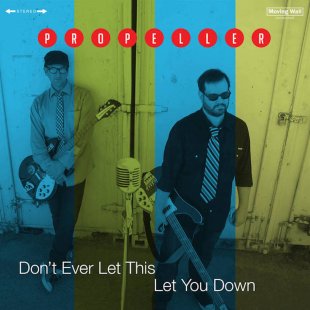 Propeller blasted into 2016 with their terrific Ramones-inflected romp, “Turn On the Radio.” Now they ‘re back with another slab of hooky 1960s and New Wave inspired tunes on their just released Don’t Ever Let This Let You Down. The record kicks off with album’s clear hit single, “Summer Arrives.” A great atmospheric opening (that reminds me of Porter Block) gives way to a yearning and sweet melodic ode to the beach season that wouldn’t be out of place on any mid-period Teenage Fanclub album. Another really catchy number is “We’re Better Than Nothing” with its alluring lead guitar work. “Little Unsteady” has the ‘ahhs’ and jangly lead guitar lines of a great Primitives or Sugar deep album cut. “Girl I Know” has a wonderful confessional Replacements quality. Meanwhile “Days Collide” is like someone took an Everly Brothers’ track and ran it through a garage rock filter, the basic magic is there but tweaked with some raw guitar amplifier voltage. The basic point I’m making here should be clear – this whole record is a solid poprock workout, one that bears repeated listening.
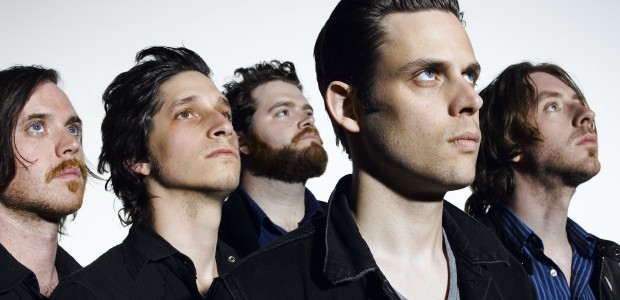 “I’m With You” should have been the song that shot Montreal band The Stills to international stardom. Instead, it was the last single they released before breaking up in 2011. And that was a shame because “I’m With You” has all the hallmarks of a classic hit single. It opens with a killer hook that sets the pace for the whole song. The vocals are shimmery and understated, seemingly just behind the beat, giving the song a sense of urgency. The single opens with a distinctive clanging keyboard sound and ends just as mysteriously. And then chorus tag line “I’m with you” just keeps echoing in your head long after the song is over. Oh well. Really, it’s such a Canadian story – good press for albums one and two with some commercial success and Canadian radio play, culminating in what appears to be a positive international reception from critics for the last album, 2008’s Oceans Will Rise, including two Juno awards (Canadian Grammys). And then break up. Well, at least we can enjoy the band’s back catalogue.

 Failing to sign with a major label in the new millenium, the band took up an interesting strategy with their next two records: both were self-released double albums. 2004’s Tangents rocks out and here the two Lund brothers’ early love of Led Zeppelin shows up, though some poprock does shine through on tracks like “Wrong.” 2008’s Songbook IV mines the power pop sound a bit more consistently, as evident on cuts like “Can’t Read You,” “Listen,” and many others. But, as an aside, check out guitarist Chris Lund’s amazing guitar chops on the solo for “Such a Ride.”ListenSuch a RideWrong
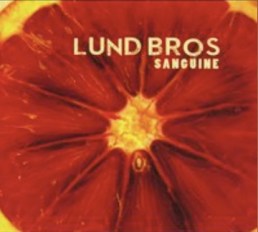 Seven years passed before the Lund Bros. returned with 2015’s Sanguine, a title meaning literally ‘cheerful amid difficult circumstances.’ Apt much? But if the band was discouraged, it doesn’t show on the recordings, which are stellar, particularly the nice cover of Badfinger’s “No Matter What.” The obvious single is the perfectly paced “Blue,” which opens with some nice acoustic guitar and then builds to a great, vocal harmony-drenched chorus. Another nice tune with a pretty amazing guitar solo is “Ballad of a Former Martyr.” The lead guitar line ripples out at the 1:15 mark with some pretty beautiful runs.BlueBallad of a Former Martyr
