Some bands throw their guitars to the front of mix or offer up some hooky guitar lick that drives the song. This post features songs from bands where the guitar attack is a key part of the charm but none take up the challenge in quite the same way.
Poole’s “Supermerica” blasts open with a guitar storm not unlike more than few singles from Fountains of Wayne but the vocals have more of a Bob Mould solo tinge. The band put out three albums in the 1990s but didn’t really take off, sadly, as their 1995 debut Alaska Days is fantastic and features this song. The Travoltas drop into “I’m Sorry” with crunchy load of rhythm guitar before settling into a great poprock sound that the Dutch seem to have patented in recent years with bands like this one and Tommy and the Rockets. This song has nice of dose of Beach Boys harmony about two-thirds of the way through, not surprisingly given this 2002 album title is Endless Summer. The band’s most recent album, Until We Hit the Shore, continues to mine this beach-infused party punk sound. Australia’s Genes or The Genes (depending on the recording) make their acoustic guitars jump out of the speakers on tracks like “A Smile Will Do” and “I Know.” Our featured track is from their 1995 record, Buy a Guitar, and the whole record is pretty consistently acoustic guitar dominant in ways you didn’t really think possible. Of the three bands, only the Travoltas seems serious about promoting their music online. You will search in vain for much info or a website for the other two.I’m SorryA Smile Will Do
Of the bands featured in this post, The Ivins probably most fit the bill of potential mainstream rock success with “Roam the World” from their new album, The Code Duello. Eclectic Music Lover put me on to them and this song rumbles into life with a killer echo-y guitar riff. The style is very old-school FM radio rock, less poprock, but the brothers who comprise the band have a killer harmony sound that ups the melody quotient at various points in the song. By contrast, Odd Robot give off an indie vibe both in terms of their guitar sound but also their vocal style. I love how it all comes together on our featured song “Take With Two White Pills” from their recent album A Late Night Panic. The guitars and vocals are some great poprock, tweaked with just a hint of that discordant indie élan. Wrapping up this post is recovering noise punk band, Terry Malts. I say ‘recovering’ because the boys appear to be changing their stripes with this most recent single “It’s Not Me” but there are indications that old habits die hard. The song opens with a crisp lead guitar line that loops around as the main hook of the tune while the vocals are bit more shoegaze. It’s a really great poprock single but it is about the only one in their extensive catalogue. Ok, I shouldn’t be greedy, one song is better than none. However, when I saw the band recently in Toronto even this song got the noise punk treatment. Would love to see more songs in this vein from the band.
I didn’t find any internet sites for Poole or Genes but the Travoltas, Ivins, Odd Robot, and Terry Malts all make internet contact easy. I’ve only scratched the surface of what they offer here. Dig deeper.
It was 1982. I was 17, gay as springtime, and loved rock and roll. Musically at that time I would find myself caught between different worlds – there really wasn’t any place to call home. That same year a friend of mine and I snuck into our first gay bar. I thought it was going to be great, to finally be somewhere full of other gay people. But I just couldn’t get past the terrible music. It was all tuneless dance beats, nary a guitar or a melodic hook in sight. I thought of myself as pretty well informed about all kinds of music even then but all night I didn’t recognize a single song. Years later I would come to appreciate why gay popular culture had evolved as it had, why a certain kind of music dominated the scene then. But at the time I experienced it as incredibly alienating. Just another place I didn’t fit in.
In early 1980s, gay was a no go zone for music, a one way trip off the charts and into commercial oblivion. Sure, David Bowie, Lou Reed, and Elton John had dabbled in public bisexuality in the 1970s but when that fad passed it was back to ‘don’t ask, don’t tell’ for gay musicians trying to have a career in music. There were a few stark exceptions: Pete Townshend’s “And I Moved” and “Rough Boys” from 1980s Empty Glass, Joe Jackson’s “Real Men” from 1982’s Night and Day, and Tom Robinson’s fiercely political “Glad to be Gay,” which I first heard as a solo acoustic performance on the 1980 album The Secret Policeman’s Ball. But these performers were either not gay or not really focused on giving voice to gay experience.
And then came The Smiths. There may have been acts that I liked more at the time but none affected me as profoundly as this Manchester quartet. I found a copy of “What Difference Does it Make” in the discard pile at my radio broadcasting school and it blew my head off. The guitar hook immediately had my full attention but the lyrics were also startling – this was my life in a rock and roll song, something that had never happened before. I immediately set out to find more and picked up the BBC sessions/compilation album Hatful of Hollow. The fall of 1984 was all Smiths, all the time. The songs were so obviously about working class gay experience – “William, It Was Really Nothing,” “This Charming Man,” “Handsome Devil,” etc. – that it was painfully embarrassing to see Morrissey equivocate about his sexuality in later interviews. British artists in the 1980s seemed divided about taking a stand on gay identity with Morrissey and the Pet Shops Boys avoiding the issue while others like Bronksi Beat wrote powerfully direct songs like “Small Town Boy.” Later Smiths albums were definitely more oblique about sexuality, but it didn’t matter. The early recordings broke through a barrier of rock and roll masculinity, proving to be as exciting as any previous three chord wonder. Others would take note.
Many years later a friend gave me a copy Pansy Division’s Wish I’d Taken Pictures. Now here was the ‘out and proud’ gay rock and roll I had wanted The Smiths to be. Talk about flaunting it – this legendary San Francisco queercore band is hilariously in-your-face about their gay lives. Going back in their catalogue, their 1993 debut Undressed spoke directly, often intimately, about gay sex, gay dating, really anything you could describe as gay experience in both tender and amusing ways. No more Smithian innuendo, just refreshingly frank talk on tracks like “Boyfriend Wanted,” “The Story So Far,” and “Surrender Your Clothing.” Though their sound owes a lot to the California’s pop punk groove of the late 1980s and early 1990s, Pansy Division oscillate between a more hardcore guitar attack and an almost Jonathan Richmanesque playfulness in terms of emotional honesty and a more low key poprock sensibility.
With seven albums of original material there is simply too much to review here but I could easily single out a host of songs from across their catalogue. From the early period I would note the above-mentioned songs from Undressed, “Don’t Be So Sure” and “Kevin” from 1996’s Wish I’d Taken Pictures, and “Sweet Insecurity” and “Used to Turn Me On” from 1998’s Absurd Pop Song Romance. The band branches out stylistically in the new century with some new guitar sounds and song structures. 2003’s Total Entertainment comes on like a rush of adrenaline with a new sonic mix on tracks like “When He Comes Home,” “Not Good Enough for You,” and “First Betrayal,” while 2009’s That’s So Gay pumps the politics quotient on “Some of My Best Friends” and the ‘not taking ourselves too seriously’ factor on “Dirty Young Man” and “Pat Me on the Ass.” 2016’s Quite Contrary album mimics the cover of their Wish I’d Taken Pictures record released twenty years earlier, replacing the strapping lads of the original with the band’s now aging selves, though they still seem to be cavorting and having a good time. The song themes too reflect their present gay circumstances with issues like the ongoing religious attacks on queers in the US in “Blame the Bible” or aging in “(Is This What It’s Like) Getting Old.” Being from Canada, I have to high five Pansy Division’s ode to our great white north, “Manada” which manages to name check a host of Canadian cities and laud out boys, with versions in both English and French! These guys are a class act.
In the end, the question remains: is it really that important whether a band is gay or not? Yes and no. As I’ve grown older, more comfortable and confident about who I am, I don’t necessarily need to be surrounded by reflections of myself. I love all kinds of music regardless of sexuality or any other kinds of identity markings. But when we are young it is terribly important to see ourselves in popular culture. To be invisible in the world is to be invisible to ourselves. To have our hopes and dreams, heartaches and disappointments given expression in culture is to be part of the broader world. Indeed, to identify across our differences requires first that those differences be articulated. Perhaps it is easier for a rock and roll gay boy today. I hope so, though we should never underestimate how hard it is to be different. Despite the gains in social tolerance, western societies remain profoundly conformist in a host of ways.
Nobody really needs to help The Smiths sell any new product. As one wag noted, for a band critical of rampant consumerism, they have proven to be very adept at packaging and repackaging their material in the most stylish and collectible way. On the other hand, I suspect Pansy Division are probably not in a position to buy an island any time soon. So do visit the boys, share a laugh, and of course spend some money.
Photos of 17 and 24 year old Dennis Pilon by David Curnick and Michael Willmore.
What is it with guys and record collections? While I think things have changed a bit recently, coming of age in the 1980s the record store and music obsessions were predominantly male preserves. Nobody captured it better than Nick Hornby in the first chapter of High Fidelity, which opens with the male protagonist deciding for the umpteenth time to reorganize his record collection, this time in the order he purchased them. I remember looking up from the book thinking ‘somebody’s been watching me …’
So here are two songs that capture the traditional range of views about women and record collections. In one, the singer is delighted to find a girl with a serious record collection, noting she “blew me away, with her 45s, they’re all alphabetized …” But in the other, the narrator “did a quick inspection and found [her] ELO” and dumps her, directing her to “take your record collection and go.” In either case, the serious female record collector is either a surprise or unthinkable. Yet both songwriters are clearly mocking this sort of narrow thinking. Eytan Mirsky has a large body of hilarious, self-mocking poprock. One album features a pathetic looking Mirsky slouching in a chair as some girlfriend’s luggage is heading for the door – the album title? Was it Something I Said? On his song “Record Collection” (from Get Ready for Eytan!) the shallowness of his male narrator deciding to dump the girl he’s moved in with over some supposed musical indiscretions is both mocked and yet somehow also sadly believable. Meanwhile, producer extraordinaire Fernando Perdomo offers up two distinctly different versions of his charming “Girl with a Record Collection,” one leaning on a jangle poprock sound while the other exploits a more poppy arrangement.
Eytan Mirsky and Fernando Perdomo both have enormous back catalogues of music on Bandcamp just waiting to be perused in a leisurely fashion, preferably with a martini or a beer to encourage impulse buying.
I wonder sometimes if the mail person has mistaken my address for Quality Street because the submissions arriving in the Poprock Record mailbag have been pretty spectacular. This week’s selections run the gamut of cabaret pop, textured top 40, straight up party rock and roll, and punky riffsters.
The tuneful Adam Merrin (we featured him here) sent a note about Fire Chief Charlie, a band whose latest record, Chances Are, he produced and played on. This submission is definitely a border case, a bit more art rock than poprock. And yet I find their latest single “Let’s Be Happy” so intriguing. The male vocals remind me of Roxy Music era Bryan Ferry, the guitar lines are languid and suggestive, while the pacing is almost plodding until it suddenly changes up. Repeated listening creates a hypnotic effect, bringing out the song’s subtle hooks. The single’s B-side, “There Goes My Ol’ Unbearable Heart,” is also a nice number, strummy with just a slight hint of country twang and a dreamy (but short) guitar solo.
The new record from Tiny Animals comes a long six years after their last long player. To make up for lost time, they have crafted a full blown concept album, Such Stuff That Dreams Are Made On, that takes us through a night of dreaming and the bleary, sometimes nonsensical imagery that accompanies sleep (or the lack thereof). As with previous Tiny Animals albums, the sound is crisp and finely textured, often built up layer by sonic layer. The songs are sequenced seamlessly without break but some contributions are more single-ready (some more experimental) than others. I would send radio “She’s Gonna Find Out” with its quirky and catchy opener, the hooky “Stalker” which features some great vocal effects, the strolling-on-a-sunny-day “Wait, Wait, Wait,” and the band’s own choice for first release and video, “Up, Up, and Away.” And in something totally unrelated to this release, check out the band’s hilarious medley of 1980s sitcom theme songs!She’s Gonna Find OutUp, Up, and Away
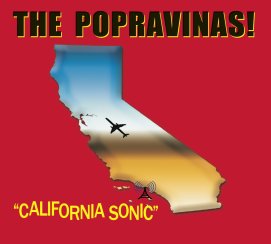
The Popravinas have a easygoing, melodic rock n’ roll sound – they perform like they’ve been playing together forever. Their sound combines both acoustic and electric guitars, punchy lead lines, AM transistored vocals, a bit of California country rock at times, and a general party vibe. The whole album is enjoyable but “Santa Monica Moon,” “Wow,” and “Top of the Heartache” are stand out tracks for me. Still, if I had pick something for a single I think I’d go with “Alone Ain’t So Bad” with its slightly stronger edge of rock and roll insurgency, nice vocal arrangement, and just a bit of banjo. Hit play and let the beer flow.
We torque up the rock quotient with selections from Picnic Tool’s tart and saucy EP Einstein. The title track is a talky, rumbly rock workout full of hilarious asides, while “Chinese Heart” has a more spare sound, held together by a strong, hooky lead guitar line. By comparison “I Love the Truth” sounds more conventional if only because it features actual singing along with some nice harmonica breaks, built on a great neo-1950s music bed. Things wrap up with the fun “… About Gurls,” a crisp new wavey number full of super riffs. And then, it’s over. Even for an EP Einstein ends all too soon.
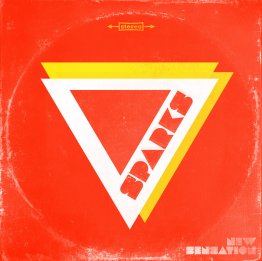
Dramatic, almost Queen-like in its changes and intensity, V Sparks grabs you and doesn’t let go on its New Sensation EP. While the record has a number of strong songs, I remain most captivated by “Death of a Star.” From the opening keyboards, the song twists and turns so often you may feel it has lost its way. But when it hits the chorus you’re in a melodic sweet spot that you just don’t want to end. A remarkable effort that makes you wonder where this band will go next.
So many would-be hits have ended up in the equivalent of a rock and roll wasteland: the cut-out bargain bin, unheard and/or underappreciated. What if those great tracks could be resurrected in a different time to more appreciative ears? Today’s time capsule top five gathers up a number of strong singles that deserve another crack at the hit parade.
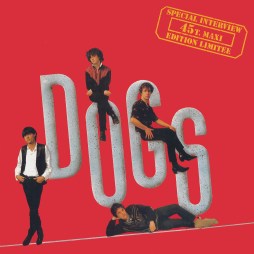
The Dogs were a French punky new wave band, particularly active recording-wise from the late 1970s to late 1980s. Like Elvis Costello, they evolved from pub rock into something harder, taking punk’s influence to sharpen their basic rough-edged rock and roll sound on albums one and two before attempting a more commercial breakthrough on a record number three, Too Much Class for the Neighbourhood. By contrast, their fourth album, 1983’s Legendary Lovers, represented a return to some of their earlier rough edges, ably demonstrated on the fantastic single, “Never Come Back.” This is an uber cool sound – check out the ringing guitars and the heavily French-accented English pronunciation. By all accounts The Dogs were a legendary live band, something that really seems obvious from the evident and palpable excitement oozing from this recording.Never Come Back
The number of bands whose albums got lost in the various record label merger and acquisitions that took place throughout the 1990s would include The Sighs. Originally signed to Charisma/Virgin, their 1992 debut What Goes On failed to excite EMI, the new owners, who let it stall with lacklustre promotion. The band’s second album four years later also failed to take off. And that is shame. Just listen to “Make You Cry” with its jangly opening and incredibly catchy chorus, the latter featuring a stunning harmony vocal. When I first heard the band hit the “he’ll make you cry” line it literally stopped me in my tracks. This should have been a break out hit single.Make You Cry
Even’s “Seconds” is an amazing 1960s-inspired single from their 2001 album A Different High. Well, actually, it wasn’t the official single, but this scribe thinks it should have been. The hypnotic hooky lead line, the super Beatles’ Rubber Soul-era vocals, the overall chimey-ness of the sound – surely this says hit material. Perhaps things could have turned out different for Even, an Australian outfit perennially at the top of the critics’ lists but not the charts, if this had been the official 45 shipped to radio? I know, probably not. But it remains at the top of the Poprock Record charts. Actually, a great deal of Even’s catalogue is in high rotation around here. This tune is just the tip of a great songcraft iceberg. You really can’t go wrong with any of their six albums and three EPs.Seconds
The sibling two-thirds of Greenberry Woods split off to form Splitsville in the late 1990s, eventually releasing five albums between 1997 and 2003. For a band with that much material, they leave a surprisingly light imprint on the ole internet. Influences abound on their music – Teenage Fanclub, Matthew Sweet, as well as all the usual 1960s suspects (e.g. Beatles, Beach Boys, etc.). “I Wish I’d Never Met You” is from their last album, Incorporated, and it is definitely channeling a bittersweet Teenage Fanclub feel both musically and lyrically.I Wish I’d Never Met You
A quick listen of “Waterfall” from San Francisco’s The Fresh and Onlys might have you scratching your head at descriptions of their sound as garage rock. Garage pop maybe. Sure the vocals hover with that distinctly sixties garage rock ambience but the guitars are wonderfully melodic, both the rumbly one that anchors the versus and the more buoyant one that anticipates and rides through the chorus. Aptly named, “Waterfall” it’s a song that rushes over you in a most pleasant way.
You don’t have to wait to enjoy these time capsule treats. Visit The Dogs, The Sighs, Even, Splitsville, and The Fresh and Onlys at these internet portals today.
There was a group of kids in high school who were into all the punk and early post-punk material. I could dig some of the sentiments but just couldn’t hear the tunes. That’s why I steered more to the new wave side of the street: Elvis Costello over the Damned, the Jam over Sex Pistols, and the mid-to-late period Clash over the early Clash. But if we see punk as more a sentiment than a genre, then we can always find a number of acts punking up the perimeters of poprock. Today we explore that punky poprock sentiment.
We begin – where else? – Austin, Texas. The Republican voting, open-carry gun-toting, millennial-cult-confronting state also breeds a damn fine indie music scene. Jonly Bonly exemplify that tradition with a cool rush of adrenaline-soaked punky poprock on their debut album, Put Together. I love the kick off to “I Don’t Mind” – so 1960s garage rock – and then the catchy lead guitar line that threads its way throughout the song. “Never Thought I’d Die” has a nice hook and an interesting mix of guitar sound, as does “Long Distance.” All three songs are strong on melody.
The Lowboys take us somewhere in Virginia, the band being mostly the work of Joseph Hurlock, described on Facebook as a “song guy from VA.” The performances here all have a wonderfully chaotic feel to them. “Defense Mechanism” is a song that often seems to be hanging on to its structure by a thread, given the endearingly shambolic vocal, but the basic hook survives and the chorus hints at a more straight up poprock potential. Don’t miss the eccentric solo. “Don’t Fail Me Now” is another good song that meanders out of the gate but somehow really comes together in the chorus.
Last up is Volcano, I’m Still Excited, an Austin-meets-Brooklyn combo that vocally reminds me of Everything Everything on their only single, “In Green.” The song is a work of subtle discordant genius and clocks in at just over two minutes. As quickly becomes apparent in listening through their self-titled debut (and only) album, these guys have the musical chops but they make their cuts in the most unexpected places.
I guess I lived in a 1960s bubble. Growing up with my parents’ record collection it seemed that if the music was catchy and the performance was strong then it would be hit. But I think it was the stalling of Marshall Crenshaw’s career after Field Day that woke me up to fact that not all great music gets to be widely popular. There is an inescapable randomness to it all. You don’t get two more clear examples of the fickleness of the fame god than Soul Engines and The Someloves. Today’s tracks are red-hot bona-fide should-be hits.
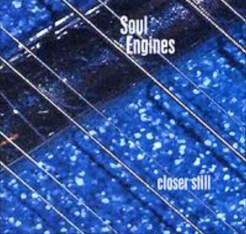
The Soul Engines hail from the Jersey shore and apparently put out a few albums, though only 2002’s Closer Still is widely available. If their other records are even half as good as that one, the world is missing out on some pretty incredible music. The whole album is a pretty solid genre-crossing effort, a perfect melding of old rock and roll, Everly Brothers’ style country harmonies, and upfront melody. But two songs stand out as extraordinary efforts: “It’s Just Another Day” and “Tomorrow’s Girl.” I can’t stop hitting replay on these two tunes. “It’s Just Another Day” bursts open with a rapid fire smatter of jangly lead guitar that eases into the song with a nice organ backdrop. The guitars, organ and vocals play off each other with a sound reminiscent of a lot of western-style 1980s poprock like True West, Rank and File, and Canada’s Blue Rodeo. “Tomorrow’s Girl” kicks off with some great drumming that never lets the energy dissipate. It’s a tune with great swing and harmony vocals: the whole arrangement of the song is perfect, there just isn’t a note out of place. These songs would be in heavy rotation on Poprock Record radio!It’s Just Another DayTomorrow’s Girl
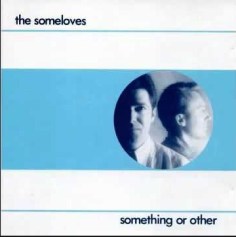
The Someloves are yet another example of the seemingly endless poprock talent pool that is Australia. Formed in Perth in the mid-1980s, the band released a handful of singles and just one album, 1990’s Something or Other. In this case, the lack of success is a bit easier to understand as one half of the band’s creative duo simply refused to tour in support of their recordings, killing their record deal. Still, there have been non-touring success stories in rock and roll and given how drop dead amazing their lone album is, the lack of accolades and gold records remains surprising. I mean, check out the killer roll out of “Know You Now.” It’s all ringing guitars and The Three O’Clock-style breathy vocals that builds to an catchy chorus and then back to more ringing chords. It’s an intense three minutes and 49 seconds of poprock. “Sunshine’s Glove” works a similar formula but ups the melody enrichment, allowing the ringing guitars to echo the hooks. Pretty addictive stuff as a kind of double A-side single. The good news here is that unlike the Soul Engines, a fabulous double CD greatest hits retrospective is available for The Someloves: 2006’s Don’t Talk About Us.Know You NowSunshine’s Glove
Hey, it’s never too late to make these guys the stars they deserved to be. Check out the recordings they have available on iTunes and with other sellers. Contacting bands that don’t exist anymore is a bit more problematic but not impossible. The songwriters from the Soul Engines have a number of new projects on the go and can be contacted on their Jenny Pilot’s and The Susan Rumors sites. Don Mariani from The Someloves has solo recordings and work with The Stems and DM3 available and can be reached at his website and on Facebook.
Speaking of Facebook, I discovered these two acts via some great Facebook music groups: I Love Power Pop and Power Pop Rock. There is so much to know – it’s great to have help.
To call someone a journeyman is no slight. It means they are skilled and have done their time in the trenches. A journeyman delivers in a solid and dependable way, even if they don’t get all the glory. Fame and success is – above and beyond a certain level of talent – fickle, arbitrary, and often fleeting. Our three journeyman poprockers have kept soldiering on in their careers, dependably putting out great songs, with less than their fair share of fanfare.
I have to begin with Dan Israel, our poster boy journeyman. Slogging it out in clubs with various bands stretching back to the 1980s, Israel went solo in 2000 and has since released ten albums, all mining a solid melodic rock and roll sound, while holding down a regular day job. Watch the video documentary below about Israel and his day job as a statute revisor for the Minnesota Legislature to get a sense of his double life. It adds a welcome dose of reality to how doing music as a job really works, or doesn’t, as the case may be. While movies showcase bands being discovered and suddenly spending all their time doing music, the reality is that most aspiring artists have to pay the bills doing something other than the music they love.
Musically, Israel’s work falls into that broad Americana of poprock: a bit of folk, a bit of Bruce Springsteen, a bit of Creedence or Tom Petty. Check out the great organ and background vocals on “Stranger Things” that appeared on his comprehensive and cleverly titled Danthology. I love the simple acoustic but hooky arrangement of “Last Words” from his debut solo album, the self-deprecatively entitled Dan Who. Interestingly, one of his strongest efforts for me was the recent 2015 album Dan, with its killer swinging single, “Be With Me” and “You Don’t Love Me Anymore.”
Stranger ThingsLast WordsBe With Me
I’m not sure if Joel Boyea is a journeyman, but I think he is. For a guy with record out, this artist leaves a very light imprint on the ole internet. Still, a bit of digging turned up a few facts. His 2012 album Please Don’t Eat the Daisies gathered together 19 of his demos recorded over a twenty-year period, and that alone would indicate a guy plugging away at his craft. Self-described on his Bandcamp page as “a guy who will probably never quit his day job” he did manage to “bust out of his home studio in the summer of 2015” to professionally record a killer record, Here Again, and Lost. The transformation from bedroom demos to a full band recording (supported by sometime members of the Verve Pipe, Andy Reed and Donny Brown) is nothing less than astonishing. Highlights for me include the obvious single, the insistent “Upbeat,” “Breaking Up” with its lovely vocal arrangement, and the poprock gem “You and Your Love.” A shout out for the touching gay-positive ballad, “Outwitted.” He also does a nice cover of Nick Lowe’s “Time Wounds All Heels” in the video below.
Frank Marzano is a force to be reckoned with. Mild mannered math teacher by day, relentless live performer and self promoting recording artist all the rest of the time. Marzano has spent more than three decades trying to break into the music business, playing in bands, and making recordings. His work is an eclectic mix of 1960s influences, particularly 1950s and 1960s poprock and the Beatles. “Hit the Bricks” from his 2012 album The Boy Who Always Got Picked Last showcases his strengths, a catchy tune cast in that innocent 1970s pop remaking of early 1960s songcraft, with great bass and lead guitar. “Huge Rock Star” from the same album could be Marzano’s life story. Indeed, the protagonist is probably also the singer and songwriter, urging himself to keep plugging away despite the lack of much success. Marzano’s production and arrangement of the songs is crisp and refreshingly straightforward while his vocals have an original sound which I find both earnest and often endearing. 2015’s American Proust continued in the same vein, with “Love’s the Only Way Home” a particularly strong track due to its very catchy chorus. He also has a great cover of Lennon and McCartney’s “Bad to Me” on a poprock tribute album.Hit the BricksHuge Rock StarLove’s the Only Way Home
Better late than never must be the maxim of journeymen everywhere when it comes to getting the fan love. Send some now to Dan Israel, Joel Boyea, and Frank Marzano in the usual sort of internet locations.
Before the I started this blog I already had a huge stack of material I’d been gathering for over a year or so – great stuff that deserves a wide audience, songs you might have missed. So today we go back to the vaults to ensure that rock and roll never forgets.
Andy Reed is a member of that immensely talented group, the Verve Pipe. Not only have they put out a load of great albums, including some for children (which is much harder to do well than most people think), the band has spawned of host of great solo projects. Reed’s band An American Underdog has one album, 2011’s Always On the Run, which is chock full of poprock gems like the carefree, hooky “I’ll Miss You Girl” and crunchy “Nothing I Can Do.” Also, check out Reed’s killer solo version of Elvis Costello’s “Crimes of Paris.” He takes just a bit of the edge off the Costello version and ups the pop quotient – lovely!
Like so many talented musicians of his generation, Adam Merrin has made his career by mostly placing his music in TV shows rather than releasing albums under his own name. But the two that have emerged, 2007’s Have One and 2009’s Have Another One, are delightful low key pop excursions. “Our Love is True” opens with a catchy guitar hook before leaning more on keyboards to drive the song while “Fallen for You” builds to a super chorus. “This is How You Are” has a great total sonic ambience, mellow but unrelenting.This is How You AreOur Love is True
Canadian Dave Rave keeps churning out great poprock. From a pretty stunning beginning playing on Teenage Head’s boppy single “Let’s Shake” back in 1980, Rave has branched out with a host of different solo projects over the years. Pick any period and you’ll find some great material. “All of the Love You Can Handle” is from his 2010 album Live with What You Know and what I like here is the strong vocal, just ever so slightly reminiscent of the Moody Blues in their more poprock period. This one will get in your head one night and fail to check out the next morning.
Reviewers often mention Summer Fiction and the Beach Boys in the same breath. Sure I guess its there in the same way that every artist with a wash of breathy background vocals and hints of 1960s melody is another bastard child of Brian Wilson. But I hear something much more original in Summer Fiction’s dialectical synthesis of 1960s influences. For instance, there is mordantly sad quality to the vocal style that contrasts the peppy upbeat harpsichord of “Chandeliers” that is pleasantly jarring. You know this guy is the broody poet type but, like Morrissey before him, he just has to juice the depressing lyrics with far out jangly guitars and hooks. I also love the quiet intensity of “Throw Your Arms Around Me” and the easy swing of “By the Sea” from the 2010 debut album. 2015’s Himalaya ups the jangle factor on tracks like “On and On” and the clearly Smithsian-influenced “Perfume Paper.”
What is it with Sweden these days? For a long time it seemed ABBA was it in terms of musical exports – now a flood of great acts are hitting the beach like a new invading force. The Genuine Fakes have a cute cover of Frozen’s “Do You Want to Build a Snowman” as well as a number of holiday tunes but these songs obscure their more serious material. “I Want to be a Stranger” is a good example, at times low key, at others killing it with strong hooks, great poprock vocals, and a groovy organ and guitars.I Wanna be a Stranger
The Honeydogs have all the markings of a classic rock and roll outfit – think Tom Petty and Heartbreakers or even the Replacements. Adam Levy writes everyman songs that are relate-able. There are too many choices from the catalogue I could make but I really like “Too Close to the Sun” from 2006’s Amygdala: the solid acoustic guitar backing, cool organ, tight vocals. This is poprock magic, a really perfect single. “Losing Transmissions” from 2001’s Here’s Luck is pretty special too in a more rock and roll vein. Check out their recent release Love and Cannibalism for more of same.
Over to the wet coast for Seattle’s Ransom and the Subset. This band’s 2014 album No Time to Lose deserves to be a big hit, the whole thing is solid and eminently enjoyable. Their love of Fountains of Wayne comes through but in a subtle way, for instance on tracks like “Questions” and “When Will I See You.” But the standout track is the amazing “Anna,” a single so perfectly sculpted into shape it screams AM radio hit.
I have Powerpopulist to thank for today’s content. Sometimes you’ve got to hear about it from far away to appreciate the hometown crews!
The Drywall Heels immediately caught my attention with their hilarious ode to suburbia, “Richmond Hill.” Their just released, self-titled EP is all pretty solid with a nice 1960s meets 1980s indie sound on tracks like “You Should Know,” “Questionable,” and “Claudia.” A few months ago the band released the single, “Christine,” which has a slightly more poppy 1960s feel.
Another great suggestion is The Seams, described by most media as an indie supergroup as it draws its members from a variety of other Toronto bands for this project. Again, the 1960s+1980s sound is there, with a more psychedelic reverb on the vocals and some sparkly guitars. The first song on their album Meet the Seams (with its cool cassette insert artwork) is a catchy number with the same name as the band while track two, “Seeds,” has a great poprock swing. Other highlights include “Remembrance Day” and “ADHD.”
I’m looking forward to seeing these bands live! Information about The Drywall Heels and The Seams can be found on their respective Facebook pages.
 Some bands throw their guitars to the front of mix or offer up some hooky guitar lick that drives the song. This post features songs from bands where the guitar attack is a key part of the charm but none take up the challenge in quite the same way.
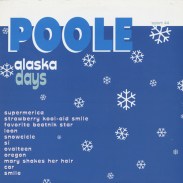 Poole’s “Supermerica” blasts open with a guitar storm not unlike more than few singles from Fountains of Wayne but the vocals have more of a Bob Mould solo tinge. The band put out three albums in the 1990s but didn’t really take off, sadly, as their 1995 debut Alaska Days is fantastic and features this song. The Travoltas drop into “I’m Sorry” with crunchy load of rhythm guitar before settling into a great poprock sound that the Dutch seem to have patented in recent years with bands like this one and Tommy and the Rockets.
 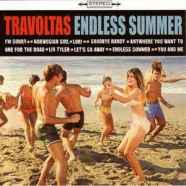 This song has nice of dose of Beach Boys harmony about two-thirds of the way through, not surprisingly given this 2002 album title is Endless Summer. The band’s most recent album, Until We Hit the Shore, continues to mine this beach-infused party punk sound.
 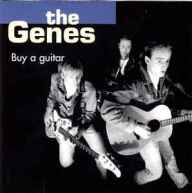 Australia’s Genes or The Genes (depending on the recording) make their acoustic guitars jump out of the speakers on tracks like “A Smile Will Do” and “I Know.” Our featured track is from their 1995 record, Buy a Guitar, and the whole record is pretty consistently acoustic guitar dominant in ways you didn’t really think possible. Of the three bands, only the Travoltas seems serious about promoting their music online. You will search in vain for much info or a website for the other two.I’m SorryA Smile Will Do
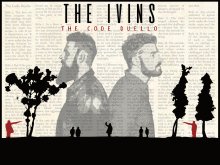 Of the bands featured in this post, The Ivins probably most fit the bill of potential mainstream rock success with “Roam the World” from their new album, The Code Duello. Eclectic Music Lover put me on to them and this song rumbles into life with a killer echo-y guitar riff. The style is very old-school FM radio rock, less poprock, but the brothers who comprise the band have a killer harmony sound that ups the melody quotient at various points in the song.
 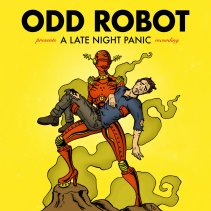 By contrast, Odd Robot give off an indie vibe both in terms of their guitar sound but also their vocal style. I love how it all comes together on our featured song “Take With Two White Pills” from their recent album A Late Night Panic. The guitars and vocals are some great poprock, tweaked with just a hint of that discordant indie élan. Wrapping up this post is recovering noise punk band, Terry Malts. I say ‘recovering’ because the boys appear to be changing their stripes with this most recent single “It’s Not Me” but there are indications that old habits die hard.
 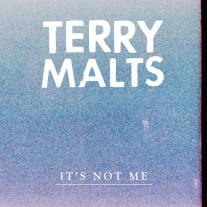 The song opens with a crisp lead guitar line that loops around as the main hook of the tune while the vocals are bit more shoegaze. It’s a really great poprock single but it is about the only one in their extensive catalogue. Ok, I shouldn’t be greedy, one song is better than none. However, when I saw the band recently in Toronto even this song got the noise punk treatment. Would love to see more songs in this vein from the band.
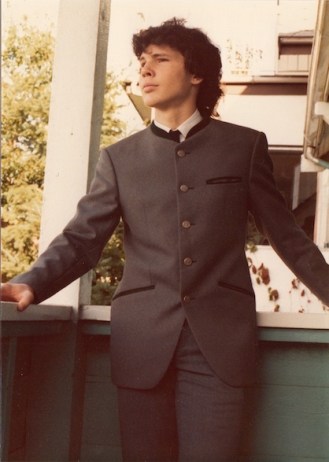 It was 1982. I was 17, gay as springtime, and loved rock and roll. Musically at that time I would find myself caught between different worlds – there really wasn’t any place to call home. That same year a friend of mine and I snuck into our first gay bar. I thought it was going to be great, to finally be somewhere full of other gay people. But I just couldn’t get past the terrible music. It was all tuneless dance beats, nary a guitar or a melodic hook in sight. I thought of myself as pretty well informed about all kinds of music even then but all night I didn’t recognize a single song. Years later I would come to appreciate why gay popular culture had evolved as it had, why a certain kind of music dominated the scene then. But at the time I experienced it as incredibly alienating. Just another place I didn’t fit in.
 And then came The Smiths. There may have been acts that I liked more at the time but none affected me as profoundly as this Manchester quartet. I found a copy of “What Difference Does it Make” in the discard pile at my radio broadcasting school and it blew my head off. The guitar hook immediately had my full attention but the lyrics were also startling – this was my life in a rock and roll song, something that had never happened before. I immediately set out to find more and picked up the BBC sessions/compilation album Hatful of Hollow. The fall of 1984 was all Smiths, all the time. The songs were so obviously about working class gay experience – “William, It Was Really Nothing,” “This Charming Man,” “Handsome Devil,” etc. – that it was painfully embarrassing to see Morrissey equivocate about his sexuality in later interviews. British artists in the 1980s seemed divided about taking a stand on gay identity with Morrissey and the Pet Shops Boys avoiding the issue while others like Bronksi Beat wrote powerfully direct songs like “Small Town Boy.” Later Smiths albums were definitely more oblique about sexuality, but it didn’t matter. The early recordings broke through a barrier of rock and roll masculinity, proving to be as exciting as any previous three chord wonder. Others would take note.
 Many years later a
  With seven albums of original material there is simply too much to review here but I could easily single out a host of songs from across their catalogue. From the early period I would note the above-mentioned songs from Undressed, “Don’t Be So Sure” and “Kevin” from 1996’s Wish I’d Taken Pictures, and “Sweet Insecurity” and “Used to Turn Me On” from 1998’s Absurd Pop Song Romance. The band branches out stylistically in the new century with some new guitar sounds and song structures. 2003’s Total Entertainment comes on like a rush of adrenaline with a new sonic mix on tracks like “When He Comes Home,” “Not Good Enough for You,” and “First Betrayal,” while 2009’s That’s So Gay pumps the politics quotient on “Some of My Best Friends” and the ‘not taking ourselves too seriously’ factor on “Dirty Young Man” and “Pat Me on the Ass.” 2016’s Quite Contrary album mimics the cover of their Wish I’d Taken Pictures record released twenty years earlier, replacing the strapping lads of the original with the band’s now aging selves, though they still seem to be cavorting and having a good time. The song themes too reflect their present gay circumstances with issues like the ongoing religious attacks on queers in the US in “Blame the Bible” or aging in “(Is This What It’s Like) Getting Old.” Being from Canada, I have to high five Pansy Division’s ode to our great white north, “Manada” which manages to name check a host of Canadian cities and laud out boys, with versions in both English and French! These guys are a class act.
 In the end, the question remains: is it really that important whether a band is gay or not? Yes and no. As I’ve grown older, more comfortable and confident about who I am, I don’t necessarily need to be surrounded by reflections of myself. I love all kinds of music regardless of sexuality or any other kinds of identity markings. But when we are young it is terribly important to see ourselves in popular culture. To be invisible in the world is to be invisible to ourselves. To have our hopes and dreams, heartaches and disappointments given expression in culture is to be part of the broader world. Indeed, to identify across our differences requires first that those differences be articulated. Perhaps it is easier for a rock and roll gay boy today. I hope so, though we should never underestimate how hard it is to be different. Despite the gains in social tolerance, western societies remain profoundly conformist in a host of ways.
 What is it with guys and record collections? While I think things have changed a bit recently, coming of age in the 1980s the record store and music obsessions were predominantly male preserves. Nobody captured it better than Nick Hornby in the first chapter of High Fidelity, which opens with the male protagonist deciding for the umpteenth time to reorganize his record collection, this time in the order he purchased them. I remember looking up from the book thinking ‘somebody’s been watching me …’
 So here are two songs that capture the traditional range of views about women and record collections. In one, the singer is delighted to find a girl with a serious record collection, noting she “blew me away, with her 45s, they’re all alphabetized …” But in the other, the narrator “did a quick inspection and found [her] ELO” and dumps her, directing her to “take your record collection and go.” In either case, the serious female record collector is either a surprise or unthinkable. Yet both songwriters are clearly mocking this sort of narrow thinking.
 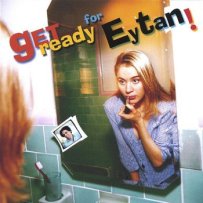 Eytan Mirsky has a large body of hilarious, self-mocking poprock. One album features a pathetic looking Mirsky slouching in a chair as some girlfriend’s luggage is heading for the door – the album title? Was it Something I Said? On his song “Record Collection” (from Get Ready for Eytan!) the shallowness of his male narrator deciding to dump the girl he’s moved in with over some supposed musical indiscretions is both mocked and yet somehow also sadly believable. Meanwhile, producer extraordinaire Fernando Perdomo offers up two distinctly different versions of his charming “Girl with a Record Collection,” one leaning on a jangle poprock sound while the other exploits a more poppy arrangement.
 I wonder sometimes if the mail person has mistaken my address for Quality Street because the submissions arriving in the Poprock Record mailbag have been pretty spectacular. This week’s selections run the gamut of cabaret pop, textured top 40, straight up party rock and roll, and punky riffsters.
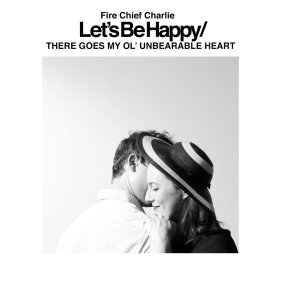 The tuneful Adam Merrin (we featured him
  The new record from Tiny Animals comes a long six years after their last long player. To make up for lost time, they have crafted a full blown concept album, Such Stuff That Dreams Are Made On, that takes us through a night of dreaming and the bleary, sometimes nonsensical imagery that accompanies sleep (or the lack thereof). As with previous Tiny Animals albums, the sound is crisp and finely textured, often built up layer by sonic layer. The songs are sequenced seamlessly without break but some contributions are more single-ready (some more experimental) than others. I would send radio “She’s Gonna Find Out” with its quirky and catchy opener, the hooky “Stalker” which features some great vocal effects, the strolling-on-a-sunny-day “Wait, Wait, Wait,” and the band’s own choice for first release and video, “Up, Up, and Away.” And in something totally unrelated to this release, check out the band’s hilarious medley of 1980s sitcom theme songs!She’s Gonna Find OutUp, Up, and Away
 The Popravinas have a easygoing, melodic rock n’ roll sound – they perform like they’ve been playing together forever. Their sound combines both acoustic and electric guitars, punchy lead lines, AM transistored vocals, a bit of California country rock at times, and a general party vibe. The whole album is enjoyable but “Santa Monica Moon,” “Wow,” and “Top of the Heartache” are stand out tracks for me. Still, if I had pick something for a single I think I’d go with “Alone Ain’t So Bad” with its slightly stronger edge of rock and roll insurgency, nice vocal arrangement, and just a bit of banjo. Hit play and let the beer flow.
 We torque up the rock quotient with selections from Picnic Tool’s tart and saucy EP Einstein. The title track is a talky, rumbly rock workout full of hilarious asides, while “Chinese Heart” has a more spare sound, held together by a strong, hooky lead guitar line. By comparison “I Love the Truth” sounds more conventional if only because it features actual singing along with some nice harmonica breaks, built on a great neo-1950s music bed. Things wrap up with the fun “… About Gurls,” a crisp new wavey number full of super riffs. And then, it’s over. Even for an EP Einstein ends all too soon.
 Dramatic, almost Queen-like in its changes and intensity, V Sparks grabs you and doesn’t let go on its New Sensation EP. While the record has a number of strong songs, I remain most captivated by “Death of a Star.” From the opening keyboards, the song twists and turns so often you may feel it has lost its way. But when it hits the chorus you’re in a melodic sweet spot that you just don’t want to end. A remarkable effort that makes you wonder where this band will go next.
 So many would-be hits have ended up in the equivalent of a rock and roll wasteland: the cut-out bargain bin, unheard and/or underappreciated. What if those great tracks could be resurrected in a different time to more appreciative ears? Today’s time capsule top five gathers up a number of strong singles that deserve another crack at the hit parade.
 The Dogs were a French punky new wave band, particularly active recording-wise from the late 1970s to late 1980s. Like Elvis Costello, they evolved from pub rock into something harder, taking punk’s influence to sharpen their basic rough-edged rock and roll sound on albums one and two before attempting a more commercial breakthrough on a record number three, Too Much Class for the Neighbourhood. By contrast, their fourth album, 1983’s Legendary Lovers, represented a return to some of their earlier rough edges, ably demonstrated on the fantastic single, “Never Come Back.” This is an uber cool sound – check out the ringing guitars and the heavily French-accented English pronunciation. By all accounts The Dogs were a legendary live band, something that really seems obvious from the evident and palpable excitement oozing from this recording.Never Come Back
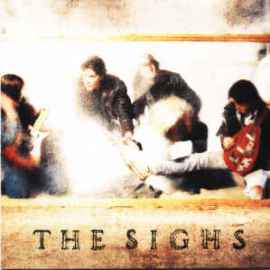 The number of bands whose albums got lost in the various record label merger and acquisitions that took place throughout the 1990s would include The Sighs. Originally signed to Charisma/Virgin, their 1992 debut What Goes On failed to excite EMI, the new owners, who let it stall with lacklustre promotion. The band’s second album four years later also failed to take off. And that is shame. Just listen to “Make You Cry” with its jangly opening and incredibly catchy chorus, the latter featuring a stunning harmony vocal. When I first heard the band hit the “he’ll make you cry” line it literally stopped me in my tracks. This should have been a break out hit single.Make You Cry
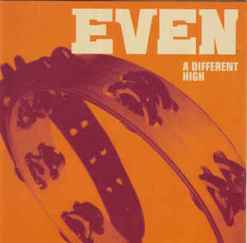 Even’s “Seconds” is an amazing 1960s-inspired single from their 2001 album A Different High. Well, actually, it wasn’t the official single, but this scribe thinks it should have been. The hypnotic hooky lead line, the super Beatles’ Rubber Soul-era vocals, the overall chimey-ness of the sound – surely this says hit material. Perhaps things could have turned out different for Even, an Australian outfit perennially at the top of the critics’ lists but not the charts, if this had been the official 45 shipped to radio? I know, probably not. But it remains at the top of the Poprock Record charts. Actually, a great deal of Even’s catalogue is in high rotation around here. This tune is just the tip of a great songcraft iceberg. You really can’t go wrong with any of their six albums and three EPs.Seconds
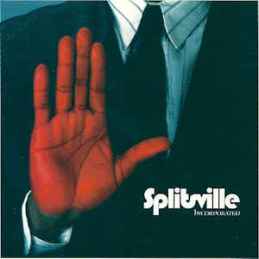 The sibling two-thirds of Greenberry Woods split off to form Splitsville in the late 1990s, eventually releasing five albums between 1997 and 2003. For a band with that much material, they leave a surprisingly light imprint on the ole internet. Influences abound on their music – Teenage Fanclub, Matthew Sweet, as well as all the usual 1960s suspects (e.g. Beatles, Beach Boys, etc.). “I Wish I’d Never Met You” is from their last album, Incorporated, and it is definitely channeling a bittersweet Teenage Fanclub feel both musically and lyrically.I Wish I’d Never Met You
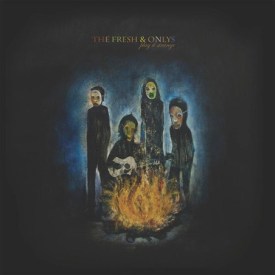 A quick listen of “Waterfall” from San Francisco’s The Fresh and Onlys might have you scratching your head at descriptions of their sound as garage rock. Garage pop maybe. Sure the vocals hover with that distinctly sixties garage rock ambience but the guitars are wonderfully melodic, both the rumbly one that anchors the versus and the more buoyant one that anticipates and rides through the chorus. Aptly named, “Waterfall” it’s a song that rushes over you in a most pleasant way.
 There was a group of kids in high school who were into all the punk and early post-punk material. I could dig some of the sentiments but just couldn’t hear the tunes. That’s why I steered more to the new wave side of the street: Elvis Costello over the Damned, the Jam over Sex Pistols, and the mid-to-late period Clash over the early Clash. But if we see punk as more a sentiment than a genre, then we can always find a number of acts punking up the perimeters of poprock. Today we explore that punky poprock sentiment.
 We begin – where else? – Austin, Texas. The Republican voting, open-carry gun-toting, millennial-cult-confronting state also breeds a damn fine indie music scene. Jonly Bonly exemplify that tradition with a cool rush of adrenaline-soaked punky poprock on their debut album, Put Together. I love the kick off to “I Don’t Mind” – so 1960s garage rock – and then the catchy lead guitar line that threads its way throughout the song. “Never Thought I’d Die” has a nice hook and an interesting mix of guitar sound, as does “Long Distance.” All three songs are strong on melody.
 The Lowboys take us somewhere in Virginia, the band being mostly the work of Joseph Hurlock, described on Facebook as a “song guy from VA.” The performances here all have a wonderfully chaotic feel to them. “Defense Mechanism” is a song that often seems to be hanging on to its structure by a thread, given the endearingly shambolic vocal, but the basic hook survives and the chorus hints at a more straight up poprock potential. Don’t miss the eccentric solo. “Don’t Fail Me Now” is another good song that meanders out of the gate but somehow really comes together in the chorus.
 Last up is Volcano, I’m Still Excited, an Austin-meets-Brooklyn combo that vocally reminds me of Everything Everything on their only single, “In Green.” The song is a work of subtle discordant genius and clocks in at just over two minutes. As quickly becomes apparent in listening through their self-titled debut (and only) album, these guys have the musical chops but they make their cuts in the most unexpected places.
 I guess I lived in a 1960s bubble. Growing up with my parents’ record collection it seemed that if the music was catchy and the performance was strong then it would be hit. But I think it was the stalling of Marshall Crenshaw’s career after Field Day that woke me up to fact that not all great music gets to be widely popular. There is an inescapable randomness to it all. You don’t get two more clear examples of the fickleness of the fame god than Soul Engines and The Someloves. Today’s tracks are red-hot bona-fide should-be hits.
 The Soul Engines hail from the Jersey shore and apparently put out a few albums, though only 2002’s Closer Still is widely available. If their other records are even half as good as that one, the world is missing out on some pretty incredible music. The whole album is a pretty solid genre-crossing effort, a perfect melding of old rock and roll, Everly Brothers’ style country harmonies, and upfront melody. But two songs stand out as extraordinary efforts: “It’s Just Another Day” and “Tomorrow’s Girl.” I can’t stop hitting replay on these two tunes. “It’s Just Another Day” bursts open with a rapid fire smatter of jangly lead guitar that eases into the song with a nice organ backdrop. The guitars, organ and vocals play off each other with a sound reminiscent of a lot of western-style 1980s poprock like True West, Rank and File, and Canada’s Blue Rodeo. “Tomorrow’s Girl” kicks off with some great drumming that never lets the energy dissipate. It’s a tune with great swing and harmony vocals: the whole arrangement of the song is perfect, there just isn’t a note out of place. These songs would be in heavy rotation on Poprock Record radio!It’s Just Another DayTomorrow’s Girl
 The Someloves are yet another example of the seemingly endless poprock talent pool that is Australia. Formed in Perth in the mid-1980s, the band released a handful of singles and just one album, 1990’s Something or Other. In this case, the lack of success is a bit easier to understand as one half of the band’s creative duo simply refused to tour in support of their recordings, killing their record deal. Still, there have been non-touring success stories in rock and roll and given how drop dead amazing their lone album is, the lack of accolades and gold records remains surprising. I mean, check out the killer roll out of “Know You Now.” It’s all ringing guitars and The Three O’Clock-style breathy vocals that builds to an catchy chorus and then back to more ringing chords. It’s an intense three minutes and 49 seconds of poprock. “Sunshine’s Glove” works a similar formula but ups the melody enrichment, allowing the ringing guitars to echo the hooks. Pretty addictive stuff as a kind of double A-side single. The good news here is that unlike the Soul Engines, a fabulous double CD greatest hits retrospective is available for The Someloves: 2006’s Don’t Talk About Us.Know You NowSunshine’s Glove
 To call someone a journeyman is no slight. It means they are skilled and have done their time in the trenches. A journeyman delivers in a solid and dependable way, even if they don’t get all the glory. Fame and success is – above and beyond a certain level of talent – fickle, arbitrary, and often fleeting. Our three journeyman poprockers have kept soldiering on in their careers, dependably putting out great songs, with less than their fair share of fanfare.
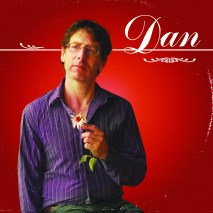 I have to begin with Dan Israel, our poster boy journeyman. Slogging it out in clubs with various bands stretching back to the 1980s, Israel went solo in 2000 and has since released ten albums, all mining a solid melodic rock and roll sound, while holding down a regular day job. Watch the video documentary below about Israel and his day job as a statute revisor for the Minnesota Legislature to get a sense of his double life. It adds a welcome dose of reality to how doing music as a job really works, or doesn’t, as the case may be. While movies showcase bands being discovered and suddenly spending all their time doing music, the reality is that most aspiring artists have to pay the bills doing something other than the music they love.
 I’m not sure if Joel Boyea is a journeyman, but I think he is. For a guy with record out, this artist leaves a very light imprint on the ole internet. Still, a bit of digging turned up a few facts. His 2012 album Please Don’t Eat the Daisies gathered together 19 of his demos recorded over a twenty-year period, and that alone would indicate a guy plugging away at his craft. Self-described on his Bandcamp page as “a guy who will probably never quit his day job” he did manage to “bust out of his home studio in the summer of 2015” to professionally record a killer record, Here Again, and Lost. The transformation from bedroom demos to a full band recording (supported by sometime members of the Verve Pipe, Andy Reed and Donny Brown) is nothing less than astonishing. Highlights for me include the obvious single, the insistent “Upbeat,” “Breaking Up” with its lovely vocal arrangement, and the poprock gem “You and Your Love.” A shout out for the touching gay-positive ballad, “Outwitted.” He also does a nice cover of Nick Lowe’s “Time Wounds All Heels” in the video below.
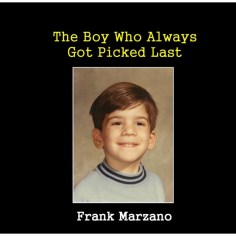 Frank Marzano is a force to be reckoned with. Mild mannered math teacher by day, relentless live performer and self promoting recording artist all the rest of the time. Marzano has spent more than three decades trying to break into the music business, playing in bands, and making recordings. His work is an eclectic mix of 1960s influences, particularly 1950s and 1960s poprock and the Beatles. “Hit the Bricks” from his 2012 album The Boy Who Always Got Picked Last showcases his strengths, a catchy tune cast in that innocent 1970s pop remaking of early 1960s songcraft, with great bass and lead guitar. “Huge Rock Star” from the same album could be Marzano’s life story. Indeed, the protagonist is probably also the singer and songwriter, urging himself to keep plugging away despite the lack of much success. Marzano’s production and arrangement of the songs is crisp and refreshingly straightforward while his vocals have an original sound which I find both earnest and often endearing. 2015’s American Proust continued in the same vein, with “Love’s the Only Way Home” a particularly strong track due to its very catchy chorus. He also has a great cover of Lennon and McCartney’s “Bad to Me” on a poprock tribute album.Hit the BricksHuge Rock StarLove’s the Only Way Home
 Before the I started this blog I already had a huge stack of material I’d been gathering for over a year or so – great stuff that deserves a wide audience, songs you might have missed. So today we go back to the vaults to ensure that rock and roll never forgets.
 I have Powerpopulist to thank for today’s content. Sometimes you’ve got to hear about it from far away to appreciate the hometown crews!
