Tags
Bill Kirchen, Brinsley Schwarz, Christie McWilson, Dave Edmunds, Elvis Costello, Esther Rose, Kippington Lodge, Little Village, Los Straightjackets, Martin Belmont, Nick Lowe, Paul Carrack, Rick Shea, Rockpile, Ron Sexsmith, Wilco

Nick Lowe definitely likes having a crew to hang with. His many solo records often feature the same names popping up again and again, some from former bands like Brinsley Schwarz and Rockpile, or just people he’s picked up along the way like Paul Carrack and Bill Kirchen. Now if only we could bring them all together in a huge Nick Lowe ‘abominable showmen’ revue … What a show that would be! Well, given the present pandemic state-of-the-world and myriad contractual conflicts and obligations that such an undertaking might bring up, my dream show seems unlikely. But nothing is stopping us from showcasing all that talent right here.
We kick off the show with Nick, of course. He’s got a fantastic new single, a cover of Garnet Mimms and the Enchanters’ 1963 tune, “A Quiet Place.” It’s another example of Nick’s amazing ability to breathe new life into rare oldies, backed once again by his recent stellar backers, Los Straightjackets. Compared to the original, Nick takes the song out of its original Sam Cooke-soul register, pushing a more Arthur Alexander country-soul feel. It’s a delightfully mellow and melodic rendition, highlighting Lowe’s masterly of the ‘roll’ side of rock and roll.
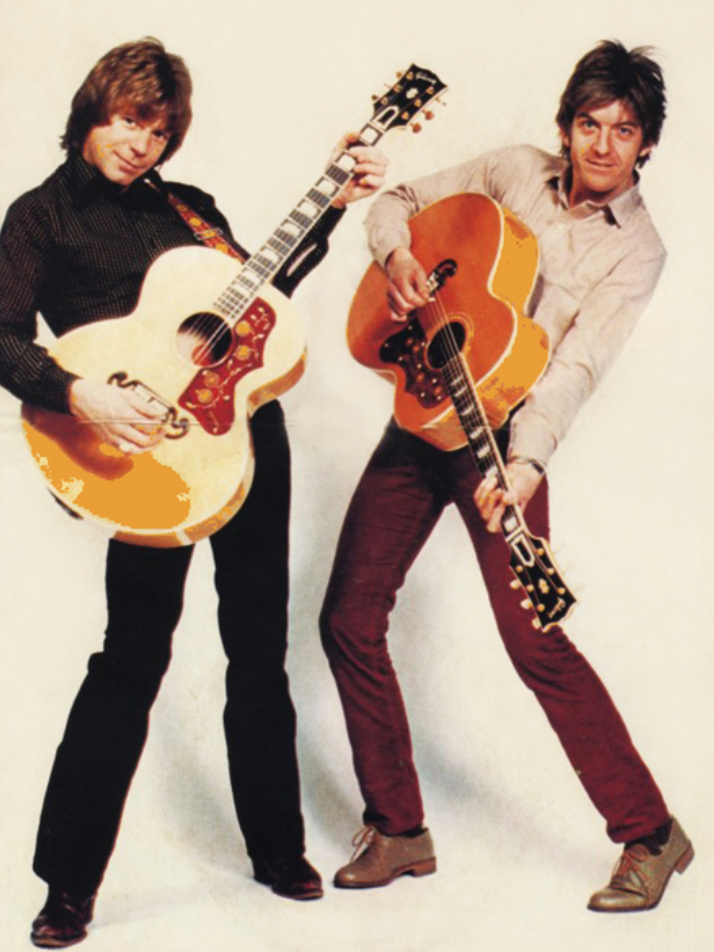
Career-wise, it’s clear that Nick’s a joiner. He’d just got a look in on the pop psychedelia of Kippington Lodge and wrote their only decent single of original material, “I Can See Her Face,” before the band morphed into Brinsley Schwarz. Fairly quickly, Lowe became their main singer and songwriter. But listen to their cover of The Hollies “Now’s the Time” from 1974’s New Favourites of Brinsely Schwarz to hear him working closely on the vocals with Ian Gomm, the band’s other main singer/songwriter (who famously cowrote Nick’s biggest solo hit, “Cruel to be Kind”). Nick’s next band was Rockpile, a group that recorded either one or six albums, depending on how you count them. Basically, contractual difficulties meant that most ‘Rockpile’ albums were credited to either Lowe or Dave Edmunds as solo artists with only 1980’s Seconds of Pleasure an official release. From the 1976 Edmunds release Get It Nick and Dave nail an updated 1960s-meets-new wave sound on “Here Comes the Weekend,” a song they co-wrote. Nick’s last stab at joining a group involved John Hiatt and Ry Cooder in the ill-fated Little Village project. The high hopes for a band with this combined talent failed to materialize, record-sales-wise. Too bad – Nick’s “Take Another Look” definitely showcases the band’s considerable talents.
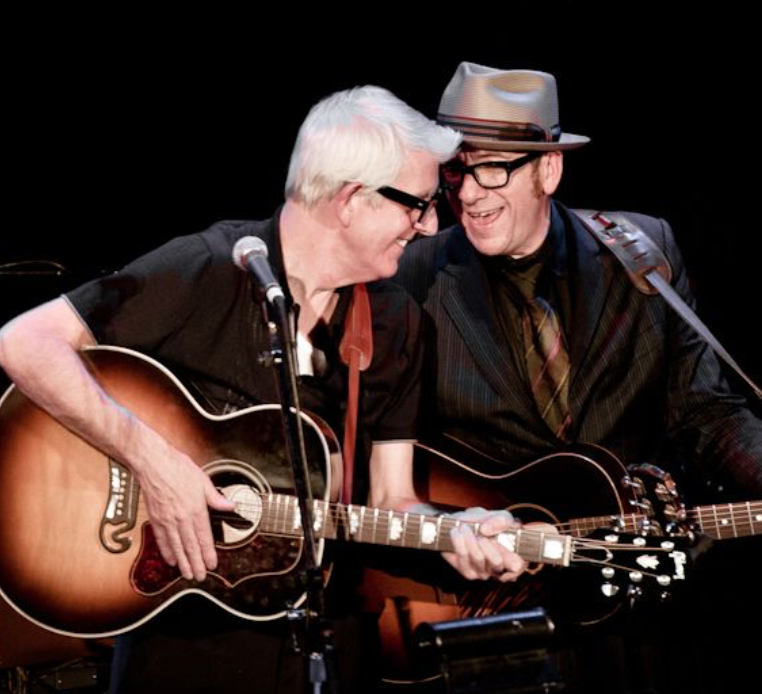
Outside of joining bands, Nick loves duets and guest appearances. He’s played on countless records by other people and they’ve returned the favour. He produced, performed on, and co-wrote a number of songs for Paul Carrack’s super solo album, Suburban Voodoo and Paul appeared in Nick’s backing band throughout most of the 1980s. I love their duet on “Wish You Were Here” from Nick’s 1983 record The Abominable Showman. Another artist Nick has spent a lot of time with over the years is Elvis Costello, producing his first five albums and one more later on. The two do a lovely cover of The Shirelles/Beatles song “Baby It’s You.” Old Brinsley Schwarz friends like guitar player Martin Belmont also reappear on Nick’s solo records. In return, Nick does the vocals on a somewhat different version of “A Man in Love” (a song from Nick’s 2007 At My Age record) on Belmont’s 2009 album, The Guest List. And then there’s people like Bill Kirchen, former member of Commander Cody and the Lost Planet Airmen and early Americana performer. His collaborations with Nick stretch from the 1970s to the present. “Shelly’s Winter Love” is a trio performance featuring Kirchen, Lowe and Carrack on vocals. The title sounds like classic Nick wordplay but it’s actually a cover of a Merle Haggard song from 1971.
Our show will need opening acts, of course, and here’s a chance to showcase artists that may not have worked with Nick officially but have either joined him live or delivered great covers of his songs. Two Nick Lowe tribute albums give us some direction here. Christie McWilson and Rick Shea offer up a lovely country-fied performance of “Never Been in Love” from 2005’s Lowe Profile: A Tribute to Nick Lowe while Ron Sexsmith puts his distinctive stamp on “Where’s My Everything” from the 2012 collection, Lowe Country: The Songs of Nick Lowe. Of course, if we’re aiming big, we could try to get Wilco to show with their 2011 take on Nick’s “I Love My Label.” More recently Esther Rose offers up an inspired reworking of one of Nick’s more recent songs, “Blue on Blue” from his 2019 EP Love Starvation/Trombone. Of course, if such an event as this could be pulled off the most appropriate opening act would be Los Straightjackets. Their 2017 album of guitar instrumental versions of choice cuts from Lowe’s catalogue, (What’s So Funny About) Peace, Love and Understanding, is outa-sight.
I got to see Nick Lowe live in each of the past three decades, on the Impossible Bird tour, playing solo with Geraint Watkins, and more recently with Los Straightjackets, and every time was special. My ‘abominable showmen’ review is unlikely to ever ‘tread the boards’ as Nick might say, but I’ll always have the records and the memories of those great shows. In the meantime, visit the above mentioned artists and don’t forget to drop in on Nick too.
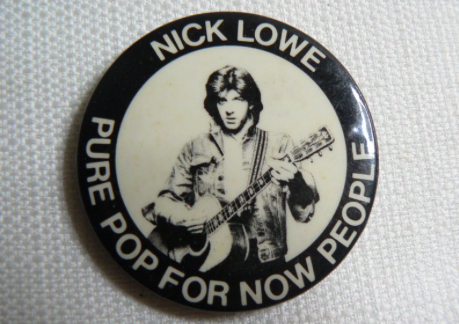 Throughout my life, Nick Lowe has been poprock constant. No matter what was going on, the arrival of a new Nick album was always an occasion. I probably first heard him as most other people did when “Cruel to be Kind” hit the radio in 1979, and Rockpile’s “Teacher Teacher” cemented my love of his style a year later. And what’s not to like? I had grown up consuming my parents’ record collection – Chuck Berry, Hank Williams, the Everly Brothers, Buddy Holly, the Beatles, etc. – and Nick was like a new wave synthesis of all those influences! Over the past four decades he’s grown as an artist, shifting his songwriting style and performance, but somehow managed to stay true to these roots. Currently on tour with retro rocking Los Straightjackets, Lowe continues to release great songs.
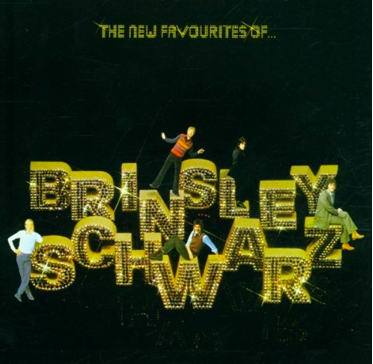 Discovering Lowe in 1979, I had to play catch up with his earlier career releases. “I Can See Her Face” from Kippington Lodge was Lowe first songwriting credit in 1969 and arguably that band’s best tune. From there Lowe wrote most of Brinsley Schwarz’s material over the course of six official album releases (seven if you include the long unreleased It’s All Over Now) from the early to mid-1970s and he would recycle some of that material later as a solo artist, most famously “Cruel to be Kind” and “What’s So Funny About Peace, Love and Understanding.” There’s some strong material on those records but “The Ugly Things” (from 1974’s New Favourites, later covered by Elvis Costello) really stands out for me as reaching the Nick Lowe solo-era standards for melody and hooks. Solo material started emerging in 1977 with the EP Bowi and various one-off singles (like the faux Bay City Rollers tributes or the label-ripping “I Love My Label”). Lowe’s first solo album, Pure Pop for Now People (or Jesus of Cool in the UK) contained a host of great songs (“Marie Provost,” “So It Goes,” “I Love the Sound the Breaking Glass”) but I think “Tonight” really captures Lowe’s talent for tuneful, ballady material.Brinsley Schwarz – Ugly ThingsNick Lowe – Tonight
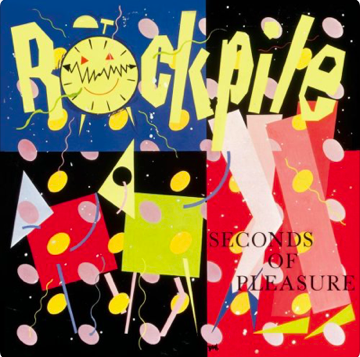 1979’s Labour of Lust would be Lowe’s breakout album, featuring his only American top 20 hit, “Cruel to be Kind.” But the album has real depth songwriting-wise with great rockers like “Switchboard Susan” and tender ballads like “You Make Me.” Personally, I was always drawn to the crashing intensity of “American Squirm” and the pop jauntiness of “Without Love.” Next up was Rockpile’s Seconds of Pleasure, where only six of the twelve tunes were penned by Lowe and that didn’t include the charting single, “Teacher Teacher.” Of the six, the sparkling jangle of “Now and Always” only slightly edges out “When I Write the Book” as the best Lowe tune on the album. By 1982 Lowe was back to being a solo artist but Nick the Knife failed to produce a charting single. Still, I love acoustic guitar-anchored “My Heart Hurts” and the wistful “Raining Raining.” 1983’s The Abominable Showman (despite its dad-joke worthy title) was a strong album, featuring a great organ-heavy Paul Carrack duet on “Wishing You Were Here.” But for me, “Raging Eyes” was the obvious single, while “Mess Around with Love” (Lowe’s reworking of his earlier Brinsley cut “We Can Mess Around”) was another highlight.
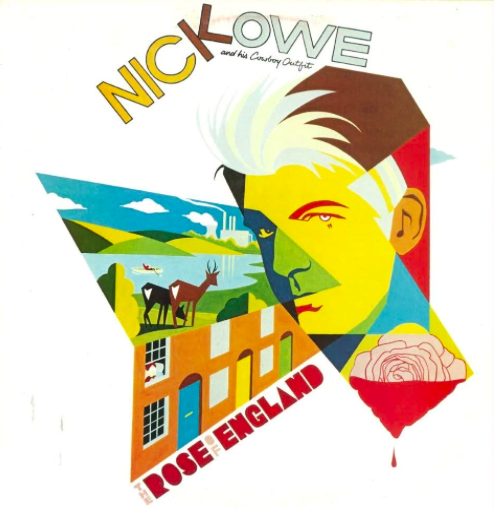 In 1984 Nick was an early adopter of the roots sound on his Nick Lowe and his Cowboy Outfit, a record that also contained a should-be hit single, “Half a Boy and Half a Man.” But I was more drawn to the poprock gems “Love Like a Glove” and “God’s Gift to Women.” 1985’s The Rose of England contained Lowe’s most naked attempt to get back on the charts with his own version “I Knew the Bride (When She Used to Rock and Roll),” a song previously popularized by his old pal Dave Edmunds on his 1977 album Get It. It proved to be a very minor hit that tended to overshadow just how strong the album was, particularly it’s folk-poppy title track and the inspired John Hiatt cover, “She Don’t Love Nobody.” Nick’s next two albums witnessed him struggling to find his place in the then contemporary music scene. Both 1988’s Pinker and Prouder than Previous and 1990’s Party of One had plenty to please Lowe fans but no hit singles that might expand that base of support. Still, for hooks, I’d single out “Wishing Well” from the former and “Who was That Man?” and “All Men Are Liars” from the latter.
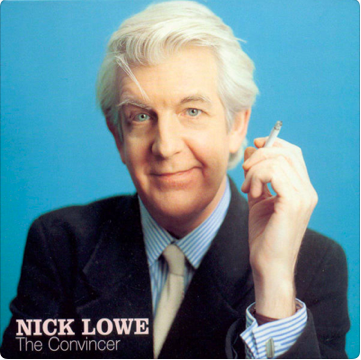 In 1992 Lowe took another stab at joining a band, this time Little Village with John Hiatt, Ry Cooder and Jim Keltner. With such an all-star line-up, excitement about the project was palpable, but the response to their sole album was lukewarm. Personally, I think Lowe’s turn on vocals is one of the record’s highlights on “Take Another Look.” Then Lowe shifted gears again, taking his albums into darker, more serious moods, with the release of The Impossible Bird (1994), Dig My Mood (1998), and The Convincer (2001). Here Lowe deliberately sought to reinvent himself as more introspective, mature artist, and the overwhelming critical response has been that he succeeded. Still, every album has a few more poppy numbers, like the uptempo “I Live on a Battlefield” or the more subtle earwormy “Indian Queens.” At My Age (2007) and That Old Magic (2011) lightened the mood somewhat, with the latter producing a particularly impressive range of material with songs like “Sensitive Man” and “Somebody Cares for Me.”
 Poprock Record