Tags
Andrew Weiss and Friends, Bory, Brother Dynamite, Eric Payne, Jake Bugg, Janne Borgh Fanclub, Joshua Jesty, Juliana Hatfield, Mark Ward, Ryan Allen, Sorry Monks, The Blusterfields, The Just Joans

Mayday is the international radio distress signal indicating that some kind of ship is going down. You say it three times just so there’s no mistake. Lately it’s been feeling like a succession of mayday moments the world over. The musical offerings here are all sounding some kind of alarm: social, political, individual. Take your pick.
Janne Borgh Fanclub kick things off with a song that heads right for the intersection of politics and popular culture we’re stuck into right now. “Poetry, Protest, and Pop Songs” is the title track of an album that wields some pretty mean jangle guitar riffs. If there’s any hope out there then a Rickenbacker will definitely be in the mix. Then The Blusterfields get to the point with “Here Come the Idiots.” Cutting lyrics are the order of the day here. And the tune is pretty sweet, kinda like XTC meets the Monkees. On “They’re Coming For Us” Ryan Allen makes it clear that sitting this one out is not an option. There’s a nice poppy bit of bridge work in this tune. From the EP of the same name you can also enjoy the incredibly hooky “This Ugly.” Style-wise the cover evokes all those old Billy Bragg album designs.
So what is to be done at this particular chaotic historical juncture? Responses vary. Andrew Weiss and Friends tells us “I Don’t Want to Live in This World Anymore.” It sounds like he’s turning away but the song is more about drawing a line in the sand about what you’re prepared to accept. With some great harmonica work. Sorry Monks cautions us to turn away from the bitter side of life on “Chip On Your Shoulder” with his usual Beatlesque aplomb. Just keep humming that chorus and who could be bitter? The pleasant surprise album from Juliana Hatfield and song co-writer Eric Payne Bets contains “Your Social Security.” And given clown car ride that is America’s current administration what might happen to it has got to be front of mind for a lot of people right now. Of course, if you’re looking for a dramatic exit, The Just Joans are suggesting that “Everybody’s Moving to Australia.” I’m not sure it’s really do-able for most people, particularly Australians. But it’s got a singalong swing to it that is certainly attractive. Of course, for a lot of people winging it is the most likely response to what is going on. Bory give breathy voice to such sentiments on “We’ll Burn That Bridge When We Get To It.” It makes this option sound so carefree, at least until things careen a bit more caustically in the instrumental break.
Now I’m not one for leaving things without direction. Joshua Jesty’s recent EP Orgone Box Sampler 10.23.25 riffs on a host of current governance problems, often with hilarious results. One song manages to madly repeat how someone has ‘put a tariff on you’ for just about everything. But the most pop oriented tune here is “Drop the Deadbeat.” The advice seems sound. Mark Ward has made a whole album decrying the problems of this moment. Godless Country has so many great cuts that call out who is responsible. “I Don’t Care” names names about this decades great cover-up and insinuates the rest. You know who he’s talking about here. Never has denunciation sounded so melodically sweet. Brother Dynamite also sharpen their lyrical knives on “Your Time Will Come” leaving little doubt who or what they are referring to. The message here is that what goes around will eventually come back around, delivered with a glorious chorus that feels more than a little uplifting.
Ending on a slightly different note, let’s face it, a lot of people are carrying on as if the world is not on fire. Jake Bugg really captures this reality on “Oblivious,” one of four cuts added to the expanded version of his 2024 album A Modern Day Distraction. The track sounds so guitar-ringing positive, despite its message. Sometimes you just have to smile through gritted teeth.
There’s a lot of ways to signal distress. We went the melody route. Help is just a hyperlink away with all the featured artists above.
Photo ‘The Andromeda Strain’ courtesy James Vaughn Flikr collection.

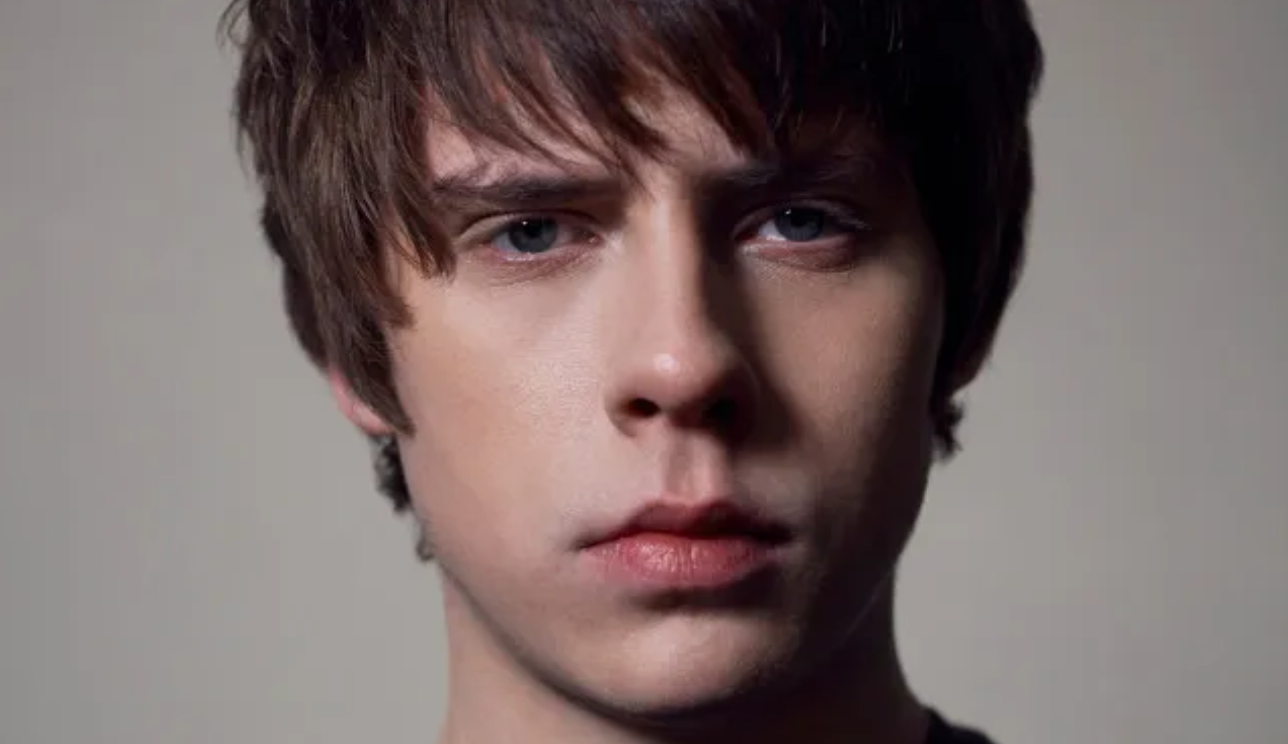
 September 2012 I casually checked out something called iTunes Festival on the Apple TV home screen and accidentally discovered Jake Bugg. The feeling was electric. Kinda like when I saw Tracy Chapman open for John Martyn in Manchester in 1988 three months before her breakthrough appearance at the Nelson Mandela concert at Wembley Stadium in London – everyone in that northern club knew we had just seen a major talent. Bugg’s debut album came out in October and it did not disappoint. Everything that made his iTunes performance amazing was there. Shockingly, the album opened at number one on the British charts.
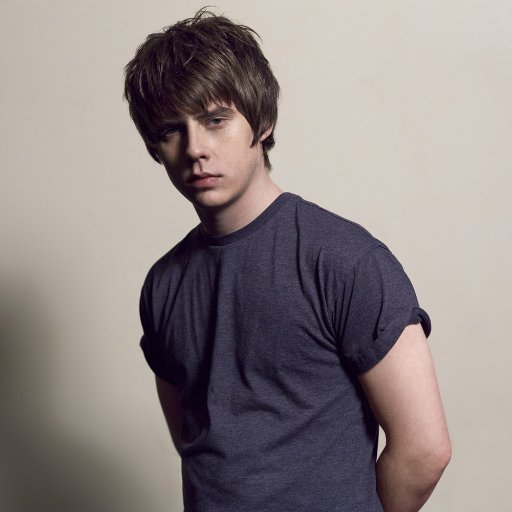 Many have written about Jake Bugg’s youth, his songs, guitar playing, and singing style, but what struck me as special about Bugg was his authenticity. His songs were all about working class life in middling England in the new millennium, something overlooked in most of popular culture. Indeed, the absence of any cultural mirror for the experiences of working class youth in most western countries makes the occasional mention stand out in stark relief. Bugg’s debut album gave voice to a generation left behind by the economy and the political class in songs like “Two Fingers,” “Seen It All,” and “Trouble Town.” Sure, some fans and music writers just listened esthetically, hearing the folk, folk blues, and rudimentary rock and roll sound, but the ability to speak authentically about his community’s class experience touched a nerve for those who were listening. However, after touring with the album for over a year, Bugg told journalists he doubted he could write about such experiences anymore because his life had changed so much.
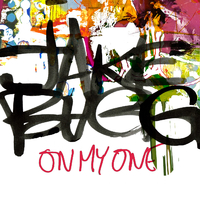 Bugg’s new album, On My One, is almost out and it appears to be similar to and different from his earlier material. The social themes remain but he pushes himself artistically into new genres. Growing up in the new century nobody consumes just one style of music so it was hardly surprising that Bugg’s talent could not be contained in just a few styles. “On My One” evokes the lonely solo acoustic guitar sound of Don McLean’s American Pie album, specifically “Vincent” and “Till Tomorrow,” while drawing from Bugg’s experience as a performer on tour. “Love, Hope and Misery” confirms Bugg’s talent for remaking the American blues ballad in his own style. But my favourite amongst the currently available selections from the record is “Bitter Salt,” a song unlike anything Bugg has done to date, a catchy poprock effort with a punchy arrangement and solid hooks.
