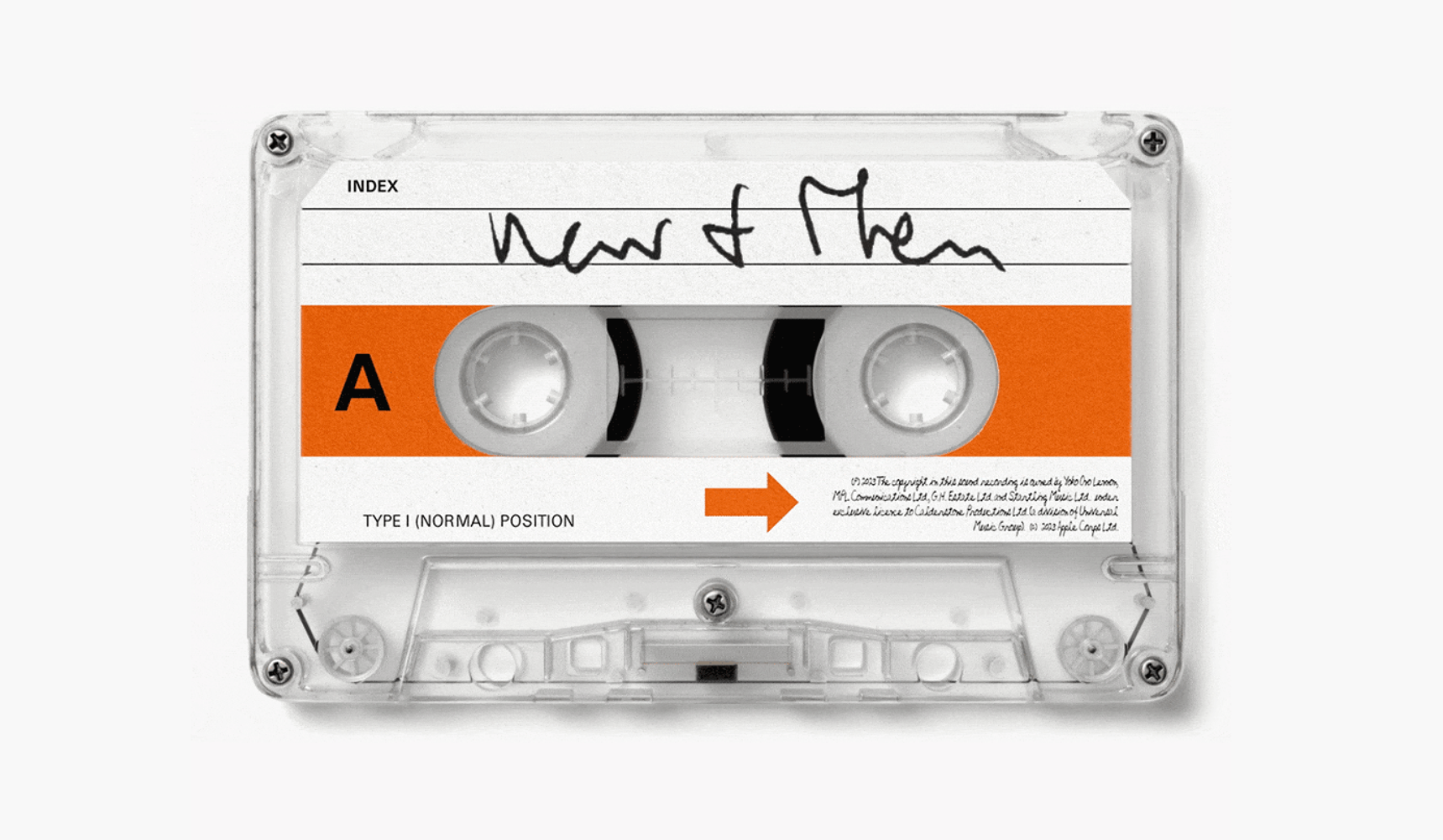
As a confirmed Beatlemaniac I would remiss if I didn’t have something to say about the just released Beatles ‘final’ single “Now and Then.” I have to be honest, hearing rough bootleg versions of the track over the years the song struck me as somewhat slight, akin to a host of deep-cut confessional love songs John typically interspersed amongst his early to mid 1970s solo albums. Thus it didn’t surprise me that Paul, George and Ringo passed on fixing it up for the Anthology series in favour of “Free As A Bird” and “Real Love.” But the new, just officially-released Paul and Ringo fixed-up version definitely elevates the track from its more mundane demo takes. John’s new and improved vocal obviously dominates the proceedings but Paul and Giles Martin have done an expert job adding all the expected late period Beatle-isms e.g. Abbey Road-era background vocals, tasteful strings, some pedal steel guitar, and a psychedelic turn to the tune’s arrangement (particularly the ending). And yet the song is not merely a retread of past accomplishments stylistically as it incorporates the more forlorn melodic twists John developed as a solo artist. So altogether, while the song is certainly not Beatles hit-single material, it adds up to what could have been a strong album cut and respectable addition to the band’s canon.
Given the band’s stature it should not be surprising that cover versions of the new tune are already appearing. Here it is fascinating to see others interpret how to render the song in a suitably Beatles key. Moving through the different eras, Dreamer Jazz re-imagines the song as it might have been played on Ed Sullivan, complete with video. DJS’s David A. Rodriguez really nails a host of early era Beatle-isms, including John’s distinctive rhythm guitar work. Apple Jam move the sound closer to the Hard Day’s Night/Help period and their considerable experience recreating the Beatles’ sound really comes through here. Timmy Sean takes inspiration from the same period but his sound ends up coming off more late seventies poprock, begging the question as to whether that might have been where the Beatles sound would have developed. Lastly Super 8’s version (that we featured before) takes things in a wholly new direction, even adding an original bridge to the song. In many ways, Super 8’s version is really the most creative interpretation, bold in its choices but still successful in execution.
The Beatles really don’t need any more money but these clever cover artists surely do. Give them a visit to check out where their fab influences have taken them in their own work.

 Poprock Record