Life at 45 rpm II

Tags

, , , , , , , , , , , , , , , , ,

For The Smiths guitar slinger Johnny Marr the 45 is a “short burst [that] is going to explain where we’re at, right here and right now” from “artists who are taking that three, four minute moment really seriously.” Forget the album as artist statement – for Marr, the single is where an artist can really say something. He also makes an interesting observation about the class dimensions of the form, arguing that in the sixties and seventies (when 45s were at their peak popularity in the UK) their brightly coloured sleeves and concise musical content served as a kind of working class art for the “young women who were working in Woolworths, and young men who were working in shops and warehouses and bus stations.” It’s in that spirit of love for the 45 that we continue with our second post of fab new late-summer singles.

Franco-American duo Freedom Fry just can’t help themselves. They’d barely gotten their French-language album L’Invitation out the door last April when two EPs of covers followed just one month later and now this summer three more original songs have hit their Bandcamp page. Productive much? Not that I’m complaining. There is always something so fresh and positive about a new Freedom Fry record. Like “Colors,” with its saucy keyboard lick opening and buoyant melody. Let this light and breezy single colour your listening time with a hit of audio sunshine. Another bit of fun pressed into 3 minutes or so comes from the Barenaked Ladies new album, Detour de Force. “Bylaw” is a goofy yet still melodious mediation on a topic I’m fairly certain has largely evaded musical attention up to now. But leave it to BNL to make it sing! The rest of the album is pretty catchy too, particularly the topical “New Disaster.” Indie power pop supergroup The Legal Matters are back with their third album, entitled Chapter Three. On the whole, its another reliably hooky installment in their ongoing musical saga but the song that leaps out at me is “Please Make a Sound.” I love the low-key jangle and the lighter-than-air harmony vocals. Stylistically it really stands out from the rest of the album, underlining how these guys can pull off just about anything. Have you been missing that tight, almost chrome-coated seventies rock and roll sound perfected by Nick Lowe and Dave Edmunds across a series of great albums, both solo and with Rockpile? Well relax, you can get your fix with Geoff Palmers new record, Charts and Graphs. Hey, this shouldn’t be news. Palmer’s been acing the Lowe/Edmunds sound for years with his band The Connection. I’m just letting you know he’s done it again. I’m singling out two tracks as my preferred double A-sided 45, “Tomorrow” and “The Apartment Song.” The former comes off like new wave as if the Beach Boys had gone that route in 1979 (instead of doing that disco album) while the latter is a rollicking, hooky stomper (and, as Ralph points out in the comments, a Tom Petty cover). I’ve been on a bit of Los Lobos bender for the past month, really getting to know their Spanish language recordings (e.g. Del Este de Los Angeles and La Pistola y el Corazon). You don’t need to speak Spanish to understand these records are telling you to kick up your heels! For 2021 the party continues on Native Sons with the band covering a host of their favourite radio hits, songs like Buffalo Springfield’s “For What It’s Worth” and the Beach Boys “Sail On, Sailor.” But I’m keen on the album’s only original cut, the title track. It’s a lovely Americana slow dance supported with a beautiful horn section that is all about the band themselves and their relationship to their home town.

The Barenaked Ladies – Bylaw

Is it wrong to like a band’s cast-offs album more than the main release? I mean, don’t misunderstand me, I think Scottish band The Eisenhowers’ third album Judge a Man by the Company He Keeps is a bonny collection of sophisticated tunes. But somehow I’m more drawn to the tracks that didn’t quite make the official album but did get released a few months later on the aptly named Too Much Music. For instance, “Suffer” is lovely lilting poppy tune, a little bit Crowded House, a smattering of Barenaked Ladies. And that’s just the first of many winners that got cut from the main LP but manage to appear here. Dave Strong tries to hide his classic sixties melodic instincts behind a punky veneer but “Little Girl” can’t be denied. This single is a blasting two and half minutes of gloriously amped up poppy fun. B-side “I Would” is pretty cool too. Detroit’s basement pop exemplars The Kickstand Band have been holding out on us. Just one single since 2017 and nary an LP or EP since 2016! Well the wait is over because a double A-sided single is out, “Cube” and “Hey Julianne.” The former is a neat if somewhat ominous low-key number that breaks out melodically briefly – but spectacularly – in the chorus. The latter is a killer should-be hit, in the mould of the band’s amazing synthesis of early 1960s and late 1970s AM radio hits. Those harmonies! Let’s have a new TKB album please. From the northern US to the deep south, The Blips hail from Birmingham Alabama and they deliver that wonderfully messy country rock sound we might associate with Titus Andronicus or the Band. “Inside Out” is the featured single from their self-titled debut LP and I’m loving it. If this style is your thing, I think you will too. Tampa Florida’s The Easy Button have an astonishing collection of 22 tunes out right now for the price for a regular album. The record is Lost On Purpose and it runs the gamut of clever poprock: a bit of Beach Boys, a lot of Fountains of Wayne, and plenty of fun. There are just so many great tunes here but I’ll draw your attention to the playful, generationally-focused “ReRun.” Though I’m more a seventies television guy I know a lot of the name-checked references here.

I came upon Kimon Kirk via a link to a duet he did with Aimee Mann in 2017. So I thought, ok, I’ll bite, let’s check out this guy. There’s wasn’t a lot to find, just a handful of releases since 2009. But what an interesting range of material! Like Mann, there’s a great American songbook feel to some of his stuff, like the cabaret feel to “The Road to No Regret” from 2011’s Songs for Society. Other releases are crazy good guitar poprock like stand alone 2017 single “Powerstroke.” His new record is Altitude and the song I’d single out is “The Girl I Used to Know” which cooks along like a Lindsay Buckingham track with just a tad more enthusiasm in the chorus. Richard Turgeon is back with a seasonally appropriate new EP of cool tunes, Campfire Songs. Once again he mixes a slightly discordant element into otherwise reliably poppy rock tunes. The timely “Goodbye to Summer” has the feel of an uber cool summer single, its cinematic potential fueled by classic sounding guitar embellishments and Turgeon’s own minor key vocal. But I also really like the easygoing rock and roll songbook feel to “Never Good Enough” and “Promised Land.” Chicago’s Kerosene Stars often sound like some 1980s English guitar band (and I like that!) but their new batch of singles seems to mark a new direction for the outfit. Ok, maybe there’s still an English feel to “Where Have You Been?” with its wordy but eloquent lyric delivery, but I like it, and it clips along with a somehow both reserved but still manic tempo. Recently I wrote about Pearl Charles’ eerie 1970s throwback material and that moved someone dropped me a line about Toronto-based Stacey. Wow. Also very 1970s. Like a Tardis time-travel good recreation. Check out “Strange (But I Like It)” from her latest LP Saturn Return. It’s got a minor key feel in places that reminds me of Sniff ‘n’ the Tears “Driver’s Seat” or any mid-period Little River Band. At this point it’s hard to believe that anyone could do anything new with Bob Dylan material, it’s all been covered by so many people and in so many ways. But Australian Emma Swift manages to add a new twist to the Dylan’s classic “Queen Jane Approximately.” With its light jangle and Rumours-era Fleetwood Mac rhythm section feel, the song sounds more like a radio hit than ever. It can be found with a host of other Dylan songs on her just released Blonde on the Tracks album.

Continuing in Dylanesque vein, Brisbane Australia’s Full Power Happy Hour give us a fresh dose of melodious folky-country guitar noodling on “Old Mind of Mind.” The song is the opening cut on their self-titled debut long-player and it combines keen guitar work with an inspired vocal. Heading back to the UK 65MPH anchor their sound with a striking mix of acoustic and electric guitars and tunes that mine a new neo-folk rock sound that I associate with acts like The Fronteers. “Cruel World” is just one of a host of peppy, winning singles the band has put out over the past few months. Rounding things out on this singles extravaganza, a deep cut from the latest album by Toronto band Harkness. The songs on The Occasion run a gamut of styles, featuring unusual instrumental choices and some complicated vocal arrangements. Personally I’m taken with “Tornado” and its solid mid-1980s Brit band mix of moody guitars and vocals.

Well, there it is, another colossal mix of singles, all mini musical manifestos from a wide array of acts. Think of them as ever so brief introductions to people with much more to say. Click the hyperlinks to continue the conversation.
Life at 45 rpm I

Tags

, , , , , , , , , , , , , , , , , ,

If there is someone who understands the power of the 45 rpm single, it’s Smiths’ guitar man Johnny Marr. In an interview with Clash magazine in 2019 he was quoted saying “the seven inch single for me has always held a mystical position because it’s such a brilliant format.” Why? In a word: impact.  For Marr, the single format forces artists to “pack the message, the hooks and everything into a shorter space.” Citing examples like The Beatles “Paperback Writer” or even his own “Panic” Marr argues that with a single “you get pulled into a world for three and a half minutes, exploring art or philosophy …” But, he adds, “it also has to be wildly entertaining.” Here at Poprock Record we couldn’t agree more. In the first of two posts, we explore the magic and concision of some recent glorious 45s.

We get things started with a solid ‘hitting the road’ tune, Dan Israel’s latest single “The Hang of It.” The song has a 1970s FM radio feel with his reliably Dylanesque vocals, Harrisonian pedal steel and party jam band vibe. The lyrics are so of our time: “I’m getting out of the house, I been crazy as a loon, I’ve been quiet as a mouse …” Here here brother. Next we step on the pop punk pedal with Edmonton’s Real Sickies. These guys are graduates of the Ramones school of rock, blasting power chords but always with an accessible melody line threaded in somewhere. “Communications Breakdown” is from their latest long-player, Love is for Lovers, and it’s a breakneck party tune, a surefire get-them-dancing number. The Skullers front man Jack Skuller has returned with a new solo EP, the more somber My Disappearing Act. It has the carefully curated guitar sounds we might associate with his past work but, on the whole, the project is more introspective than his full band work. All five songs here are winners but I’m drawn to “Antibodies (Buy You Time),” with its timely sentiments and a subtle hookiness that reminds me of early Josh Rouse. Slipping down-under for a moment, Adelaide Australia’s Teenage Joans describe their sunny guitar-heavy tunes as juice-box pop punk, a fresh take on the punk-meets-pop genre. Their new EP is Taste of Me and it is definitely a strong sampler of what this duo of teen gals can do. The first single “Something About Being Sixteen” has been getting plenty of attention but personally I think opening cut “Ice Cream” really showcases the breadth of their talent. The punk feel takes a back seat to seductively layered background vocals, droning hooky guitars, and melody accentuated by a lead vocal that reminds me just a bit of The Sundays at times. Another band exuding a strong punky vibe is Friends of Cesar Romero. But punky more in sentiment than sound. The ‘band’ is really just one guy, North Cheyenne/Lakota garage rocker J. Waylon Miller, but you’d never know it from his voluminous bandcamp collection of singles, EPs and albums. Some tracks are driving, noisy sixties garage rock verging on punk. Others draw from the melodic side of the 1960s, more like carefully crafted musical sketches. “Summer Boyfriend” is the Miller’s latest single and it’s a real treat, combining an urgent propulsive energy with melodic hooks worthy of any Mighty Lemon Drops song. B-side “I Just Wanted to See You So Bad” is pretty special too, with a hypnotic drone and catchy guitar line in the chorus. I can’t wait to dig into FCR’s back catalogue.

Oslo Norway’s Beachheads brought out a killer self-titled debut album in 2017. Mixing elements of Weezer with Oasis and Husker Du the album is explosion of guitars and earwormy tunes. But somehow I managed to not write about them. I don’t know what happened as I bought the album and remember thinking it was pretty amazing. Well, suffice to say, check it out. It’s a no brainer purchase. And you can add their brand new single to your shopping as well. “Jupiter” has a slightly more sweet melodic flavour, reminding me a little of the melodies I recall from Et Tu Bruce’s early work. Boston’s Kid Gulliver offer up a stylized old school new wave single with “Stupid Little Girl” from their latest EP Gimme Some Go! The vocals are so reminiscent of a load of early 1980s indie girl groups and girl-led bands. Speaking of old school, the Automatics have something in their DNA that allows them to effortlessly synthesize a host of 1960s influences. It’s there in how the vocals meld with the guitars on their great new single, “Black Velvet Elvis.” This is a should-be hit single. I hear just a hint of Freedy Johnston in the vocals, particularly in the chorus. Santa Monica’s The Popravinas continue to develop their unique blend of poppy Americana on their new single “Do the Creep.” It comes in advance of their new LP Goons West and breaks new ground songwriting-wise for the band, with its sleek guitar lines and rather dark moody aura and lyrics. Pitchfork called Quivers’ “Gutters of Love” an ‘instant anthem,’ the sound of 1980s bedsit indie college rock. I’d have to agree. As the opener to the band’s new album Golden Doubt it’s a marvelous ‘welcome home’ for fans and a hearty ‘hey, hello’ to new listeners. The light jangle, alternating vocals, group singing and soaring choruses are very Grouplove or The Smittens on a particularly tidy day. You’ll come for this single but stay for the rest, for sure.

The Italian rock scene is holding its own these days. We reviewed Vicenza’s Hearts Apart’s recent single “Waste Time” and now the rest of its accompanying EP is out, Number One to No One. The five songs alternate between punk pop and more straight up rock and roll. I’m digging the rollicking “It’s All the Same” with its cheeky guitar licks and hint of Americana in the chorus. Though “Lonely Days” is a pretty close runner up with a vibe reminiscent of The Vaccines. London’s The Speedways have delivered a neat little EP entitled Borrowed and Blue, featuring covers tunes from bands as diverse as Hanoi Rocks, ABBA and Kirsty MacColl. But the track that knocked me over was the cover of Billy Ocean’s 1976 single “Love Really Hurts Without You.” The band really crank the Motown feel, driving the hooks home like The Jam might do. The other covers here are equally inspired, a very fun collection. One look at The Sheepdogs website and you know these guys are heavily into the 1970s. Their music is clearly inspired by the poppy boogie rock of that decade. Being from Canada, they remind me of bands like The Stampeders or even mid-period Chilliwack. Their latest single is “Keep On Loving You” from their No Simple Thing EP and it’s pure AM radio 1974. Its got the swing, its got pumping piano action, its got those guitars with chorus effects that go on for days. Mostly its got that countryfied vocal sound that bands as disparate as the Doobies, the Eagles, and Band went in for in the mid-seventies. Remember Sports are the band formerly known as just Sports. They’re also the band formerly known for ‘basement rock’ but their new LP Like a Stone has come upstairs. The sophistication of the album has drawn comparisons to Sleater Kinney and Rilo Kiley. There’s plenty of variety here but I’ve fastened myself onto the almost Buddy Holly punk title track, “Like a Stone.” There’s an edge to the song that belies but somehow intensifies it melodic content. I’m also partial to the very Rilo “Out Loud” and the country-ish “Odds Are.” Spain is a land full of power pop lovers. One day I plan to go there to see some kick ass Spanish power pop band. Perhaps like Madrid’s Macarrones. The band’s latest album is emblazoned with XX across its low-key cover. But inside is a blistering collection guitar-slashing, very danceable tunes. I’m just going to focus on one that has a bit of a new wave groove and some sweet background vocals, “Más Que Una Idea.”

Wildings compilation album Hello My Name Is … is described as ‘folk pop’ but there are more than a few departures from that script on this fabulously diverse collection of his tunes from the past decade. Like “Swipe Right.” A bit of 1960s pop psychedelia, a dab of XTC, even a hint of The Vaccines, it’s a delightful dose of manicured indie poprock. And the other 19 songs are worth checking out too. On their prior records The Mergers sounded like they’d got lost on Merseyside around 1964 and somehow just resurfaced with their setlist intact. But the band is actually from Germany and with their new record Three Apples in an Orange Grove they are striking out for new musical territory as well. They’ve expanded their sound for a broader neo-psychedelia meets Britpop, kinda like Love meets Oasis. You can really hear that hybrid on “Seekin’ for the Light” but I’m more drawn to guitar hook anchoring “Right as Rain.” We wrap up this instalment of Life at 45 rpm with a pair of teen brothers from Ohio who have got their jangle down. As The Laughing Chimes their debut record In This Town is proof these guys know their way around those early REM and Smiths records. The jangle is off the charts and the songwriting is strong. My current fave is “Back to My House.” I love the ways it builds with plinky piano, reverbed-up guitar and vocals that remind me of early Grapes of Wrath.

The Mergers – Right as Rain

Well there you have it, a whole lot of 45s to take in – and there’s more on the way. Needle drop your way through these selections and click on the hyperlinked names of the ones that grab you to learn more.

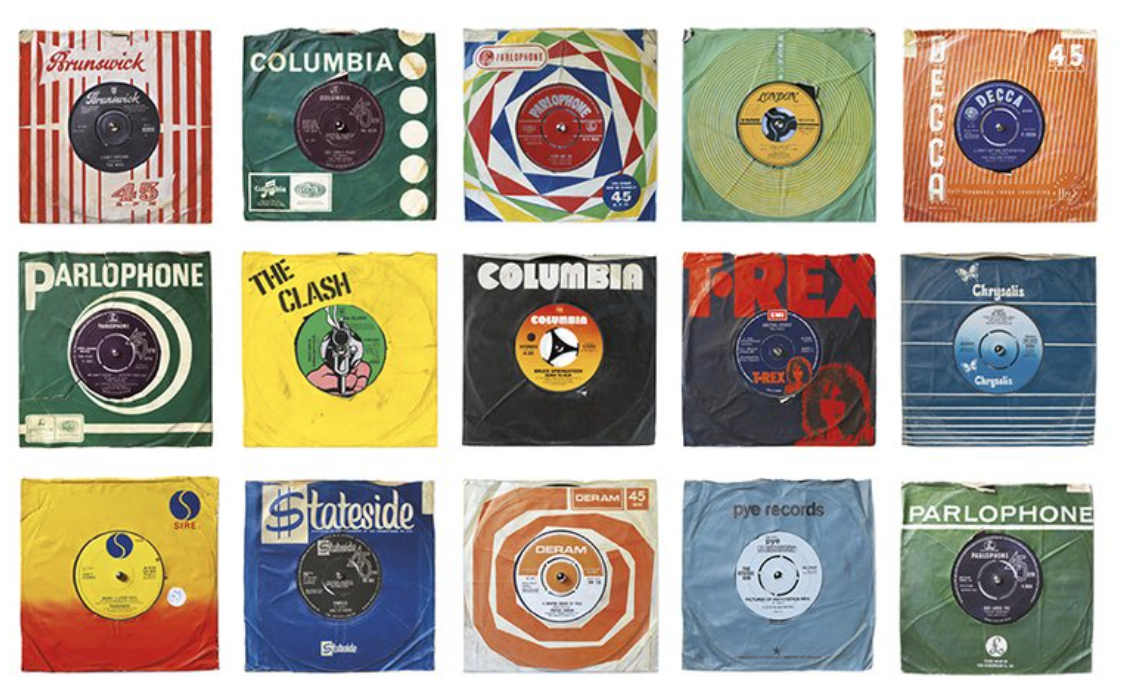
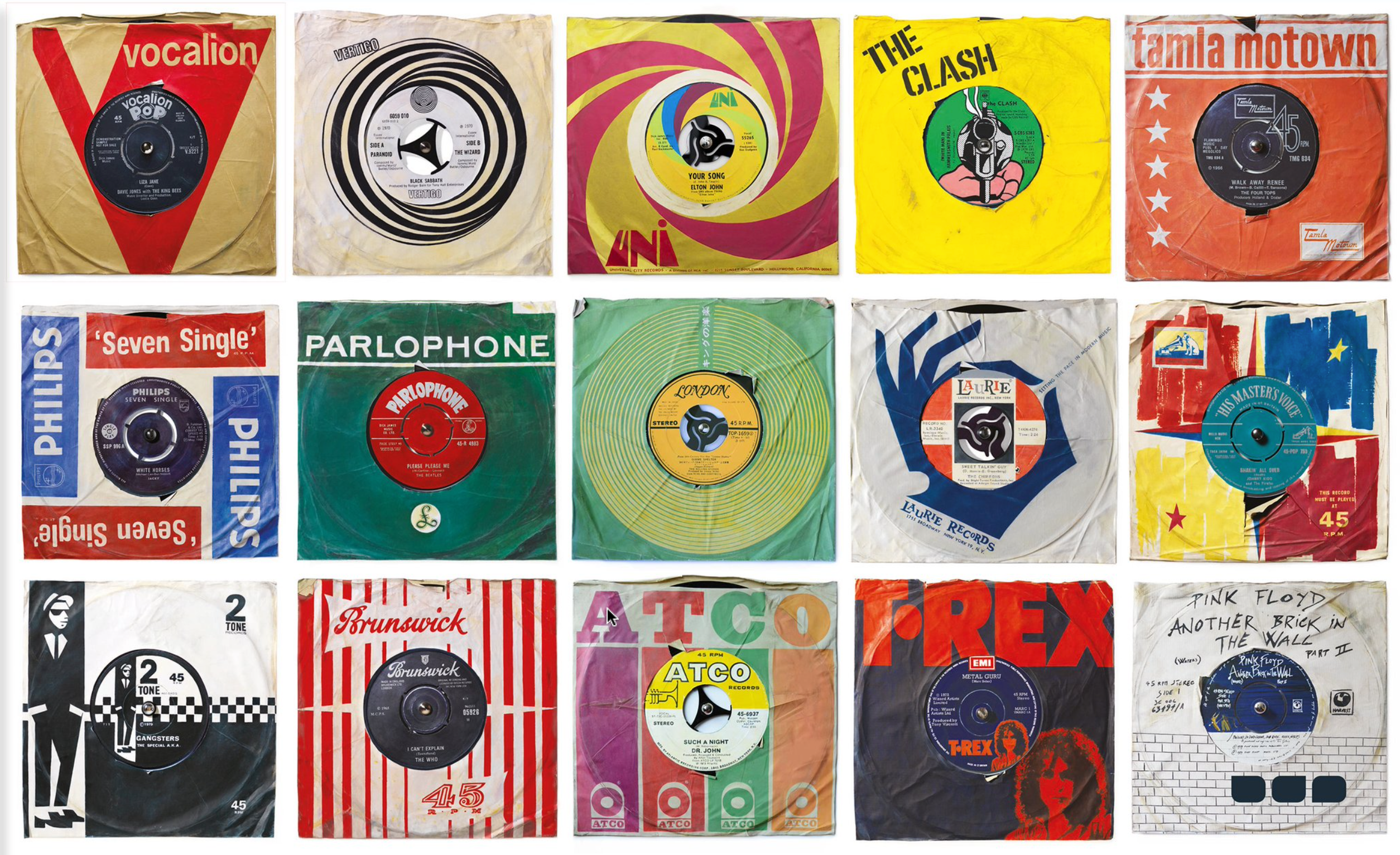
The top photo is actually of a collection of paintings by Morgan Howell. He paints very large versions of classic rock and roll 45s. You can check out the range of his work here.

Should be a hit single: The Mavericks “Touch a Lonely Heart”

Tags

, ,

I discovered The Mavericks via their 2003 self-titled album, The Mavericks. I was blown away by the songwriting: “I Want to Know,” “Shine Your Light,” “Would You Believe,” and many more. But I also fell in love with lead singer Raul Malo’s fabulous diversity of singing styles, sometimes echoing the clipped diction of Buck Owens or the emotional intensity of Roy Orbison or the country blues sadness of Patsy Cline. The band themselves play a lively mix of Tex-Mex country/rockabilly with flashes of Cuban and Cajun influences. This particular album emerges at an interesting juncture in their career, coming out three years after their initial break up and nine years before they would unite again. The song I’m focusing on here, “Touch a Lonely Heart,” is also from this period, actually appearing as the b-side to the first single from The Mavericks album, “I Want to Know.” I can’t believe something this good could be left off the album! Just listen to the initial roll out of the tune with its snappy electric lead guitar line, “Help Me Rhonda” pumping fairground organ, and irresistible melodic hook. Then Malo’s vocal slides in with a candy-coated smoothness that is utterly seductive. The sonic elements of the song seems so immediately familiar but this is no derivative sound alike tune. Instead The Mavericks wield the constituent elements with the mastery of a band that has played a thousand nights together. This is textbook should-be hit single songwriting and performance.

Touch a Lonely Heart

If you like what you hear here, you’re going to love the rest of the band’s catalogue. You can catch up on their early period hits with the cheekily-titled Super Colossal Smash Hits of the 90’s: The Best of The Mavericks from 1999 or dip in to any of their post-2013 albums and not go far wrong. Their most recent album is 2020’s fab Spanish-language En Espanol. You can read all about The Mavericks, their recordings and tour news on the band’s website here.

From John to the Travoltas

Tags

, , , ,

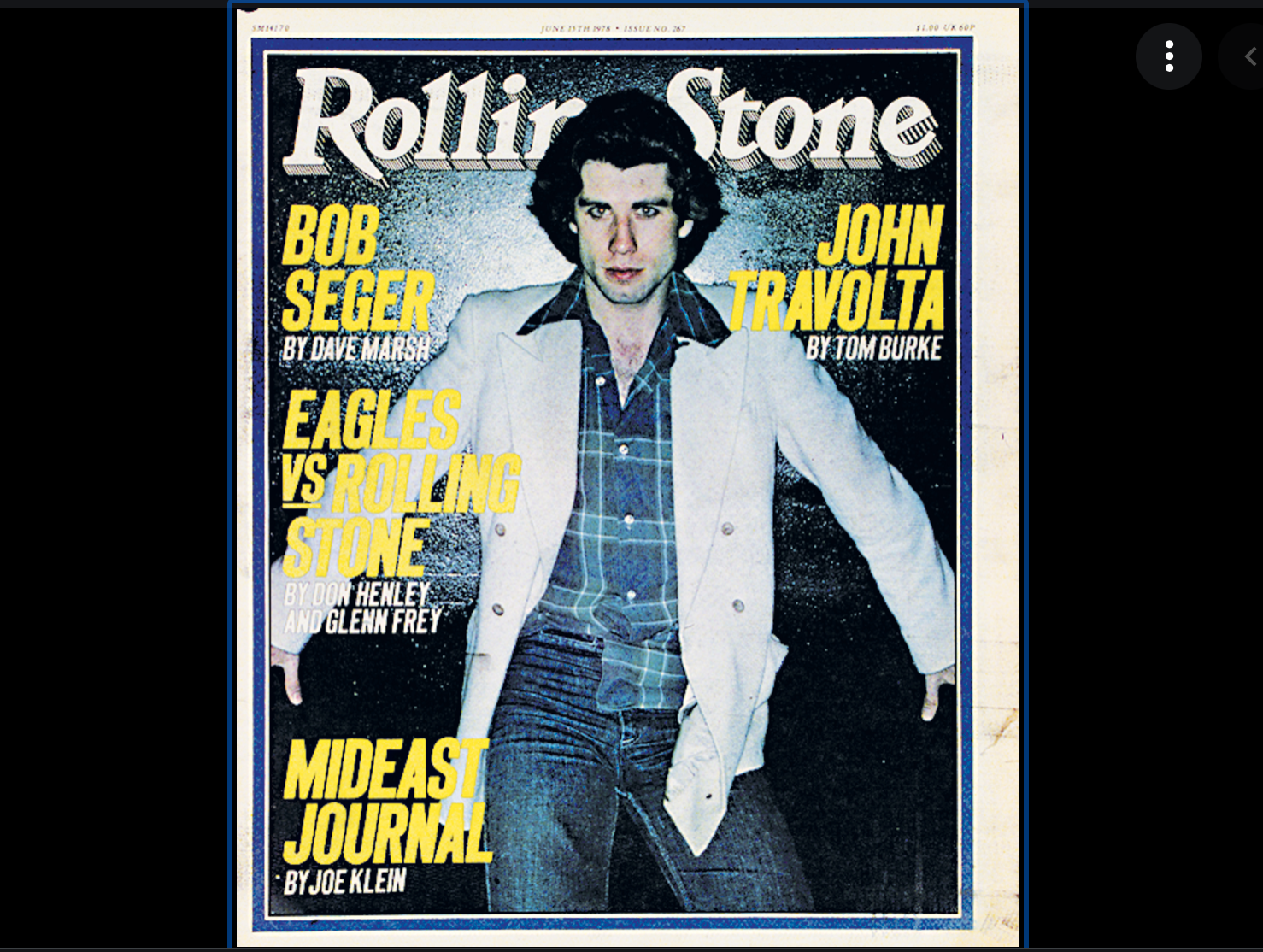
In 1978 John Travolta was everywhere: TV, movies, lunchboxes and on the radio. His success was due, in part, to his ability to traverse the shifting sands of 1970s masculinity. Visually he exuded a stereotypical Italian-American manliness. But his seventies successes had him engaged in (what were considered to be at the time) some pretty questionable manly pursuits, namely dancing, wearing a lot of stretch nylon outfits, and singing a slew of soft rock love songs. The lack of any real rock and roll connection to the Travolta phenomenon is, in retrospect, a bit surprising. No, the cartoonish Grease soundtrack doesn’t count. Luckily others have made the links. So let’s just skip over John’s musical contributions and go right to two great bands that take up the Travolta name and make it rock.

We begin with Salim Nourallah. Over the years I’ve bought a few of his albums but somehow neglected to write about them. This Travolta theme gives me a good excuse to do some backtracking. As a solo artist, Nourallah’s work consists of finely crafted tunes, peppered with subtle melodies and an overweaning aura of melancholy. Oh, he brightens up on occasion. Like with the light upbeat track entitled “Travolta” from his 2012 album Hit Parade. Nourallah had actually formed a band called The Travoltas in 2011 and brought out an album under that name in 2012 (later re-released with more  songs in 2017). The record is uneven but only from a band point of view, sometimes sounding indistinguishable from Nourallah’s solo stuff, at other moments sounding more than just Nourallah plus four other guys. Opening cut “I Can’t Say No” and “If You Could be the Star” make the most out of the band setting, with the latter cut reminiscent of early Eels records. “Work of Art” and “Crying Shame” are classic Nourallah sophisticated poprock. And there’s some fun covers of some pretty obscure stuff, like Gene McDaniel’s “Tower of Strength” and Jonathan Richman’s “I was Dancing in a Lesbian Bar.” Altogether the whole record is an enjoyable outing from a guy with a producer’s eye for sonic detail and the artful placement of a killer hook.

The band most associated with our Hollywood star’s name are the Dutch outfit, Travoltas (sans the ‘the’). Oft described as a Beach Boys/Ramones hybrid, you can hear the punky synthesis all over the band’s dozen or so albums. Sometimes they really honour the Beach Boys vibe, as on the first few bars of the 2000 single “You Got What I Need” before the punk kicks in. Other times they riff on both the Beach Boys’ album artwork and sound, with 2003’s Travoltas’ Party looking and feeling like the original that inspired it. It’s a sound that is popular with a host of bands, for instance neighbour Denmark’s Tommy and the Rockets, but there is something distinctive about what Travoltas do with it. More recent releases have stretched the band’s formula in exciting new directions, like the 2020 poppy single “Find You There.” Now they’re returned with a new EP, Back to the City, and it moves the needle more to the pop side of pop punk, particularly on the hooky title cut. Meanwhile, opening track “Escape the Pressure” still leans on some adrenaline pumping guitar assault but the harmony vocals bring the melodic elements more the front. “Start Again” also starts guitar-noisy but here again the vocal style soften the edges in a most melodic way. And there there’s “Nightcrawler” which combines theatric vocals with an early 1980s over-the-top melodic drama. Back to the City signals that Travoltas have not finished their musical evolution just yet.

The difference between John and our various Travoltas is one of spectacle versus substance. John may have looked the rock and roll part but he never really delivered on it. As an entertainment icon and emblem of the late 1970s particularly John Travolta has given us enough. We can safely leave the rock and roll to these bands that bear his name.

The world of Kurt Hagardorn

Tags

, , , ,

If ever there was a man who deserves a Decca records World of … collection it’s Kurt Hagardorn. As a veteran of two bands, two solo albums, a load of session work as a guitarist-for-hire, and, more recently, a slew of one-off, independently released singles, his musical resume may be a bit hard to follow. But it is definitely worth poring over for the fine print. Hagardorn clearly loves all sorts of music, from country rock to singer/songwriter folk to jangly poprock. His choice of cover tunes alone runs an impressive gamut of styles, with songs from Richard Thompson, Kirsty MacColl, Randy Newman, Tom Petty, Ray Davies and Colin Hay. All that is something deserving of some serious curation. So, in that spirit, let me present the completely unofficial, rogue Decca records release, The World of Kurt Hagardorn.

In preparing this special release, I’ve mined Hagardorn’s bandcamp page, which features three albums and many, many stand-alone singles. His two official solo albums consist of Ten Singles and Leaves, released in 2007 and 2009 respectively. But a third album of sorts appears under the title Back in the 90’s, featuring a few songs from his band Gumption and other tracks I assume he put together in that decade. There’s also the relatively new EP Exile in Babylon released earlier this year. And then if we take in the amazing volume of stand-alone single releases from 2018 to 2020 (more than three dozen by my count) they could easily amount to another solo album. In other words, more than enough musical fodder for a comprehensive overview compilation!

Side one of our record kicks off with tunes from Hagardorn’s first solo album, Ten Singles. “Last Time Rewind” has a great long intro, creating a dynamic tension that is one part Rolling Stones, multiple parts all sorts of 1980s indie bands. It reminds us that beneath all the style hopping Hagardorn is basically a 1960s rocker. “You Are My Girl” has a lovely Byrdsian country jangle while “Rock Scissors Paper” comes at the country influence more from a Rockpile/Brinsley Schwarz pub rock angle. Next we draw from solo album #2. On Leaves you can feel a qualitative change to a country-inflected indie sound recently make popular by acts like Lord Huron, among others. “9 Broadway” has a somber intimacy, intensified by Hagardorn’s striking vocal and pedal steel/organ work. Elsewhere the record features a latent late-period Beatles vibe on tracks like “Tail Lights” and “Heartbeat,” though the sound is also very contemporary – think recent releases from Matthew Milia and Nicholas Altobelli. Side one concludes with “Leaves,” a song that sounds like a Elliott Smith contribution to the Amélie soundtrack.

On side two we reach back to Hagardorn’s earlier 1990s work, starting with Gumption’s “The Way,” a rollicking guitar chord slasher in a Guadalcanal Diary or Green on Red vein. But here I also like the up-front chord basher “Lemonhead” with its sweet vocal harmonies and surprising melodic twists. From there we select a few choice releases from the cavalcade of singles that have come out between 2018 and 2021. “Seven Six Seven” has a nice, almost new wave acoustic swing. “Everything and Nothing” has a bigger sound, with a slight uneasiness lurking around the edges of the melody. “Waited So Long” kicks off with a strong jangle base, offset by Hagardorn’s wavering, vulnerable vocal. The recent Exile in Babylon EP represents another stylistic departure for Hagardorn, with songs embodying an almost Sparks-like playfulness. But here I’m drawn to the big chords, subtle synth lead line and ELO-style hooks of “Tractor Beam.” And to end our album, something from Hagardorn’s collection of more spare, delicate slow songs. So many good choices here but the Randy Newman-esque simple beauty of “Metronomic Heart” really captures this artist’s emotional range and depth.

While The World of Kurt Hagardorn is an imaginary album, the accomplishments are real and readily available. Get thee to the Kurt Hagardorn bandcamp page now to make your own individual selections.

Cover Me! The Beach Boys “Girl Don’t Tell Me”

Tags

, , , , , , , , , , , , , , , , , , , , , , , , ,

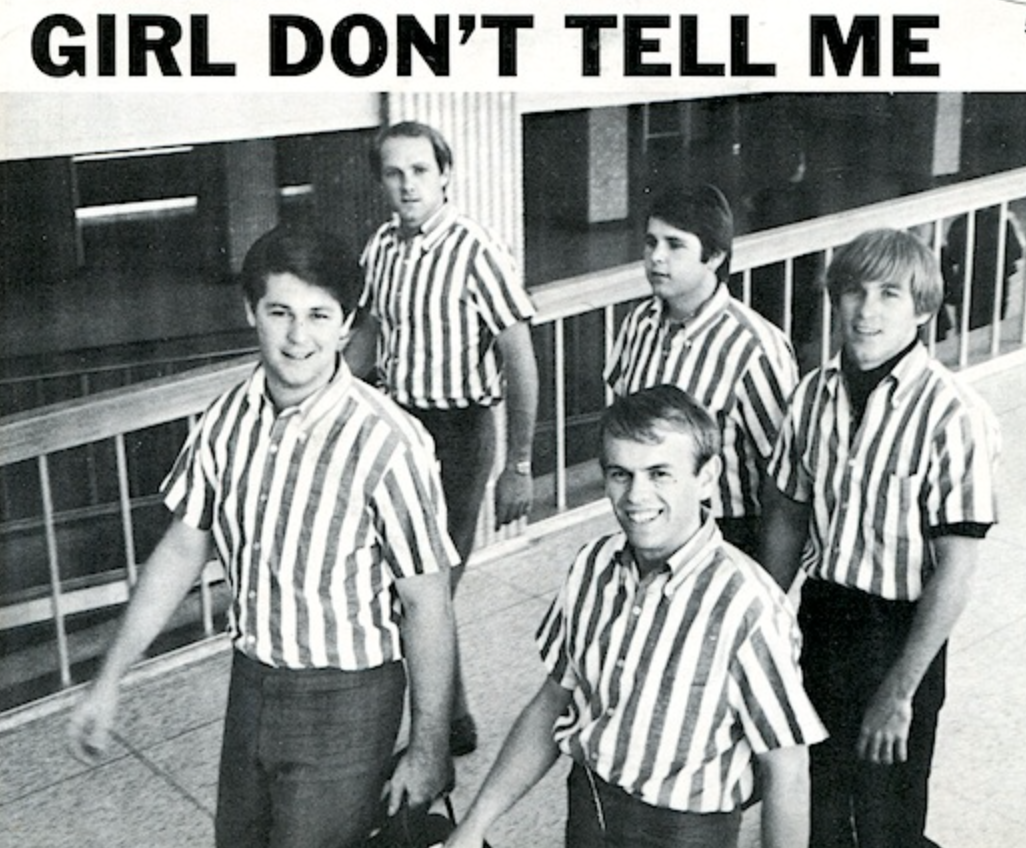
This just might be my favourite Beach Boys song. When it was released in late 1965 it represented a departure from the band’s prior neo-1950s surf rock for more Beatles melodic territory, particularly its jangle guitar and Carl Wilson’s lone vocals, sans the usual group back up. Brian Wilson would later cite the Fabs’ “Ticket to Ride” as particularly influential here. I didn’t hear the song until my Dad came home with Endless Summer in 1974 but immediately it stood out for me from the rest of the band’s early period hits on the collection. Brian Wilson’s usual subject matter – teen drama – remained the same but the song’s structure and subtle hooks were nothing like the other 19 songs. It’s a tune I can play and play and still want more. Curiously, covers of the song were few until more recent times, no doubt reflecting the increasing critical appreciation of the band and their legacy that has occurred over time.

The Beach Boys

“Girl Don’t Tell Me” appeared in December 1965 on the Beach Boys’ eighth long player Summer Days (and Summer Nights!!) and as the b-side to the “Barbara Ann” single. But Brian Wilson had written the song back in February and the composition had been shopped to various artists. 13 year old Keith Green would actually release the first version in October 1965, his vocal range suiting the teen angst of the song. Green’s career as a teen star was ultimately cut short by the rise of Donny Osmond but he later surfaced as a highly successful Christian rock artist. Teen pop idols Dino, Desi and Billy recorded a version of the song in 1966 but couldn’t quite hit the ‘I’s in the “I’m the guy who left you …” line. A much better version was put together the same year by Tony Rivers and the Castaways, a Brian Epstein managed group that had the Rolling Stones’ Andrew Loog Oldham produce their release. And then … nothing. Covers of the song evaporated as critical interest in the Beach Boys’ early material declined and the band’s commercial and creative drive stalled in the 1970s (other than as a featured act on the emerging ‘oldies’ circuit).

Keith Green
Tony Rivers and the Castaways

Covers of “Girl Don’t Tell Me” only really start to appear in the 1990s and beyond as the Beach Boys and Brian Wilson in particular start to gain traction as important, critical influences on late twentieth century popular music. An early adopter was Pat DiNizio of The Smithereens who included a cover on the band’s debut EP Girls About Town as far back as 1980. That band drive the lead line home throughout the song, making it a killer hook. But things really take off in the 1990s with covers from Gumball (1992), Heartworms (1995), Fuzzy (1996), and the Sparkle Jets (1998). The first two bands perform the song with a grunge and rock demeanor while the latter two are more into the indie and jangle scenes.

Heartworms
Fuzzy

In the new millennium bands started to take refreshing new liberties with the song, like Truly’s Beach Boys-meets-The Who rendition that appeared on their rarities collection Twilight Curtains in 2000. Other reinventions include Ken Sharp’s baroque interpretation (2000), the blistering punky version from the Hot Pockets (2002), Amy Miles’ fantastic 1970s throwback (2005), and Joe Jistsu’s Weezer-ish treatment (2007).

Truly
Hot Pockets
Amy Miles

Since then bands have increasingly experimented with the song’s structure and traditional instrumentation. Check out Oceanics radically retooled version (2012) for a take you won’t recognize until the lyrics kick in. The Lunar Laugh’s Jared Letkis (with Laura Biagini) gives a performance that is pure ear candy, adorned with all sorts of catchy instrumental choices and unique harmony vocals. Mudwerks has a wonderfully different interpretation of the song, with neat keyboard echo effects and distinctive guitars. Meanwhile Halifax, Nova Scotia’s Fossil Cliffs offer up a very satisfying psych rock workout.

Oceanics

As our new decade begins, interest in “Girl Don’t Tell Me” continues unabated. 2020 alone offered up three more inspired covers. Stephen Bates loves all things beach and summer and his take on the song has a refreshing, slightly punk/DIY feel. Chicago’s Gal Gun uses just an acoustic guitar to offset his stark, intimate vocal. Kevin Robertson lets loose the jangle on a cover that appeared with all the other songs from Summer Days (and Summer Nights) put together by the should-be famous TM Collective. The most recent cover comes from another tribute collection, the Jem Records Celebrates Brian Wilson album. This time the Anderson Council put an inventive pop psychedelia stamp on the tune, with fabulous results.

Anderson Council

I would be remiss if I did not acknowledge the many non-English covers of the song as they too show remarkable ingenuity and talent. Italy’s Nomadi put out “La mia libertà” (translation: “My Freedom”) in 1966, switching out the traditional guitar lead line for what sounds like a cello. And it works spendidly. The Hik put out a less engaging Dutch version in the same period. Next up, Sweden, with Gyllene Tider’s great “Ge Mej Inte Det Där” (translation: “Do Not Give Me That”) in 1981. More recently Argentina has gotten into the act with Fleko’s 2016 Spanish language version, which has some far out spacey guitar adornments and fierce vocals.

Nomadi
Gyllene Tider

Well here I am, 23 versions of the song later and I’m still ready for more! Sometimes a song is just so good you can’t break its hold on you, regardless of how it is played or how often you hear it. So I say, bring it on cover bands! I’m ready for even more of Brian Wilson’s deceptively simple, addictive earworm.

Growing up: Drew Beskin, Matthew Milia, Brett Newski, and Common Grackle

Tags

, , , , ,

Today’s artists are all grappling with growing up, shifting from their twenties spent aping cool to a thirties confronting responsibility, aging and loss. They’ve glimpsed the fork in the road that spells the end to endless wandering and possibility. It’s time to commit. Luckily these hard and sometimes painful experience translate into plenty of grist for their music mill.

Athens, Georgia everyman Drew Beskin is back with solo album number three, Problematic for the People, the title a cheeky riff on REM’s Automatic for the People. Beskin’s poprock bona fides were established long ago in bands like PURSES, the District Attorneys, and Party Dolls but on this record he lets loose his considerable stylistic chops to produce an album of gorgeous breadth and intensity. I mean, check out the perfect intro roll-out on the opening cut “I’m Not Human,” the languid way it establishes the basic lead guitar hook amid some effortless rhythm guitar flourishes. As the song continues, it delivers a big chorus, the kind that keeps you humming long after the fade out. From there the album shifts moods with ease, from the rocky early 1980s retro of “Going Alright for You” (reviewed previously here) to more stark acoustic numbers like “Culdesac” and “Torn and Blue” to the lush album closer “Atlantic.” There’s some really exquisite stylistic synthesis going on here. Like “Swimming in Bed,” a track that manages to send wonderfully mixed signals with a muted performance while still bursting with an Oasis-like feel and intensity. Personally, I love “Personal Shopping” with its low key seventies pop-disco feel and Beach Boys-doing-Double Fantasy vibe. My take, Problematic for the People is enjoyment guaranteed. Slip the album on your music player and enjoy the ride.

Matthew Milia‘s second solo album Keego Harbor kicks off with “Salad Bars,” a track whose intro piano trickles out like a lost Carpenters tune, only to suddenly lean hard on the country pedal steel. At that point, it kinda sounds like a deep cut from some early America album. From there the pedal steel and country vibe never really go away, but to my ear it owes more to Fountains of Wayne and the Beatles doing country than Nashville. A lot of it has to do with song structure, with songs like “Sunburnt Landscapers” and “Haven’t Heard You Laugh in a Long Time” sounding right out of the Schlesinger/Collingwood songbook. But another factor contributing to this is Milia’s vocals with their hints of Collingwood, sometimes a bit of Elliot Smith, even exuding some Ben Kweller on “With the Taste of Metal on my Tongue.” I will confess a partiality to the few more uptempo numbers on the album, loving the ‘do do do’s carrying “Condo Lakeshore” and Joe Jackson-meets-Apples in Stereo-ish “Autumn America.” In the end, Keego Harbour is more a musical a love letter to a time rather than a place. Still, you can get there just by hitting play.

It’s Hard to be a Person is described as the soundtrack to a book, a very cool idea. Brett Newski is nothing if not barrier breaking. Developed during lockdown, the project has seen Newski confronting his anxiety and depression via a reconnaissance of his past. The project is a new book of drawings and music developed from old notebook sketches and song ideas. Yet the end result looks and sounds as fresh as anything. Fans of Newski will recognize his familiar punk rock Tom Petty vocals while the songs veer toward a caustic acoustic attack not unlike the Violent Femmes (particularly the raucous “Lie in All Honesty” and “Dead to Me”). Things go a bit more poppy on the opening cut “I Should’ve Listened to Ferris Bueller,” which features a guest vocal turn from Steven Page. Despite the album’s consistent vibe, there’s still plenty of variety, with a great shuffle feel on “Lillian Road,” a country/folk swing to “Second String Heart,” while “Life Underwater” alternates between forceful punky verses and a more hooky chorus. But the album’s coup de grace is undoubtedly “Varsity (American Pie),” the obvious single with its steamroller pace, relentless hooks and engaging falsetto vocals (in the chorus). Ultimately Newski’s right, it is definitely hard to be a person. Listening to this record is one way to make it easier.

Old Dog New Tricks is the second LP-length release from Common Grackle, a collaboration between indie pop auteur Gregory Pepper and hip hop producer Factor Chandelier. The results are a decided departure from Pepper’s more typical, madly manic poprock. The ten songs (running just 20 minutes) are low key, often spoken word ruminations on life, loss and growing up. But engaging melodies lurk here too. The McCartney-meets-Satie piano on “Tiny Aphrodite” offers us just such an engaging moment. It’s there with the lead line buried deep in “Bad News.” You can hear it all over “Bud Dwyer” with its muted, discordant Beach Boys vibe. Sometimes the key element of the song is in the changes, like where producer Chandelier changes the aural setting so strikingly it’s almost a hook in itself. The shift in “Mint Chocolate Chip” at the 22 second mark is captivating and a bit additive. Turning to possible singles, the closest thing might be “I Got Scared.” Here I really like the horns and piano and winsome vocals. Bonus: the bandcamp download contains an extra 10 songs and they’re special too (particularly for me, “Please Stop” and “Canadian Raisin”).

Growing up is an exercise in transformation, shedding the old self for something new. Or maybe it’s just a re-arrangement of life’s deck chairs. Either way I reckon there’s insights and enjoyment galore on these here releases.

Radio station 1965: Justin Angelo Morey and John Myrtle

Tags

, , ,

My radio dial seems stuck on 1965, if today’s featured tracks are anything to go by. But both selections are actually brand new releases. Justin Angelo Morey knows the 1960s well, mining the psychedelic rock sounds of the time for multiple albums with his band The Black Hollies. But on this outing he dials things back a few years, with drums, guitars and a song structure that is so Beatles for Sale or anything by The Searchers. “Something’s Got A Hold On Me” brims with jangly guitar accents and an economical lead line that would make George Harrison proud. While Morey’s other recent singles (“I Want Your Love” and “Tell Me What’s Your Name”) also lean into the mid-1960s for inspiration, they’re more in the Yardbirds or Rolling Stones milieu. Personally I’d love to hear a few more tracks in this poppy Merseybeat vein. John Myrtle comes at things from a softer side of the 1960s. His earlier releases gave off a Donovan folkie vibe or the Moody Blues in a poetic moment. But his new album Mytle Soup ups the tempo and turns to more sunny pop hooks. “How Can You Tell If You Love Her” opens with a riff reminiscent of XTC’s “Love on a Farmboy’s Wages” but from there the song is firmly rooted in 1965, calling up flashes of Peter and Gordon and The Hollies. The song is a stunning evocation of the period, complete with a delightfully understated instrumental break at the one minute mark.

I end up in 1965 – musically – so often some might say my radio is broken. But I’m not complaining. There’s a joy in that moment of musical history that contemporary artists keep going back to and making their own. Today’s artists are exhibit A.

Moody melodies: Pearl Charles, Lord Huron, and Lane Steinberg

Tags

, ,

There are records that strike a mood instantly. You put them on and slip into some place totally defined by the ambience. Today’s artists are just those kind of full immersion performers.

Pearl Charles is being written up in all the usual trend setting and mainstream places. Her self-described ‘country funk’ sound is all the rage with tastemakers in the US and Europe. But she is the real deal, a performer whose songs instantly evoke any given musical moment from mid to late 1970s. I was struck by the opening of “What I Need” from her 2021 album Magic Mirror, drawn in by its smooth keyboards, unmistakable Fleetwood Mac rhythm feel, and alluring pedal steel guitar. And then there’s her light, piercing vocal style. By the chorus I was convinced this must be some kind of 1978 re-release, the track is so era-note perfect. This only  seemed to be confirmed with “Slipping Away,” a more haunting hooky rock and roll number but still cast in a late 1970s register. Charles’ back catalogue is worth a listen too. I love the Abba-esque guitar shimmer on the title track from her 2018 album Sleepless Dreamer. I’m also really partial to the lead guitar riffs driving “I Ran So Far” from her 2015 self-titled debut EP. But don’t let all this retro music talk give you the wrong impression. While Charles is definitely inspired by the past, her tunes are enjoyable in the here and now.

I don’t think Lord Huron need any help from me to sell records. But I feel the need to write about their latest album Long Lost as it is quickly becoming my favourite album of 2021. The record’s first single “Not Dead Yet” caught my ear with its jaunty feel and Duane Eddy lead guitar. But as I started listening to the album as a whole I surrendered to the band’s cinematic neo-1950s musical landscape, with its dynamic emotional tension stretching between a prairie desert ennui and a honky tonk Saturday night. “Mine Forever” captures it all between the rumbly lead guitar, sweeping strings backing, and a tender, somewhat tentative vocal. The record then advances through a juxtaposition of songs and spoken word links, the latter sounding a bit like Andy Griffith’s creepy radio populist in Elia Kazan’s brilliant movie A Face in the Crowd. The guitar tones are also one of the real stars of this record. Just listen to the opening bars of “Love Me Like You Used To” to see how a delicious guitar resonance can make an already fabulous song even better. But arguably it’s the band’s talent in synthesizing so many disparate influences that makes this album such a remarkable achievement. Case study: title track “Long Lost.” The song manages to meld a very Beatles Sgt. Pepper strings section with some classic Owen Bradley plinky piano that is just so Patsy Cline. And the combo somehow works. I could go on (and on) about every other song here as the record really represents the band at the peak of their songwriting. Instead, I’ll just highlight the impressive Johnny Horton-like vocal buoyancy kicking off “Twenty Long Years,” the lovely duet on “I Lied,” and the subtle melodic hooks pulling you in on “What Do You Mean.” But you’ll have your own favourites.

Lane Steinberg is a prolific artist, literate both intellectually and musically. His records are chock full of inverted pop culture references, clever social commentary and more than little dark humour. I discovered him via his fabulous, action-packed 2018 collection Lane Steinberg and his Magical Pony, reviewed here. More recently he’s released a cool EP of Grateful Dead covers (Lane Plays Dead) and a catchy collaboration with former bandmade Steven Burdick (Wondertrack). But I’m here to rave about his recent powerful, stripped down EP The Invisible Monster. Though it’s just Steinberg’s voice and guitar, I find the record riveting. The opening cut “The Invisible Monster” oozes menace, managing to convey both fear and vulnerability. Song-structure-wise, the tune is pure Hoagy Carmichael while the lyrics might be the dark side of Johnny Mercer. The rest of the EP is mostly covers, but you’d be hard pressed to recognize them from the originals given their transformation at Steinberg’s hands. For instance, “I Talk to the Wind” is from King Crimson’s 1969 debut album but the version here emotes a spare 1950s Mel Torme yearning. In fact, all the 1960s cuts on the EP sound like they’ve been put through a Torme/Brazilian jazz filter (and that’s a good thing, in my view). The formula works on material as disparate as Bacharach and David’s Dionne Warwick hit “In Between the Heartaches,” Love’s “Andmoreagain” (from Forever Changes), and Chico Buarque’s 1966 single “Quem Te Viu, Quem Te Vê” (obviously). Steinberg has a slightly different demeanor on a touching remake of the Beach Boys “I Want To Pick You Up” (the vocal reminds of Mark Everitt’s style on his E recordings) while his run at Kurt Weil’s “Lost in the Stars” sounds like something Elvis Costello would work up. The record ends with another original, the timely Bacharach-tinged “These Ain’t Normal Times.” If you’re looking for something to accompany those dark nights of the soul, something for Sinatra’s wee small hours, spend some time with this Lane Steinberg EP. You’ll feel something. Good.

Music can be like a magic mood changer if you’ve got records like these. Visit Pearl Charles, Lord Huron, and Lane Steinberg for your non-prescription mood altering drug.

Excitable boys: The Blendours and Ed Ryan

Tags

,

Some performers really lean on the excitement part of music. They’re a barely containable blast of pure energy. You can tell they just can’t wait to get on stage, to roll tape, and let go. That’s today acts, though in very different ways.

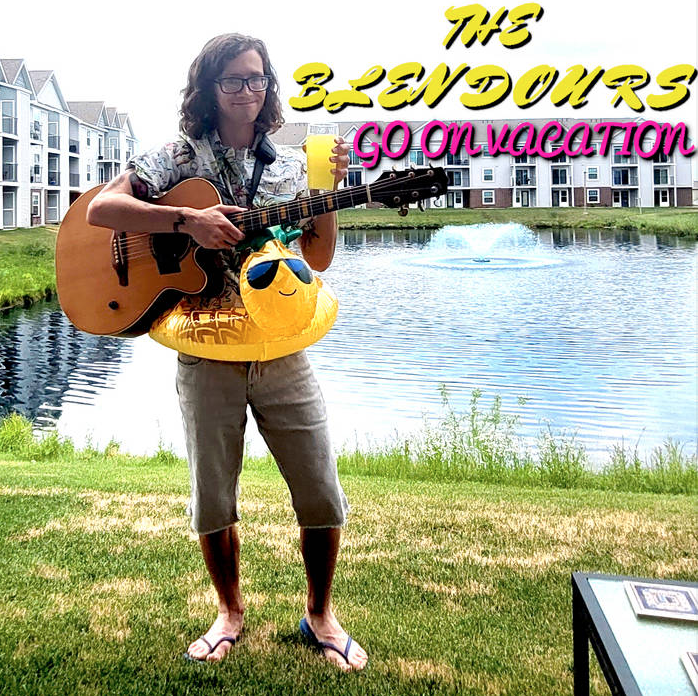
The word I associate with The Blendours‘ creative force Trevor Trieber is ‘glee.’ He’s kinda like that foul-mouthed, badly-behaving distant cousin your parents worry about but you can’t wait to hang with. His work conjures up a pristine world of early 1960s song structures, melodies and harmony vocals, but slathered with obscenities and observational lyrics that wouldn’t make it on American Bandstand. But as Trevor might say, ‘Fuck it.’ There’s just too much fun going on here. Go On Vacation is the band’s fabulous, delightfully crude new EP. It’s only ten minutes long but manages to space it over seven songs. Trevor doesn’t linger or belabor the point but, hey, you can always hit replay. Some tracks race along, like the manic “Buzzkill” with great lead guitar runs and a clever juxtaposition of vocals. Others, like “Tell Me the Truth,” take their time, expertly mimicking that early 1960s feel of teenage emotional drama. Instrumentally the album is pretty spare, often just acoustic rhythm guitar carrying things with some electric lead guitar adornments. But Treiber somehow makes it sound pretty rock and roll on tracks like “I’ll Be the Guy.” And how many writers can slip a ‘sha na na na’ into a song so effortlessly? I love it in “Good to You.” Album closer “Goodbye Christine” even offers up some jazzy electric guitar shots. You can read this blog’s love letter to The Blendours back catalogue here. Go On Vacation is definitely keeping that love alive.

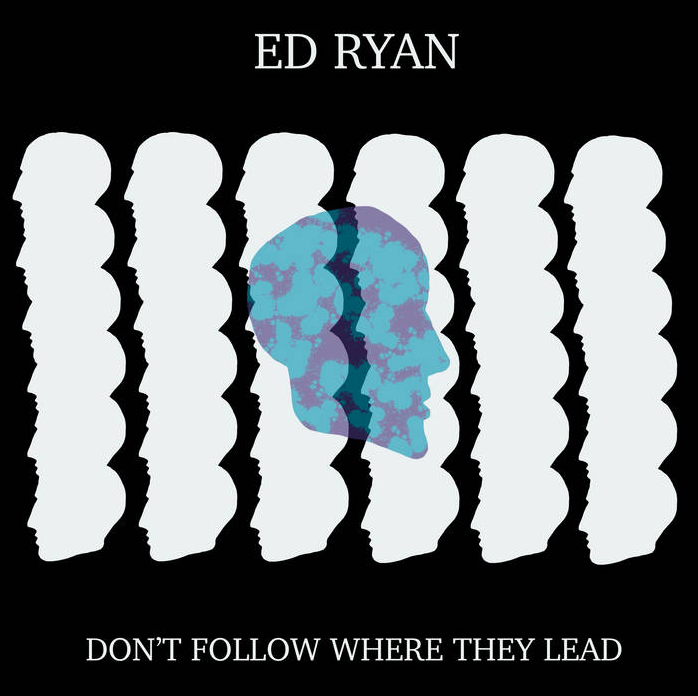
After a long career in various rock and roll outfits Ed Ryan’s recent string of solo efforts has allowed us see the many, many sides to his musical personality. Albums Roadmap and Furious Mind both kicked off with screaming guitar solos but last year’s Even Time softened us up with a hooky keyboard effect on its opening cut. Then inside each release were songs cast in a range of styles spanning decades of melodic rock and roll influences. Now he’s back with another installment that both confirms and challenges our expectations. Don’t Follow Where They Lead is not just a timely caution given our recent political winds but another celebration of melody, in a variety of fun jaunty styles. First on my agenda are the straight ahead poprock gems. Album opener “Anytown” sets the tone with jangly guitars and hooky descending bass lines. Or there’s the choppy rhythm guitar and those distinctive early 1980s vocals driving “Biggest Fan.” Another fun poprock confection is “Maybe I’m Dreaming,” easily a missing deep cut from some cool 1979 guitar band.  But the obvious should-be hit for me is the sneaky earworm, “Everyone Wonders.” I love how the song shifts intensity and attack, while offering striking changes in the  structure and melody. Beyond the expected poppy rock and roll Ryan shakes things up tempo and style-wise on the mellow John Waite-ish title track or with the hepcat shuffle defining “Fish in the Sea.” Or listen to how the piano line weaving through the chorus of “Made Me” adds an extra allure to tune. I also like the guitar tension Ryan creates on “Why Doncha Do It,” only to serve up a glorious release in the chorus. The album also includes a few delightful slower numbers like “What’s True” and “So Far Away.” Altogether, Don’t Follow Where They Lead is another winner from Ed Ryan.

Who am I kidding? I’m clearly the excitable boy in this post scenario. There are just some acts I can’t wait to hear more from, like The Blendours and Ed Ryan. Check them out online and see they don’t raise your pulse just a little.

Photo credit: “Excited boy playing gamepad in VR glasses” courtesy https://www.lyncconf.com/.