
Tags
ABBA, Aimee Mann, Badfinger, covers, Davey Lane, David Bowie, Jeremy Fisher, Mark Aaron James, Mark Ward, Marti Jones, Robert Crenshaw, Simple Minds, Sofa City Sweetheart, Squeeze, The Cars, The Dahlmanns, The Extensions, The High Frequencies, The Vogues, Tom Petty
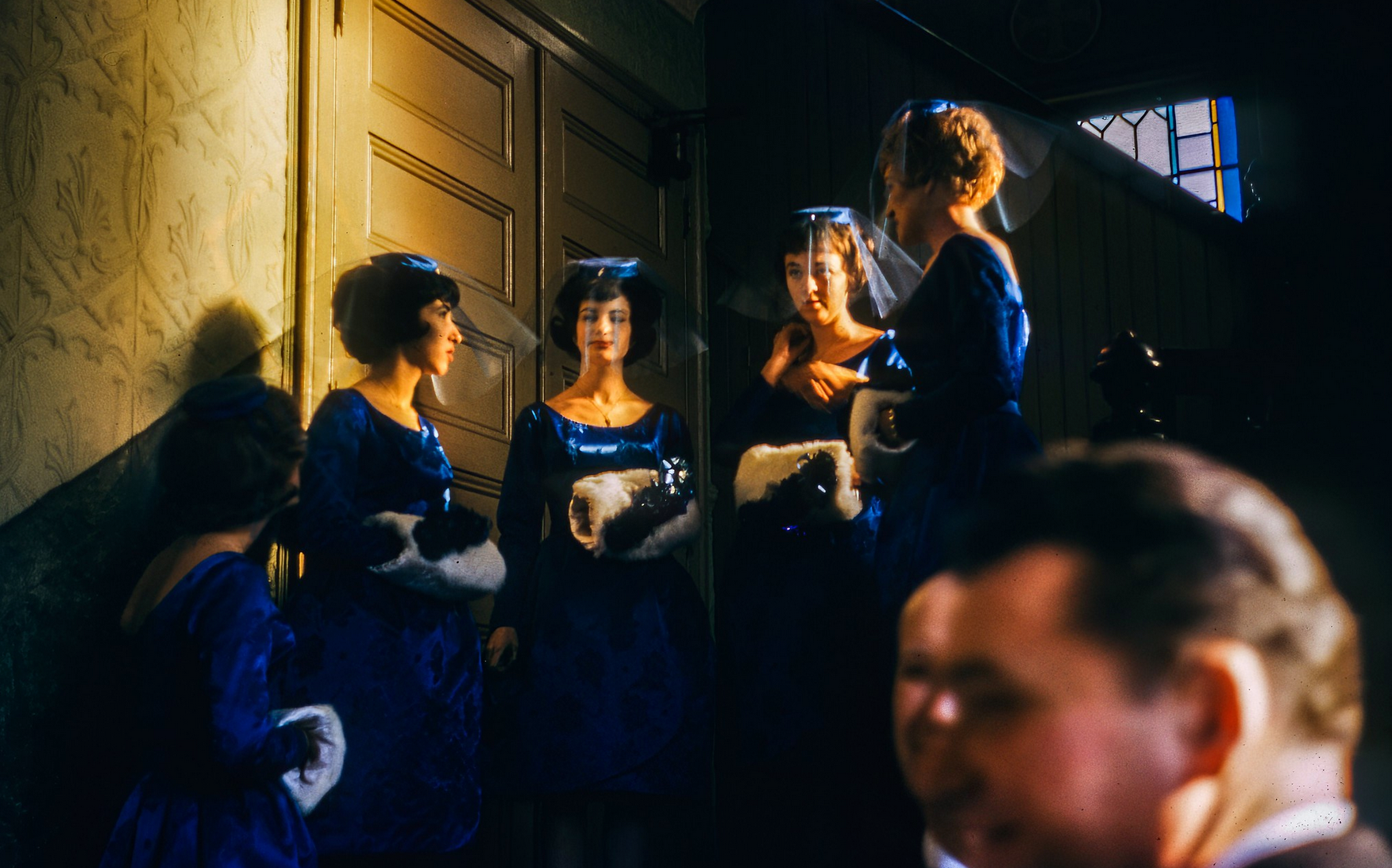
Covers can feel like an artistic cheat. Why write something new when there’s a wealth of material out there that’s already proven to be popular? But covers can be an equally exquisite creative outlet in the right artistic hands. So here we pull out some pretty fabulous covers from acts that certainly know their own way around a songwriter’s desk.
Our first song triplet reaches back to the sixties and seventies. Robert Crenshaw steps out of his brother’s shadow on his 2003 long-player Dog Days and takes on a real classic pop wonder with a cover of The Vogues 1966 hit “Five O’Clock World.” Artists as varied as Julian Cope, The Proclaimers and Bowling for Soup have taken a stab at it but Crenshaw’s version really lands. Mark Ward’s new album Translator offers a wide range of covers but his take on Badfinger’s “Baby Blue” hits the power pop guitar and vocal marks. Sometimes artists seem to deliberately take up material pretty far flung from their usual melodic haunts. Like Mark Aaron James’ cover of ABBA’s “The Name of the Game.” This is not an easy song to knock off at karaoke. It’s got strange pacing, plenty of tempo change-ups, and a melody that curves in unusual ways. James gets the tune across in an original way.
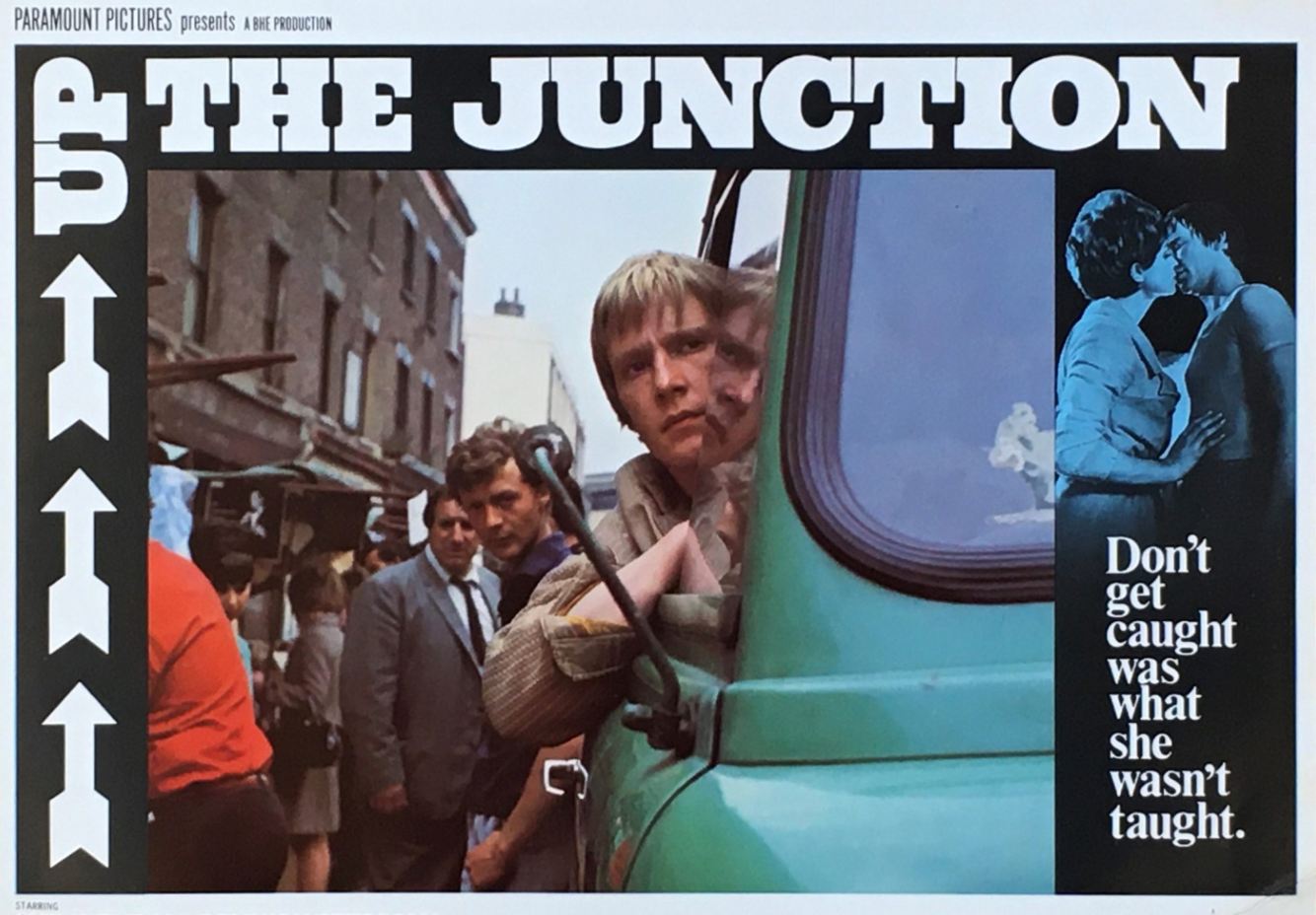
Moving toward the new wave turn of the decade capping off the 1970s The Pictures lead guy Davey Lane gives us a less English version of Squeeze’s kitchen-sink singalong “Up the Junction.” It’s got a rougher edge, slightly less winsome, perhaps more drink-along than sing-along – but good. The Dahlmanns know their Tom Petty and give us a taste on their 2024 Lucky EP. Their version of “A Thing About You” is less snarly, more power poppy, and utterly delightful. By contrast, Canadian Jeremy Fisher deconstructs The Cars super-hit “My Best Friend’s Girl,” adding mischief, some pipe solos, and background vocals with just enough cheese to be enjoyably ironic.
Arriving in the 1980s The Extensions reinvent the Simple Minds’ iconic movie tune “Don’t You (Forget About Me).” They seem to slow things down, lower the angst level, but dial into the song’s sincere heart. Lisa Mychols likes to collaborate and her new vehicle is The High Frequencies. Catch their magnetic cover of David Bowie’s “Modern Love.” It’s another song that sounds so easy to do but needs a certain kind of energy to really come together – this band does it justice. Another artist that is hard to cover is Aimee Mann. Her work is just so her that it’s hard to imagine other possible versions. But Marti Jones, another artist with a distinctive vocal approach, pulls it off on her cover of Mann’s “Put Me on Top” from her 1993 solo debut Whatever.
Wrapping up this covers extravaganza is an elegant re-make of Elliott Smith’s “Waltz #2 (XO)” from the ever so piano-delightful Sofa City Sweetheart. The accompaniment is spare, just piano and Juan Antonio Lopez’s aching vocals.
Photo ‘Found Kodachrome Slide’ courtesy Thomas Hawk Flikr collection.
 Surely there must be a bit of friendly rivalry amongst all great songwriting teams? We know Lennon and McCartney kept each other sharp throughout the 1960s with their competitive, constantly outward-reaching creativity. But the dynamic within a host of other teams is much less clear. Chris Difford and Glenn Tilbrook are the much-lauded songwriters responsible for 15 albums of original material with Squeeze. Do they have a sense of competition in their writing? In our Finn versus Finn
 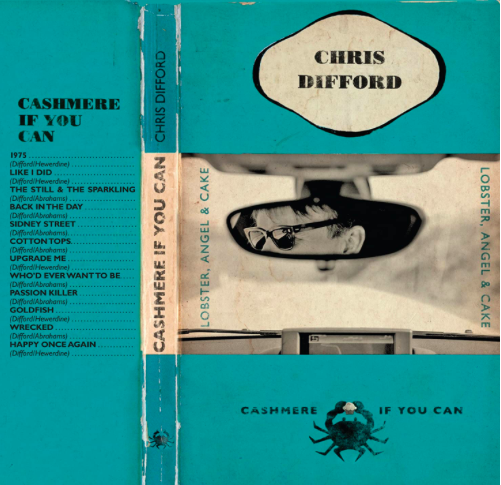 I must say at the outset that I was a bit worried about Chris Difford’s ability to compete here. Let’s face it, it’s the tunes people hum in the shower. The lyrics? Well I don’t think anyone just recites them as poetry. As the guy on the lyrical side of Squeeze’s songwriting, a lot would ride on whether he could drum up melodies as catchy and memorable as those we’ve become accustomed to from Glenn Tilbrook. Well, I’m happy to report that Difford rallied some clever tunesmiths to his cause. He even handles both music and lyrics on his 2003 debut I Didn’t Get Where I Am, which builds on the jazzy and country pop elements apparent on the 1984 Difford and Tilbrook non-Squeeze album with tracks like “Tightrope” and “Playing with Electric Trains.” By 2008 The Last Temptation of Chris put the sound back on more Squeeze-ish poprock footing. This time songwriting with former Bible frontman Boo Hewerdine, the familiar kitchen sink themes are here on “Broken Family,” “On My Own I’m Never Bored” and “Fat as a Fiddle.” By 2011 Difford is vibing glam pretty seriously on “1975” from the cleverly titled Cashmere If You Can. Personally, I love the rollicking feel of “Back in the Day” on this record and Penguin Books-inspired album artwork. 2018’s Pants goes all music hall, a bit reminiscent of the Cool for Cats sound on songs like “Round the Houses” and “Vauxhall Diva.”
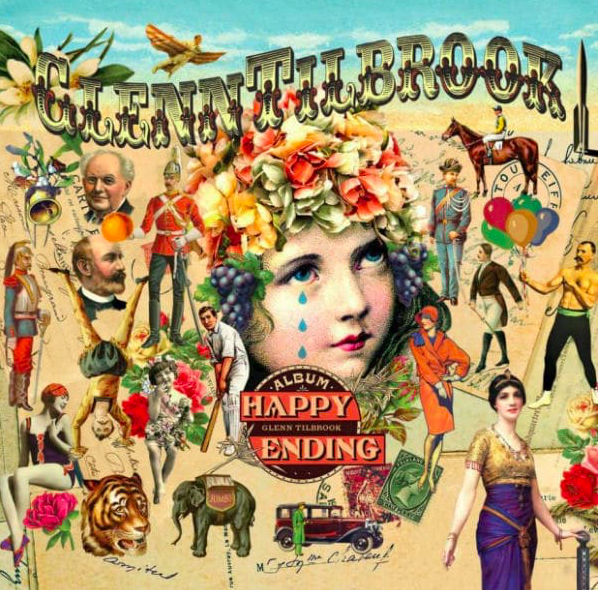 Tilbrook got the solo games going first with his 2001 album The Incomplete Glenn Tilbrook and it’s arguably the most Squeeze-like release from the duo working separately. With songwriting contributions from the likes of Aimee Mann and Ron Sexsmith perhaps that’s not surprising (though 9 of the 15 cuts are solo Tilbrook numbers). The Mann/Tilbrook cut “Observatory” is a killer, definitely hit single material. Though I’m also partial to “Parallel World,” “Morning,” and “I Won’t See You.” Three years later 2004’s Transatlantic Ping Pong kept the Squeeze vibe alive on hooky numbers like “Untouchable” and “Neptune,” adding some Nashville comedy on “Genitalia of the Fool” and a catchy instrumental with “One for the Road.” The 2008 Binga Bong EP and 2009 Pandemonium Ensued are credited to Glenn Tilbrook and the Fluffers but they don’t shift from the solo formula too much as evident on cuts like “Once Upon a Long Ago” and “Relentless Pursuit.” Tilbrook’s last solo album is 2014’s spectacular Happy Endings. The songwriting is strong and the delivery is charming, strongly acoustic with lovely vocal flourishes on the catchy should-be singles “Everybody Sometimes” and “Peter.” The artwork is pretty cool too.
 Linus of Hollywood, stage name for Los Angeles musical polymath Kevin Dotson, has distilled a unique blend of 1960s/1970s influenced poprock on his four albums and various singles since 1999. And he has a voice that is often a dead ringer for Squeeze frontman Glen Tilbrook. The album catalogue might look a bit thin, but that’s just because he’s in such constant demand to do music for television and movies and produce and write songs for other people’s records to pay the bills. But what he has managed to put out is quality stuff, fully deserving of stratospheric success.
 All that went before was enjoyable but 2014’s Something Good takes Linus of Hollywood’s performance to a new level. As
  Poprock Record