
Tags
101 Part Time Jobs, Amelia Street, Chris Catalyst, Chris Difford, Cool for Cats, Davey Lane, Dodgy Accent, Glenn Tilbrook, Lawnmower Deth, Lily Allen, Particular People, Renee Cologne, Squeeze, The Capitalist Kids, The Hotrats, The Lathums, They Might Be Giants, Up the Junction
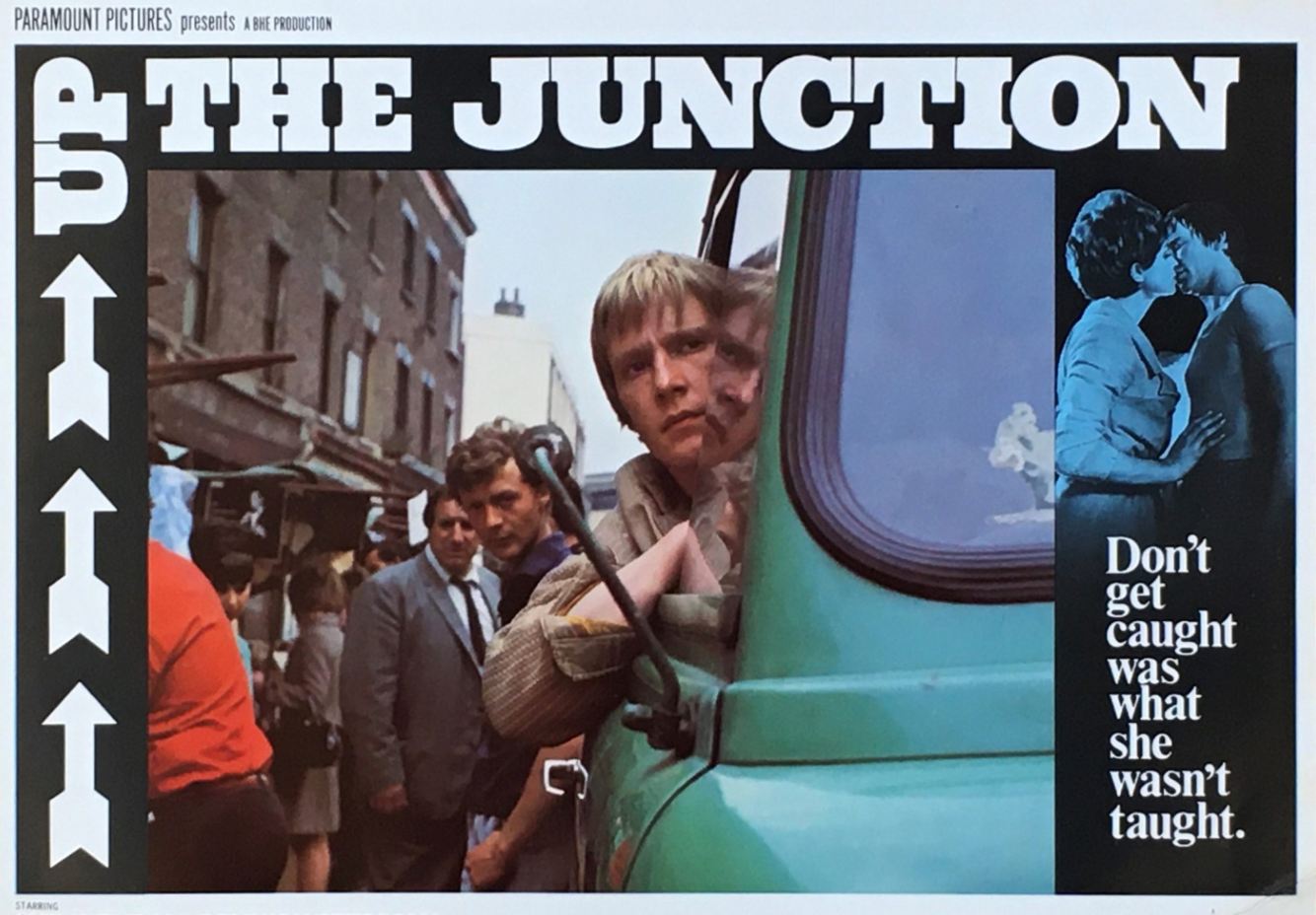
Unlike the Beatles (to whom they are often compared) Squeeze has not seen its catalogue widely covered by other bands. I think that has to do with the fact that there’s something so idiosyncratically Squeeze about the compositions and their performances. And if there ever was a cut that seemed especially uncoverable it might be their south London lament “Up the Junction.” Taking its name from Ken Loach’s 1968 film adaptation of Neil Dunn’s novel, the song gives voice to a distinctively English working class cultural representation – the kitchen sink drama. I’ve always found the song more than a bit melancholy, starting with the narrator’s surprise that he got the girl (‘I never thought it would happen with me and the girl from Clapham’) but ending up with him on his own (‘alone here in the kitchen’). Still, the song and its story are clearly engaging, as confirmed by its rise to #2 on the UK charts in 1979. The video features the band playing in front of a literal kitchen sink.
Covers of “Up the Junction” were rare until the new millennium. I’m telling you, nobody thought it would be possible to divorce the song from the Squeeze’s distinctive performance of it. But over time the rules of coverage have appeared to change, allowing public appetites to drift in wholly new directions. Lawnmower Deth’s early 1993 cover gave the tune a pop punk blast, which suited the song’s repetitive verse-heavy structure. From there we wait until 2006 for two covers that share a working class performative style. In some ways Lily Allen was always going to be an obvious choice to cover the song, given her London background and strongly accented singing style. Then there’s Chris DIfford’s countrified solo version of the song from his South East Side Story album, with able vocal accompaniment from Dorie Jackson.
Things definitely get more creative into the next decade. In 2010 The Hotrats offer up an ethereal rumination on the tune. Then the legendary They Might Be Giants inject their own idiosyncratic energy into the song, complete with accordions. The Capitalist Kids’ 2013 version rocks things up a bit more that we have come to expect with this song, amps cranked. But if you looking for something really different check out Renee Cologne’s very contemporary sounding 2019 version from her Coverlings album. It puts the song in a very different musical register.
As lockdown kicked in 2020 would become the year of covers album and it seemed a lot of people had time on their hands to discover Squeeze. Typical was Amelia Street’s lovely intimate duo acoustic guitar take. But Particular People’s more rock and roll treatment also works. Dodgy Accent lightens the mood of the song with uncharacteristic instrument choices. The Lathums breathe some youth back into the song with their sweet cover on The Chris Evans Breakfast Show in 2021. 101 Part Time Jobs don’t so much cover as deconstruct and mumble a 15 second crib of the song which somehow still has its own charms.
Our most recent versions return to more familiar rock and roll territory. Chris Catalyst’s 2024 take adds some grandeur, depth and occasional menace to a track that typically lacks all three, with guitars prominent in the mix. In many way Davey Lane’s version from the same year returns to the guitar-centric feel of the original. Last word here goes to songwriters Glenn Tilbrook and Chris Difford performing a duo acoustic version of the song at the Glastonbury Festival accompanied by a marching band kazoo chorus near the end. Fitting really.
Squeeze continue to put our new music. You can follow their adventures on their website and various social media accounts.
Photo: Up the Junction movie card.
 Surely there must be a bit of friendly rivalry amongst all great songwriting teams? We know Lennon and McCartney kept each other sharp throughout the 1960s with their competitive, constantly outward-reaching creativity. But the dynamic within a host of other teams is much less clear. Chris Difford and Glenn Tilbrook are the much-lauded songwriters responsible for 15 albums of original material with Squeeze. Do they have a sense of competition in their writing? In our Finn versus Finn
 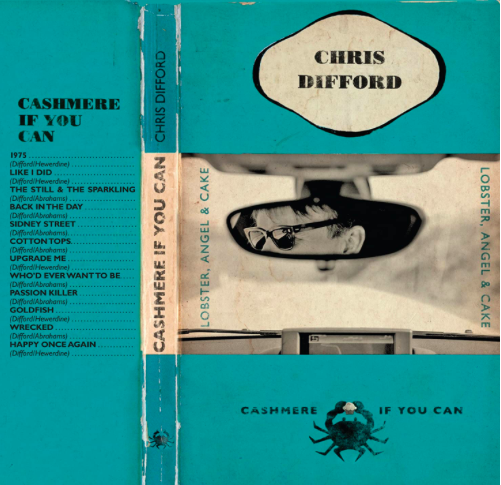 I must say at the outset that I was a bit worried about Chris Difford’s ability to compete here. Let’s face it, it’s the tunes people hum in the shower. The lyrics? Well I don’t think anyone just recites them as poetry. As the guy on the lyrical side of Squeeze’s songwriting, a lot would ride on whether he could drum up melodies as catchy and memorable as those we’ve become accustomed to from Glenn Tilbrook. Well, I’m happy to report that Difford rallied some clever tunesmiths to his cause. He even handles both music and lyrics on his 2003 debut I Didn’t Get Where I Am, which builds on the jazzy and country pop elements apparent on the 1984 Difford and Tilbrook non-Squeeze album with tracks like “Tightrope” and “Playing with Electric Trains.” By 2008 The Last Temptation of Chris put the sound back on more Squeeze-ish poprock footing. This time songwriting with former Bible frontman Boo Hewerdine, the familiar kitchen sink themes are here on “Broken Family,” “On My Own I’m Never Bored” and “Fat as a Fiddle.” By 2011 Difford is vibing glam pretty seriously on “1975” from the cleverly titled Cashmere If You Can. Personally, I love the rollicking feel of “Back in the Day” on this record and Penguin Books-inspired album artwork. 2018’s Pants goes all music hall, a bit reminiscent of the Cool for Cats sound on songs like “Round the Houses” and “Vauxhall Diva.”
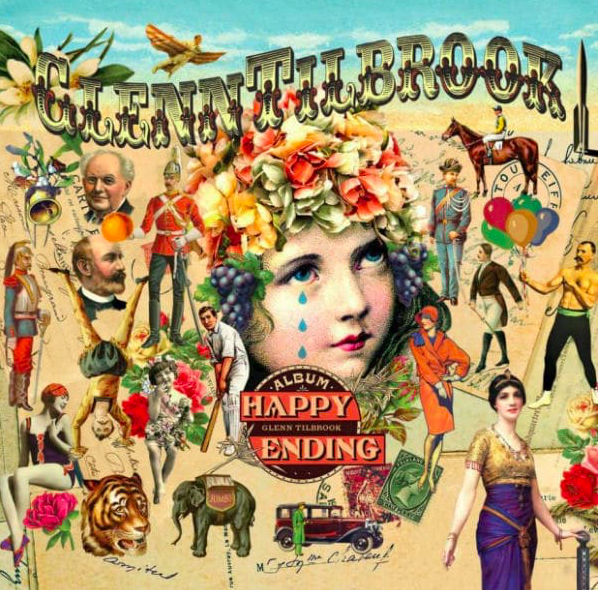 Tilbrook got the solo games going first with his 2001 album The Incomplete Glenn Tilbrook and it’s arguably the most Squeeze-like release from the duo working separately. With songwriting contributions from the likes of Aimee Mann and Ron Sexsmith perhaps that’s not surprising (though 9 of the 15 cuts are solo Tilbrook numbers). The Mann/Tilbrook cut “Observatory” is a killer, definitely hit single material. Though I’m also partial to “Parallel World,” “Morning,” and “I Won’t See You.” Three years later 2004’s Transatlantic Ping Pong kept the Squeeze vibe alive on hooky numbers like “Untouchable” and “Neptune,” adding some Nashville comedy on “Genitalia of the Fool” and a catchy instrumental with “One for the Road.” The 2008 Binga Bong EP and 2009 Pandemonium Ensued are credited to Glenn Tilbrook and the Fluffers but they don’t shift from the solo formula too much as evident on cuts like “Once Upon a Long Ago” and “Relentless Pursuit.” Tilbrook’s last solo album is 2014’s spectacular Happy Endings. The songwriting is strong and the delivery is charming, strongly acoustic with lovely vocal flourishes on the catchy should-be singles “Everybody Sometimes” and “Peter.” The artwork is pretty cool too.
 Poprock Record