Nick Frater certainly keeps himself busy. In the summer he launched an ambitious video and audio project 59 Vignettes, an endeavor that reminded me of John Dos Passos’ USA Trilogy in its effort to recalibrate fiction along emerging cinematic lines. Few of the contributions here exceed one minute and the accompany videos highlight the fragmentary, impressionistic feel of the pieces. There are a few more fully formedl song sketches on the record, tracks like “Number Name Unknown” and “In Another Song.” Some vibe McCartney on “Pay You Next Time” or even the Rolling Stones on “Fading Stones.” Other efforts are more experimental, like “Chiff Intermission” and “The Pelican Song (Wow and Flutter version).” Then there’s some fairly straightforward poprock numbers, like “Under Hogarth Skies.” But, given what came later, 59 Vignettes was clearly just a bit of fun, a diversion before Frater dropped his 2020 album proper.
On his more conventional record release for 2020 Fast & Loose, Frater lets his 1970s pop sensibility fly in grand style. The opening title track is practically a love letter to those 1970s TV themes. Then he kicks in with “Let’s Hear it for Love,” an anthem for our times that draws from a decidedly early 1980s ABBA vibe. Shifting gears, I love how the organ shots on “Luna” propels that song along. From there Frater showcases his talent for 1970s motifs with a bit of McCartney on “Cocaine Girls, some ELO on “So Now We’re Here” (with that great organ solo), and a spot-on 1970s pop feel to “California Waits.” But there are a few surprises, like the older ballroom sound on songs like “Endless Summertime Blues” and “That Ship Has Sailed.”
It’s always a splendid outing with Nick Frater. From the design, to the production, to the solid songwriting the results are routinely both eye and ear-catching, stylish and substantive. Mosey over the Frater-ville and you won’t miss a thing.
Nick Lowe definitely likes having a crew to hang with. His many solo records often feature the same names popping up again and again, some from former bands like Brinsley Schwarz and Rockpile, or just people he’s picked up along the way like Paul Carrack and Bill Kirchen. Now if only we could bring them all together in a huge Nick Lowe ‘abominable showmen’ revue … What a show that would be! Well, given the present pandemic state-of-the-world and myriad contractual conflicts and obligations that such an undertaking might bring up, my dream show seems unlikely. But nothing is stopping us from showcasing all that talent right here.
We kick off the show with Nick, of course. He’s got a fantastic new single, a cover of Garnet Mimms and the Enchanters’ 1963 tune, “A Quiet Place.” It’s another example of Nick’s amazing ability to breathe new life into rare oldies, backed once again by his recent stellar backers, Los Straightjackets. Compared to the original, Nick takes the song out of its original Sam Cooke-soul register, pushing a more Arthur Alexander country-soul feel. It’s a delightfully mellow and melodic rendition, highlighting Lowe’s masterly of the ‘roll’ side of rock and roll.
Career-wise, it’s clear that Nick’s a joiner. He’d just got a look in on the pop psychedelia of Kippington Lodge and wrote their only decent single of original material, “I Can See Her Face,” before the band morphed into Brinsley Schwarz. Fairly quickly, Lowe became their main singer and songwriter. But listen to their cover of The Hollies “Now’s the Time” from 1974’s New Favourites of Brinsely Schwarz to hear him working closely on the vocals with Ian Gomm, the band’s other main singer/songwriter (who famously cowrote Nick’s biggest solo hit, “Cruel to be Kind”). Nick’s next band was Rockpile, a group that recorded either one or six albums, depending on how you count them. Basically, contractual difficulties meant that most ‘Rockpile’ albums were credited to either Lowe or Dave Edmunds as solo artists with only 1980’s Seconds of Pleasure an official release. From the 1976 Edmunds release Get It Nick and Dave nail an updated 1960s-meets-new wave sound on “Here Comes the Weekend,” a song they co-wrote. Nick’s last stab at joining a group involved John Hiatt and Ry Cooder in the ill-fated Little Village project. The high hopes for a band with this combined talent failed to materialize, record-sales-wise. Too bad – Nick’s “Take Another Look” definitely showcases the band’s considerable talents.
Kippington Lodge – I Can See Her FaceBrinsley Schwarz – Now’s The Time
Little Village – Take Another Look
Outside of joining bands, Nick loves duets and guest appearances. He’s played on countless records by other people and they’ve returned the favour. He produced, performed on, and co-wrote a number of songs for Paul Carrack’s super solo album, Suburban Voodoo and Paul appeared in Nick’s backing band throughout most of the 1980s. I love their duet on “Wish You Were Here” from Nick’s 1983 record The Abominable Showman. Another artist Nick has spent a lot of time with over the years is Elvis Costello, producing his first five albums and one more later on. The two do a lovely cover of The Shirelles/Beatles song “Baby It’s You.” Old Brinsley Schwarz friends like guitar player Martin Belmont also reappear on Nick’s solo records. In return, Nick does the vocals on a somewhat different version of “A Man in Love” (a song from Nick’s 2007 At My Age record) on Belmont’s 2009 album, The Guest List. And then there’s people like Bill Kirchen, former member of Commander Cody and the Lost Planet Airmen and early Americana performer. His collaborations with Nick stretch from the 1970s to the present. “Shelly’s Winter Love” is a trio performance featuring Kirchen, Lowe and Carrack on vocals. The title sounds like classic Nick wordplay but it’s actually a cover of a Merle Haggard song from 1971.
Nick Lowe and Elvis Costello – Baby It’s YouMartin Belmont and Nick Lowe – A Man in LoveBill Kirchen, Nick Lowe and Paul Carrack – Shelly’s Winter Love
Our show will need opening acts, of course, and here’s a chance to showcase artists that may not have worked with Nick officially but have either joined him live or delivered great covers of his songs. Two Nick Lowe tribute albums give us some direction here. Christie McWilson and Rick Shea offer up a lovely country-fied performance of “Never Been in Love” from 2005’s Lowe Profile: A Tribute to Nick Lowe while Ron Sexsmith puts his distinctive stamp on “Where’s My Everything” from the 2012 collection, Lowe Country: The Songs of Nick Lowe. Of course, if we’re aiming big, we could try to get Wilco to show with their 2011 take on Nick’s “I Love My Label.” More recently Esther Rose offers up an inspired reworking of one of Nick’s more recent songs, “Blue on Blue” from his 2019 EP Love Starvation/Trombone. Of course, if such an event as this could be pulled off the most appropriate opening act would be Los Straightjackets. Their 2017 album of guitar instrumental versions of choice cuts from Lowe’s catalogue, (What’s So Funny About) Peace, Love and Understanding, is outa-sight.
Christie McWilson and Rick Shea – Never Been in LoveRon Sexsmith – Where’s My EverythingEsther Rose – Blue on Blue
Los Straightjackets – (What’s So Funny About) Peace, Love and Understanding
I got to see Nick Lowe live in each of the past three decades, on the Impossible Bird tour, playing solo with Geraint Watkins, and more recently with Los Straightjackets, and every time was special. My ‘abominable showmen’ review is unlikely to ever ‘tread the boards’ as Nick might say, but I’ll always have the records and the memories of those great shows. In the meantime, visit the above mentioned artists and don’t forget to drop in on Nick too.
Elvis Costello’s 31st album will undoubtedly divide fans. If you liked the more somber mood of Imperial Bedroom, The Juliet Letters, Painted From Memory, and North then Hey Clockface is probably going to work for you. Fans of Elvis’ rockier material do get a look in here on “No Flag,” a driving vamp not unlike “Tokyo Storm Warning” but with a few more melodic twists. But that’s about it. The rest of Hey Clockface is a cross between a jazzy beat poet-like spoken word slam (“Revolution #49,” “Radio is Everything,” and “Hetty O’Hara Confidential”) and a master-class in delicate songwriting craft and performance. As reader David Blumenstein cleverly quipped, the record is more ‘Eclectic Costello than Elvis.’
Most of the tunes here effortlessly conjure up a scene. “I Do (Zula’s Song)” sounds like a noir novel reads, with horns that transport you to some foggy late-night street scene somewhere. The once angry young man is now a master of the light touch, hanging clever lyrics over a very spare approach to instrumentation on lovely tracks like “What Is It That I Need That I Don’t Already Have?” and “They’re Not Laughing At Me Now.” But Costello really saves the best for last with the gorgeous piano ballad, “Byline.” The song is just one vivid example on this record of Costello’s still impressive vocal stylings. Listeners expecting another Armed Forces or Spike won’t find it here. But fans willing to grow with their artist will find in Hey Clockface a challenging collection of dynamic, sometimes jazzy, often tender songs and performances from an artist that now certainly warrants the appellation ‘mature.’
I Do (Zula’s Song)They’re Not Laughing At Me NowByline
It’s not hard to find Elvis Costello. Hey Clockface is a chance to get reacquainted with a master who’s still got game.
The sudden death of The Outfield bassist/vocalist Tony Lewis recently had me pulling my vinyl copy the band’s 1985 debut Play Deep for renewed turntable attention. Man, I loved that album, particularly the record’s first single and opening cut, “Say It Isn’t So.” Despite a rather heavy-handed 1980s production sound, the LP is eminently listenable, chock full of hooky poprock tunes. To read the media notices of Lewis’ passing you might think the band only had one hit, their lone US top ten single, “Your Love.” But over the course of seven albums they actually hit the charts numerous times, though arguably never with the same impact of that first release. Today I’m playing The Outfield to highlight some overlooked deep cuts and worthwhile alternative versions of their hits.
Let’s start at the beginning with a recently released album of early demos named after an early incarnation of the band, The Baseball Boys: Early Demos and Rare Tracks. The recordings here feature a more straight ahead, less bombastic version of the band, shorn of most of those 1980s production tricks that can make the era’s records sound so dated. Check out the fresh sound on this version of “Say It Isn’t So” or the jangle on “Looking for a Girl” or the indie vibe on “Don’t Tell Me.” Not only do these recordings show the band as great players but they demonstrate how any band can go in multiple directions, depending on circumstances, fashion and luck.
Say It Isn’t So (early version)Looking for a GirlDon’t Tell Me
If people know The Outfield, they probably know Play Deep. As the rest of the catalogue remains a mystery to most fans, let alone the occasional listener, let’s focus there. From the band’s second album 1987’s Bangin’ I like the spare airiness of “Better Than Nothing.” 1989 brought Voices of Babylon with its title-track single but I’m more drawn to the straight up hooks of “My Paradise.” By the early 1990s the band had shifted from Columbia to MCA records but the basic poppy shimmery-guitar-plus-harmony-vocals formula stayed the same. From this period, I love “Young Love,” a song that tweaks the formula, sounding a bit like 1970s-era April Wine in hit mode. By the late 1990s the band released an album to their fan club (later released commercially) with a looser, less produced sound, apparent on great tracks like “My Girlfriend’s Girlfriend.” Two more albums followed in the new millennium, still delivering on the band’s signature sound, showcased nicely “There She Goes.”
Better Than NothingMy ParadiseYoung LoveMy Girlfriend’s GirlfriendThere She Goes
Main songwriter John Spinks died in 2014 and now with the death of lead singer Tony Lewis The Outfield’s story has definitely drawn to a close. But, as demonstrated here, there’s more to the story than a one-hit wonder. Who knows, more recordings might emerge, like this recently-released, nice acoustic version of their mega-hit “Your Love.”
Your Love (acoustic)
And, of course, you can visit The Outfield online, probably forever.
Mike Viola has a new album coming out in early December but we can’t wait for that. What with a spooky seasonal event nearly upon us, how can we not draw attention to Viola’s wonderfully creepy melodic side. Now I’m taking some liberties here but it seems to me that Viola has a thing for monsters, particularly the biting kind. And he was a Candy Butcher, after all. As such, I’m assembling a few Viola tracks into a completely unsanctioned EP I’m calling Creepster (nicely rhymes with T Rex’s “Jeepster”).
Just look at the evidence. Viola’s new album might bear the angelic-sounding title Godmuffin but the advance single features him as a vampire lurking around California swimming pools and abandoned streets. “Drug Rug” is a slow burn earm-worm, it sneaks up and lashes out with a subtle killer hook in the chorus. Speaking of creepy, another track from the new album is just called “Creeper,” a loving tribute to his late friend Adam Schlesinger. Then there’s “Bitten and Cursed,” a single he put out in 2018. Here the protagonist has a ‘bed like a hearse’ but ‘doesn’t sleep’ because ‘tonight I’m changing’ with ‘blood on my shirt’. Not hard to paint a picture here. Even the b-side, the wonderfully guitar-ringing “It Does a Number on My Brain,” sounds pretty spooky. Then casting back to Viola’s most recent prior album The American Egypt there’s a song about “Bat Girl Panties.” No, I don’t really know what it’s about but it mentions bats and Halloween so it’s in.
Bitten and CursedIt Does a Number on my BrainBat Girl Panties
I came to Mike Viola’s work through Lurch, his 2007 poprock tour de force. I loved the McCartney-esque turns on “Stawberry Blonde” and especially the hooky “So Much Better.” Since then Viola has embarked on a series of musical adventures that have taken him a bit far from that 1960s melody-drenched sound. However, as the evidence from my rogue Viola EP Creepster demonstrates, the hookster is definitely back in town. Can’t wait for the new album!
Check out Mike Viola at his website and Facebook page. Don’t make him come looking for you.
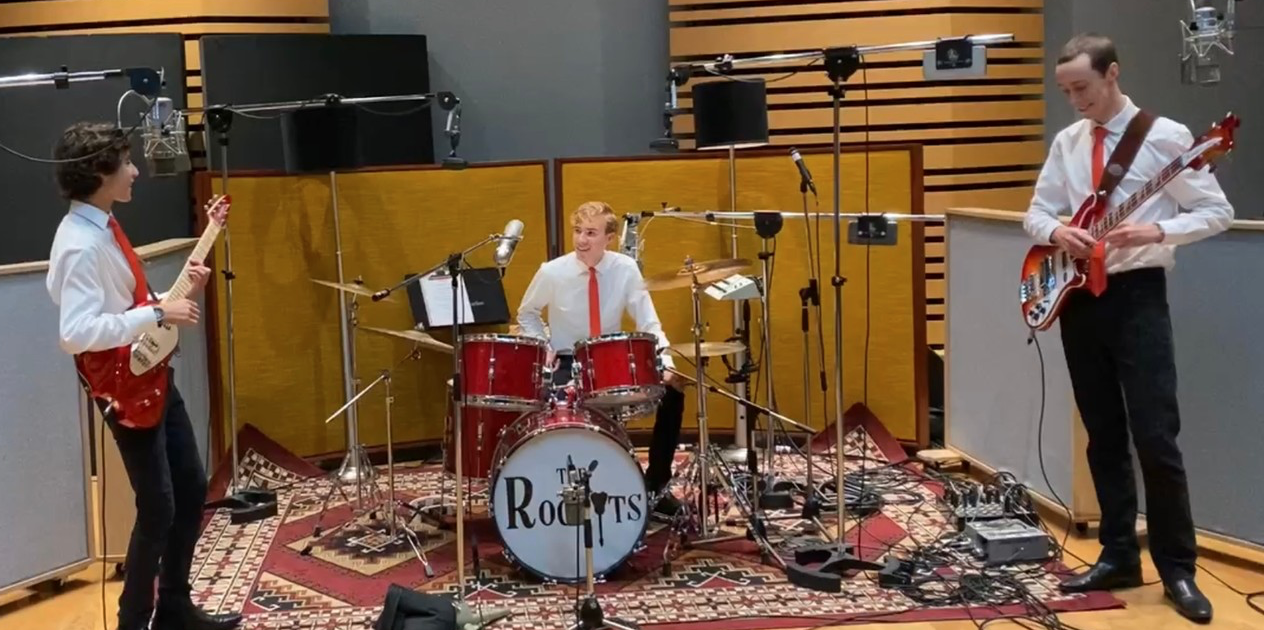
Drop the needle on The Rockyts debut album and you’d think the basic operating system for this band is The Beatles “I Saw Her Standing There.” They’ve got that early Beatles’ rock and roll rhythm down. But before long the opening cut “All of the Time” has morphed to include a distinctly American take on the Beatles that’s akin to work from the Beau Brummels and the Cyrkle. Throughout its brief 25 minutes, Come and Dance works this trans-Atlantic beat music seam brilliantly.
Forget the Barracudas 1985 album (I Wish It Could Be) 1965 Again, with The Rockyts it is 1965 again. The combination of originals and covers are so authentically mid-1960s in style and performance it hard to believe the band are barely old enough to drive. Lead songwriter Jeremy Abboud’s originals really capture the period, without sounding merely derivative. The new songs are like stumbling over some great lost singles from one of your fave artists. The covers are equally inspired, bringing a new ferocity to some past classics. And there’s a cheekiness here too. I love how the band drop a hint of “I Want to Hold Your Hand” into “I Want To Be With You” (a hooky tune that adds Buddy Holly inflections to a driving Beatles rocking beat) or a flash of “Twist and Shout” during “Come On and Dance.” And then there’s “Break My Heart Again,” a should-be hit single to my ear with its great guitar lines and fab harmony vocals.
I Want to be With YouBreak My Heart Again
It’s interesting to compare The Rockyts’ covers to the originals. Their version of the Gestures 1965 minor hit “Run Run Run” adds a bit more garage grit to the performance while their take on The Sonics “Have Love Will Travel” is smoother and more solid. Personally I think the band’s version of the Dave Clark Five’s “Can’t You See She’s Mine” adds a bit more life to the song. The covers of The Knickerbocker’s “Lies” and The Easybeats “She’s So Fine” both capture the dance fun of the tunes. All the covers are from 1965 but the Dave Clark Five single (which charted in 1964). I can’t wait to see what the band make of 1966!
Run Run Run
Come On and Dance is a driving slab of mid-1960s Beatlesque excitement. The future of the past is in good hands with these boys. Check out The Rockyts on their website and Facebook.
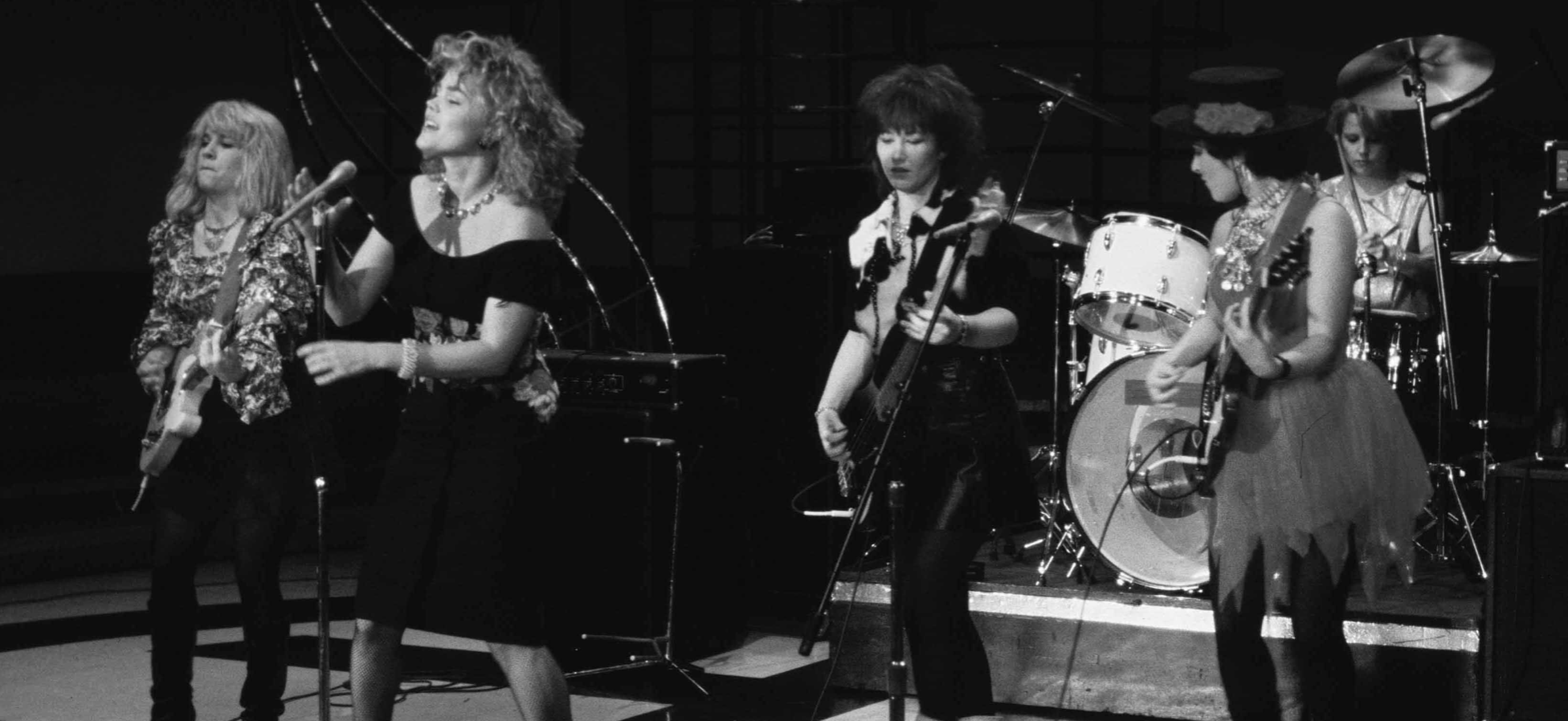
Taking apart The Go Go’s and exploring their solo work really highlights how much the band is a synthesis of their different and very talented individual musical personalities. No one is free riding here. Everybody is pulling the band’s music in a slightly different direction, which helps explain how they arrive in such a unique space creatively. It’s why The Go Go’s are an amazing band. But solo, each Go Go is pretty damn good too. In this whirlwind take on The Go Go’s going solo, we’ll eschew the hits to focus more on some special deep cuts from the various releases.
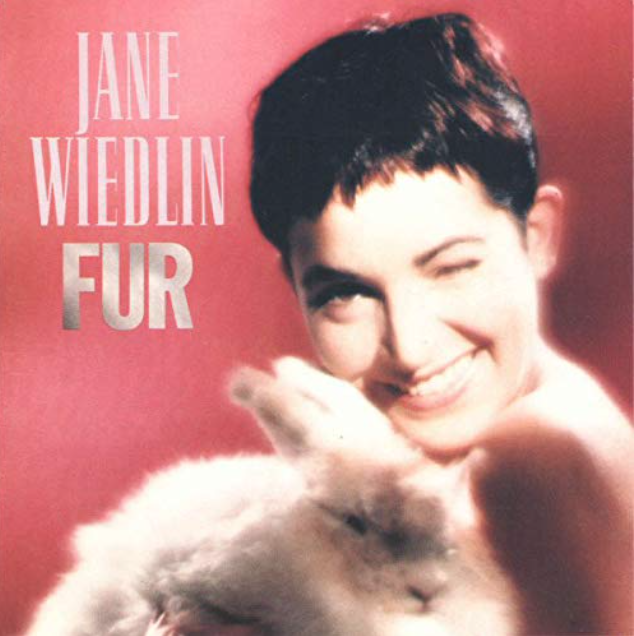
Rhythm guitarist and contributing songwriter Jane Weidlin was the first to leave the band and the first to release a solo album, both in 1985. Scanning her solo records it’s clear that Weidlin was the quirky alt and art rock influence on The Go Go’s. Think Sparks, the Talking Heads, Television – that sort of stuff. From her self-titled debut I like her cover of Wire Train’s “I Will Wait For You.” You hear a strong Kate Bush tinge to her vocals. On 1987’s Fur “Give” grabs me, probably because it’s the most Go Go’s-ish of the songs, with guitars more up front than the rest of the album’s more synthy polish. 1990’s Tangled features at least two marvelous deep cuts, the beautiful co-write with Cyndi Lauper and Richard Orange on “Paper Heart” and the wonderful jangly “Big Rock Candy Mountain” (no relation to the folk song). 1998’s Very Best of Jane Weidlin includes a lovely stripped-down version of “Our Lips Are Sealed.” Weidlin’s vocal has a brittle intimacy, revealing further nuances of a song she co-wrote with Terry Hall of The Specials.
Jane Weidlin – I Will Wait For YouJane Weidlin – Give!Jane Weidlin – Paper HeartJane Weidlin – Our Lips Are Sealed
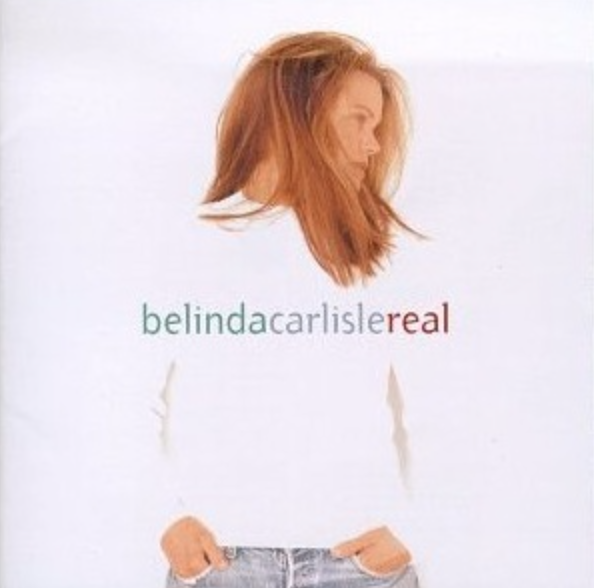
No one was really too worried about a Belinda Carlisle solo career. Band vocalists are up front and, rightly or wrongly, often seen as the star of any band. Then again, Carlisle was the only member not to contribute much in the way of songwriting. But she hit the ground running in 1986, charting numerous hits over the next decade. Carlisle’s solo career marks her as the most commercial influence on the Go Go’s. From her self-titled debut album I love the Motown-esque “I Never Wanted a Rich Man.” From her monster hit album Heaven on Earth, I’d select “Should I Let You In” with its Go Go’s guitar resonance. Then turning to her many subsequent albums I’d single out Real, a record that reunited her with Caffey as her principal songwriter. That resulted in a slew of great song performances like “Goodbye Day” and “Lay Down Your Arms.”
Belinda Carlisle – I Never Wanted to Marry a Rich ManBelinda Carlisle – Should I Let You InBelinda Carlisle – Lay Down Your Arms
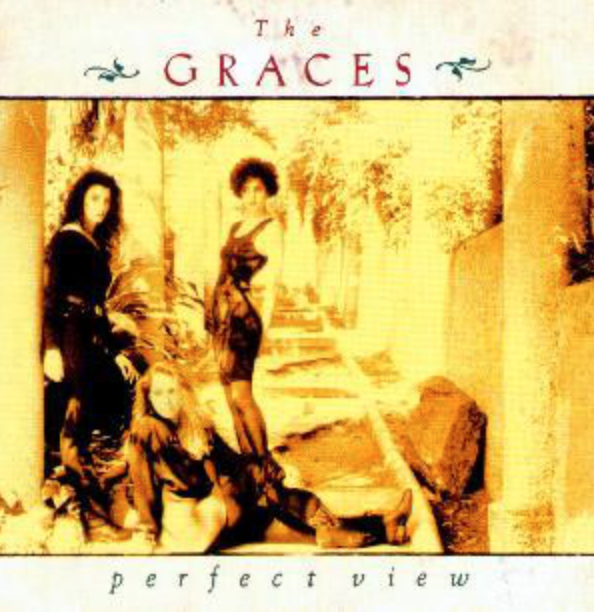
Lead guitar player Charlotte Caffey wrote the lion’s share of the Go Go’s material, which makes her slight solo releases somewhat surprising. She certainly wasn’t idle, regularly contributing material to Carlisle’s solo albums as well as other performers. Her biggest solo endeavor was as a member of the Graces whose 1989 album is possibly closest thing to a Go Go’s album from one of the band members. The 1989 LP Perfect View has two bona fide should be hits, the title track “Perfect View” and “Lay Down Your Arms.” Personally, I love the guitar rumble and vocal work on “Should I Let You In.” Given all these great contributions, an actual solo album from Caffey would have been most welcome.
The Graces – Should I Let You In
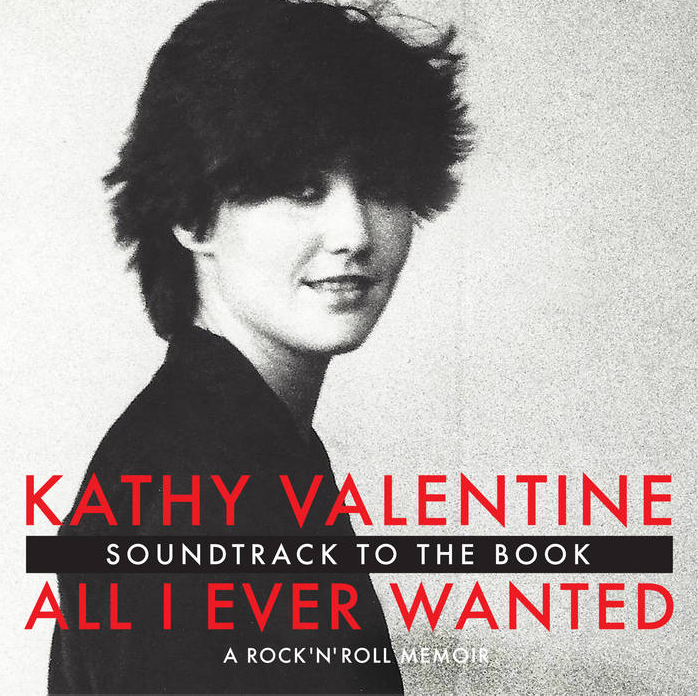
Bass player Kathy Valentine’s solo work underlines how she clearly brought an indie and roots-rock influence to the band. Her prior work to the Go Go’s with The Textones certainly illustrates this, particularly on the original version of “Vacation.” Valentine’s two post Go Go’s bands showcase her versatility with The Blue Bonnets “Don’t Pass Me By” exuding the rough charm of Chrissie Hynde’s early Pretenders work while The Delphines has a smoother melodic rock feel on tracks like “Crazy.” Her 2005 solo record Light Years had a nice spartan Go Go’s feel, particularly on songs like the Beatles-y “Getting By.” More recently Valentine has been taking her work in a more experimental direction. In 2016 she put a beat poet swagger into the single “In My Closet” while in 2020 she created a full-on book/music synthesis with the autobiography/album All I Ever Wanted: A Rock ‘n’ Roll Memoir. Check out the hooky cut-and-paste technique animating the chapter 17 song selection “Regular Format.”
The Blue Bonnets – Don’t Pass My ByKathy Valentine – Getting ByKathy Valentine – Regular Format
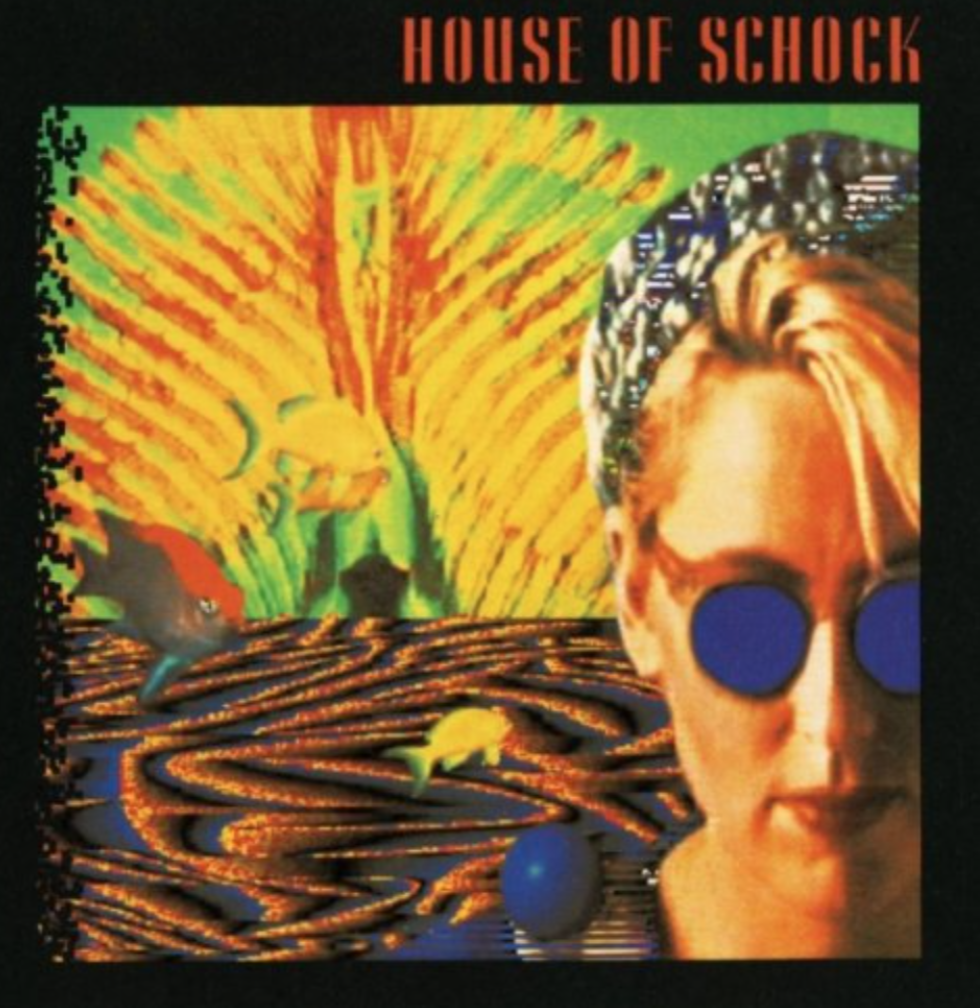
Drummer Gina Schock kept busy after the Go Go’s initial break up, playing with other bands (guesting on drums with Norwegian band a-ha, among others). People worry about drummers when a band breaks up because, typically, they’re not the songwriters or the vocal focus of the band. I mean, even Ringo’s career took a dive when the quality material from John, Paul and George dried up post-1975. But Schock impressed a lot people when her new band House of Schock released a pretty polished album in 1987. Give “Middle of Nowhere” a listen and see if you don’t hear elements of The Motels’ sophisticated style here and there. She went on to become a songwriting powerhouse for a wide variety of performers.
House of Schock – Middle of Nowhere
Checking out the Go Go’s solo work really underlines how the band functions as a team, with each member contributing something important to the mix. They’re all musicians, songwriters, singers and kick-ass live rock and roll performers. They made history as the first all-female band writing and playing their own songs. But they’ve remained popular because they’re great by any measure. Can’t wait for the new album!
Before Elvis Costello, Graham Parker and The Jam, my fave angry young man of the new wave era was Joe Jackson. Look Sharp! and I’m the Man, his first two albums from 1978 and 1979, were flawless poprock. “Is She Really Going Out With Him” was a masterpiece of his spare approach to instrumentation and arrangement. Though Jackson was primarily a pianist, these records were guitar-strong, but not in an endless 1970s guitar solo sort of way. Instead Jackson put the rhythm guitar back in charge, just as the Beatles and other sixties melodic bands had done. I segued into Jackson’s more keyboard-based work in the 1980s without missing a beat, drawn in by the distinctive emotional depth of Jackson’s work compared to the other angry young men. While Costello and Parker told you about their pain, Jackson somehow let you feel it. As a young gay man in 1982, his “Real Men,” a song tackling the contradictions of gay identity, really hit home with me. And it was pretty brave to put out the song in such a homophobic time. As a result, Night and Day (1982) and Body and Soul (1984) dominated my turntable throughout the mid-1980s. I even got to see him on the Body and Soul and Big World tours when he came to Vancouver.
But with Big World (1986) I started to drift from Joe Jackson’s orbit. I just didn’t connect with his subsequent recordings in the same way. Years passed before I realized I’d completely lost of track of his career. Sure, I dipped in now and then to see what was out but didn’t really give his new recordings a proper listen. And in retrospect, that was a mistake because every Joe Jackson record has more than a few pretty good poprock tracks, barring the classical (1987’s Will Power) and jazz (2012’s The Duke) releases which clearly had a different purpose. As I think his early hits period is pretty well known, this post will focus mostly on the post-1985 releases. I say ‘mostly’ because I can’t help offering up a few deep cut choices from the earlier recordings. There’s “Pretty Girls” and “Pretty Boys” from Look Sharp! and Beat Crazy, respectively. I always thought “On Your Radio” from I’m the Man was an overlooked should-be hit single. All of Jumpin’ Jive is pretty special but Jackson’s killer cover of Louis Armstrong’s “Is You Is or Is You Ain’t My Baby” rocks! Night and Day put the piano up front in Jackson work, to stay, and his keyboard virtuosity shines on “Cancer.” Body and Soul is known for its unusual and delightful combination of salsa with jazz on most cuts but personally I love the cinematic feel of “The Verdict,” it’s ability to swoop down from big horns to more tender quiet moments. Speaking of movies, Jackson’s made some great contributions, particularly on Mike’s Murder and Pretty in Pink.
Pretty GirlsPretty BoysOn Your Radio
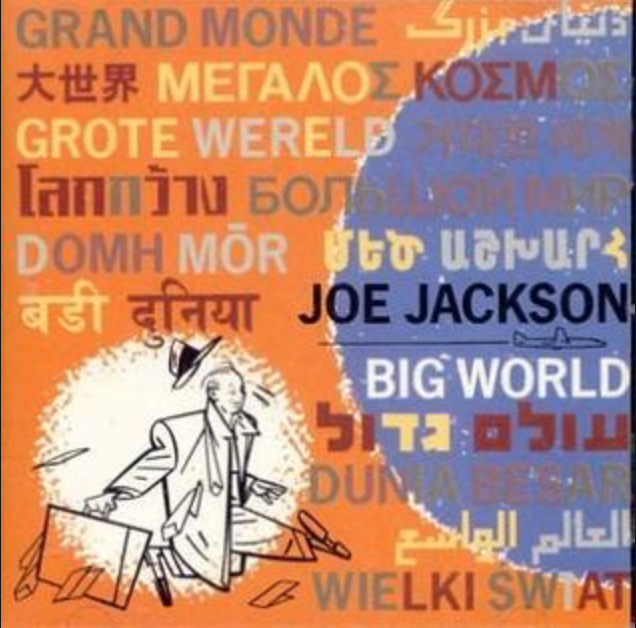
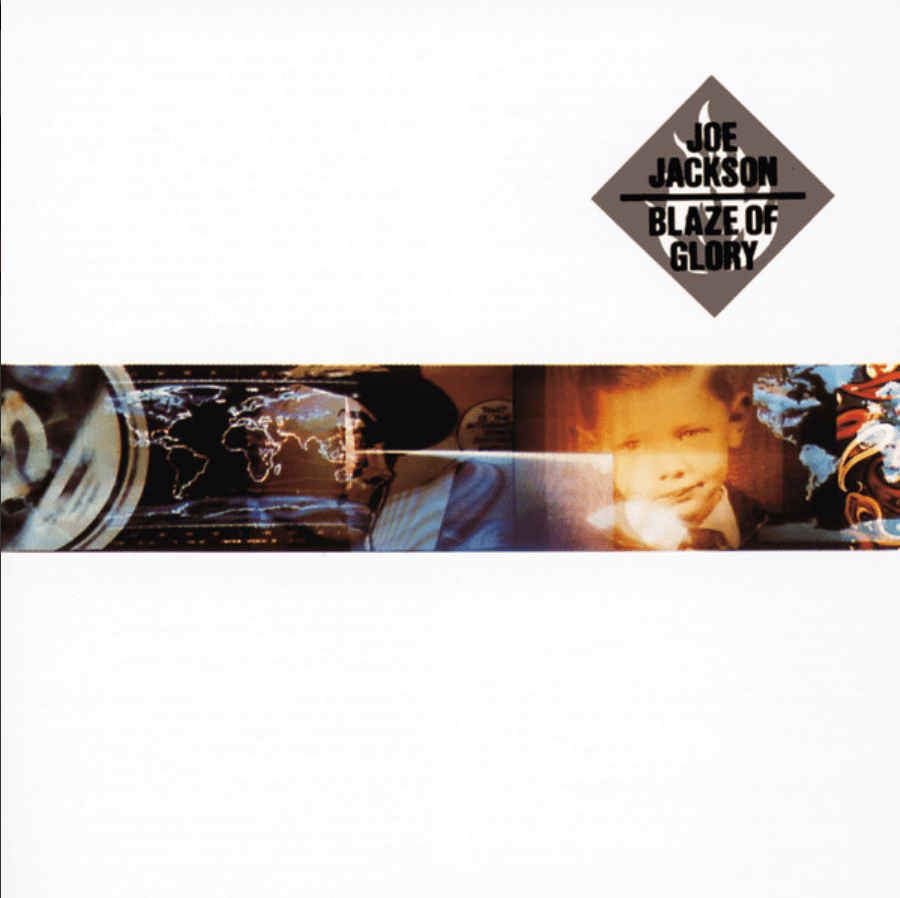
After all his previous experimentation and stylistic wandering, Big World was a return to poprock form for Jackson. Well, sort of. In another bid to do something different, he recorded the whole album live before a shushed audience! Here the standout track for me is undoubtedly “Forty Years,” a moving commentary on the uncertainty that preceded the end of the Cold War. The shifting geopolitical winds of the era animated 1989’s Blaze of Glory on tracks like “Evil Empire” but Jackson’s fascination with the emptiness of fame defined the title track and the peppy “Down to London.” 1991’s Laughter and Lust developed this further, taking aim at the shallowness of consumer-driven popular culture on “Hit Single” and “It’s All Too Much.”
Forty YearsDown to LondonHit Single
Then, in a surprise move for an artist who’d always condemned nostalgia, Jackson decided to revisit his past glories with Night and Day II in 2000 and a reunion of his early band on Volume 4 in 2003. But true to form Jackson used both as platforms for more reinvention. N&DII was darker and more collaborative that the original (including duets with Susann Deyhim and Marianne Faithful, among others), with elements of techno added to the mix. Personally I like the light and airy “Stranger Than You.” Volume 4 is the band from Jackson’s first three albums but the sound is filtered a bit through all his subsequent influences. Love the dissonant jazzy feel of “Chrome” and jangle elements all over “Still Alive.”
Still Alive
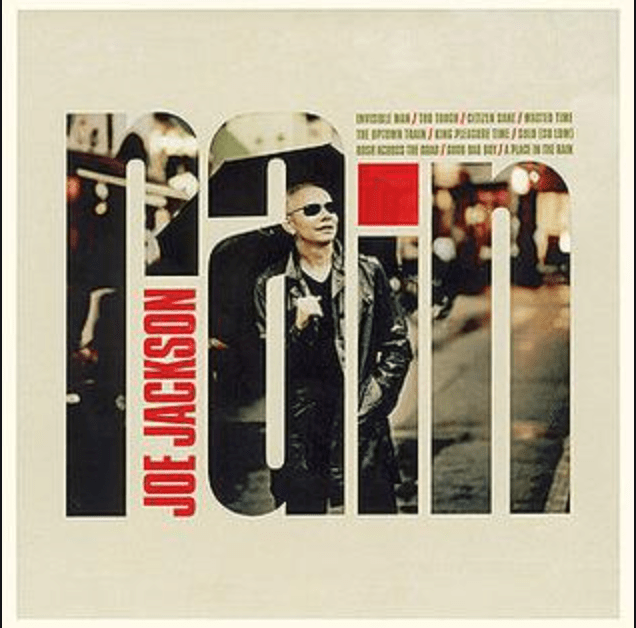
Five years later Jackson returned with the very Night and Day-ish Rain in 2008. Songs like “Invisible Man” and “Rush Across the Road” really sound like a continuation of that project while “Too Tough” pops a killer hook out of its chorus like proverbial beautiful girl out of a birthday cake. Fans then had to wait seven years for Jackson’s next poprock project, 2015’s Fast Forward, his ode to great cities like New York, Amsterdam, Berlin and New Orleans. Here I’m partial to the expansive, horn-filled “Ode to Joy.” 2019’s Fool seemed like even more familiar territory with lots of piano-led tunes and biting commentary. “32 Kisses” immediately grabbed me as classic Jackson.
Rush Across the RoadOde to Joy32 Kisses
I deeply admired the combo of hooky songwriting and sardonic commentary that typified Jackson’s early career. His inability to sit still creatively or tolerate fake sentiment and rampant commercialism was just icing on an already attractive cake. Now I can see he kept playing to those strength later on. Of particular interest to me (given my day job teaching politics) is how Jackson has consistently put his politics front and centre, unlike say Graham Parker and Elvis Costello where it tends to be a bit more oblique. And while I haven’t always agreed with Jackson’s positions (particularly defending smoking) his attention to matters of class and working class identity mark him out as a truly original and principled artist. I’m delighted to be reunited with his work.
As the musical godfather of the genre this blog is based on, giving more attention to Buddy Holly should be a priority for me. Well, it’s unofficially Buddy Holly Week (September 7-13), so there’s no time like the present! Though, as with most things blog-wise, we take it up with a twist: an exploration of the many (many!) covers of Weezer’s iconic track from the Blue Album, “Buddy Holly.” There are an enormous number of covers of this song, most sounding like pale imitations of the original. I’m passing on most of those. I’m more drawn to the quirky, offbeat, creative re-inventions of the song. After all, a band as unique as Weezer deserves to be covered in style.
First up, Weezer of course. Their video for “Buddy Holly” deservedly earned praise from all quarters when it was released in September of 1994. I love how Ritchie Cunningham has more costume changes in this video than Cher in concert. As for covers, Weezer offers many choices, including the original Rivers Cuomo demo and various ‘live in the studio’ sessions for AOL and Spotify. Personally, I prefer the live acoustic version below from some unnamed 1990s TV appearance for its loose, wonderfully shambolic feel and in your face keyboard solos and background vocals.
Weezer – Buddy Holly (live acoustic)
Something about “Buddy Holly” has inspired people to take the song in all kinds of wacky stylistic directions. It can survive just about any treatment with its charm intact precisely because the bones of the song are so strong in terms of melody and structure. Parody band Richard Cheese and Lounge Against the Machine mangle the hell out of the song with their hilarious, deep-lounge version, complete with swelling strings on the closing. Nordloef give the song a kooky computer games instrumental workout that somehow avoids being pure novelty. Possibly my favourite instrumental of the tune is Gareth Pearson’s tight Bruce Cockburn-esque acoustic guitar treatment. Move over McKinley High, Straight No Chaser offer up a Glee-worthy, menace free, candy-coated arrangement that would have aced the finals.
Straight No Chaser – Buddy Holly
Now on to more recognizably rock and roll interpretations. The Holophonics give us a Madness-ska-like take, emphasis on the horn shots. Late Cambrian mine the same alt/indie vibe as Weezer but make some refreshing substitutions on the array of instruments soloing. Austin Parish slow things down in a breathy, Greenwich Village folky style. Extra bonus: their effort is part of a remake of the entire Blue Album from Midwest’s Finest, available for free download! Grayson Gilmour highlights the subtle, somewhat vulnerable side of the song with his mostly shy, solo piano rumination.
Ok, for something completely different, there’s Glowbug’s highly original and inventive remake of the song. It’s dissonant and over the top in a wonderful club-dancey sort of way. I’m including the Soundass brief instrumental excerpt because there’s something funny about the disastrous execution. The question mark added to the song title was the give-away, like the artist wasn’t sure if his efforts really warranted consideration as a cover proper. Scott Bradlee makes his piano keys jump on this jaunty instrumental ragtime performance. Whiskey Shivers give us a banjo-inflected country-ish take with particularly sweet harmonies in the chorus, a nice fiddle solo and apropos western whistling. Jarvis gets us back to basics with a stripped-down DIY acoustic vibe, fitted with a nice spacey keyboard solo.
But my undisputed fave cover is brand new from the TM Collective’s fabulous just-released tribute to BH, simply entitled Buddy Holly. TMC regularly release these sorts of tributes, so far covering the likes of Tom Petty, Wings, Nick Lowe, and many, many others. And they are all free, featuring performances from the crème de la crème of indie poprock darlings. This time they cover 16 different Holly tunes, sometimes twice. But some joker decided Weezer’s “Buddy Holly” should be added to the mix, done with an appropriately Buddy demeanor, featuring an “Everyday”-era celesta keyboard and Hollyesque vocal hiccups. Delightful! (“Buddy Holly” is track 19 on the album – just click through to the end, but check out all the great covers of Buddy Holly songs along the way!)
Let’s end on a light note. Ever since grungers starting having kids they’ve been Yellow Submarining their fave tunes to keep the tots (and themselves) entertained. Check out these two lullaby versions of “Buddy Holly” from Rockabye Baby and the Lullaby Players, the latter even retaining some of the tune’s darker melodic elements.
Lullaby Players – Buddy Holly
Given all the love for “Buddy Holly” it’s hard to believe that Weezer almost didn’t record it. Apparently producer Ric Ocasek had to convince Cuomo to cut it during the Blue sessions, suggesting they could make the decision about releasing it later. Good thing too or I would have had to come up with some other cleverism to celebrate Buddy Holly week.
I was defenseless in the face of “Our Lips Are Sealed” and “We Got the Beat” back in 1981. It was grade 11 and it didn’t get any better for all-night dancing tune-age. I connected with the sheer joy of it all. Only later would I understand how important it was to have all female band, writing and playing their songs, zooming up the charts. But at the time the fact was that the Go Go’s were as good as poprock could get, regardless of gender. After Beauty and the Beat, “Vacation,” “Head Over Heels” and “Turn To You” would later send me back to the record store, again and again. But then, poof, they were gone.
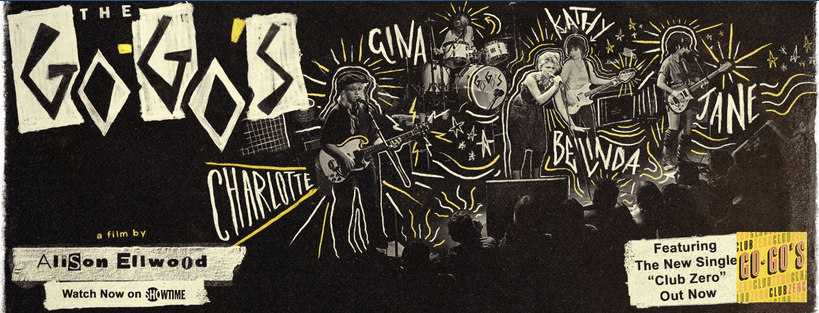
Well now the Go Go’s are back in more ways than one. Fans can check out the career-spanning documentary The Go Go’s that tracks their career from LA punks, to touring the UK with The Specials and Madness, to their breakthrough and dissolution in the US from 1981 to 1985. For those of us who lived through it, the doc is an emotional journey that tracks the highs and lows that faced women in the business that was rock and roll at that time.
But that’s not all. They’ve got a brand new single and “Club Zero” is proof the band has lost none of the magic that made them such big stars in the early 1980s. Check it out and see if you don’t agree that the Go Go’s sound is timeless.
You won’t have any trouble finding The Go Go’s website, Facebook or many fan sites. And see them in person if you can, they are a kick ass live rock and roll outfit.








 Poprock Record